



Aquarium Snails: Pest or Beneficial?
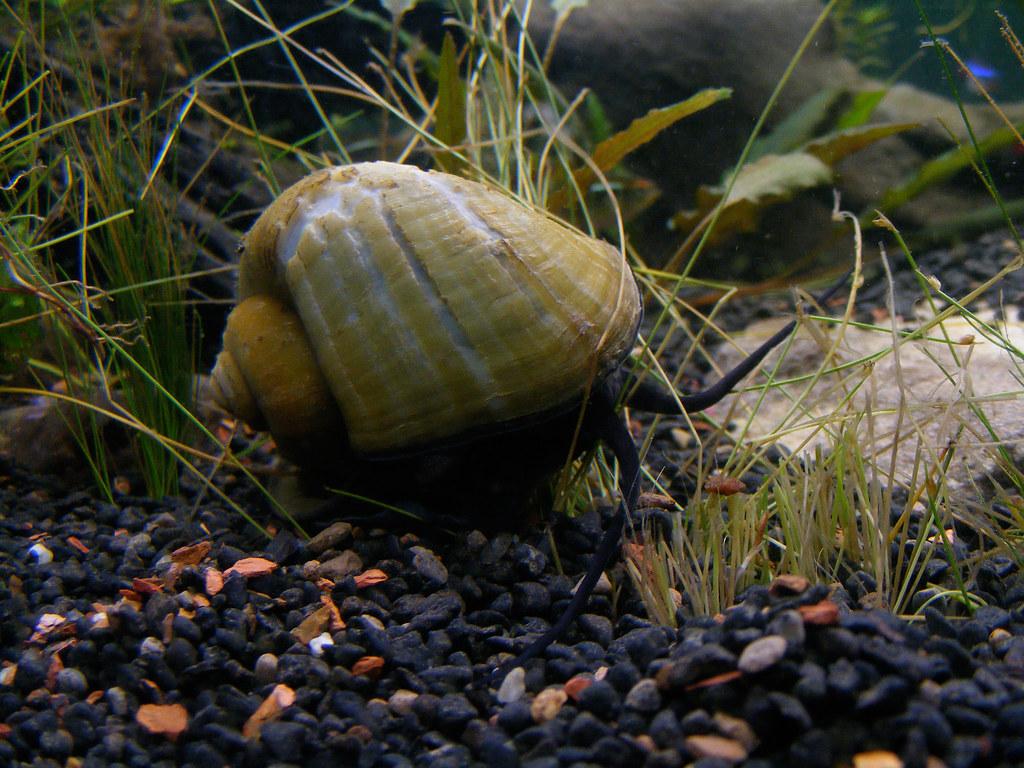
Few aquarium discoveries cause as much confusion as finding a tiny snail slowly moving across the glass. One day there are none, and a few days later you may notice several more appearing around the substrate, plants, or hardscape. For some aquarists, snails are an unwanted surprise that seems to appear out of nowhere. For others, they are a useful part of the aquarium ecosystem and can even help keep the tank cleaner.
The truth is that aquarium snails are not automatically good or bad. Different species behave differently, and their impact largely depends on the conditions inside the aquarium. Some can help consume leftover food, algae, and decaying organic matter, while others can multiply rapidly when there is an abundant food source. In a planted aquarium, maintaining stable conditions with equipment such as the CO2Art Pro-SE Series Complete Aquarium CO2 System can also help plants grow strongly and compete effectively for available resources.
Understanding why snails appear, what they eat, and how they interact with the aquarium can help you decide whether they are something to welcome or manage.
Understanding the Role of Snails in an Aquarium
When aquarists notice a sudden increase in pest snails, the first reaction is often to assume that the aquarium has a serious problem. However, their presence does not necessarily mean that something has gone wrong. Many small freshwater snails enter aquariums accidentally on live plants, decorations, substrate, or other equipment. Once introduced, they can remain hidden for some time before becoming noticeable.
Snails are natural scavengers, and many species spend their time searching for algae, leftover food, dead plant material, and other organic matter. In this way, they can perform a useful cleaning role within the aquarium. They also contribute to the breakdown of organic material, which becomes part of the wider nutrient cycle.
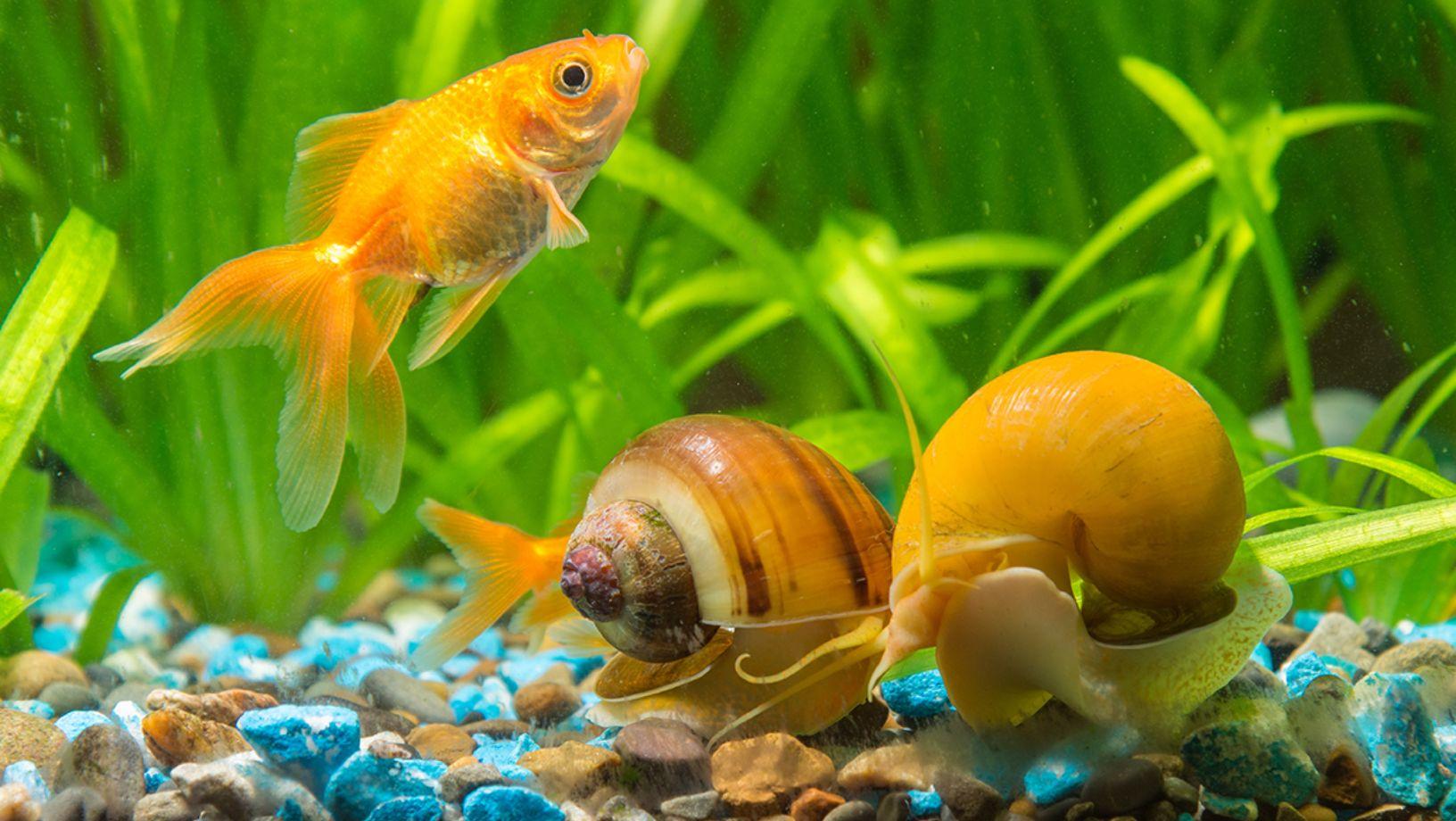
The real issue usually comes when their population grows beyond what the aquarist considers desirable. A few snails moving around the aquarium are generally very different from large numbers covering the glass every morning. A growing population often indicates that there is plenty of food available. Instead of immediately blaming the snails, it is worth looking at feeding habits, maintenance, and the amount of organic matter accumulating in the tank.
Which Snails Might Appear in Your Aquarium?
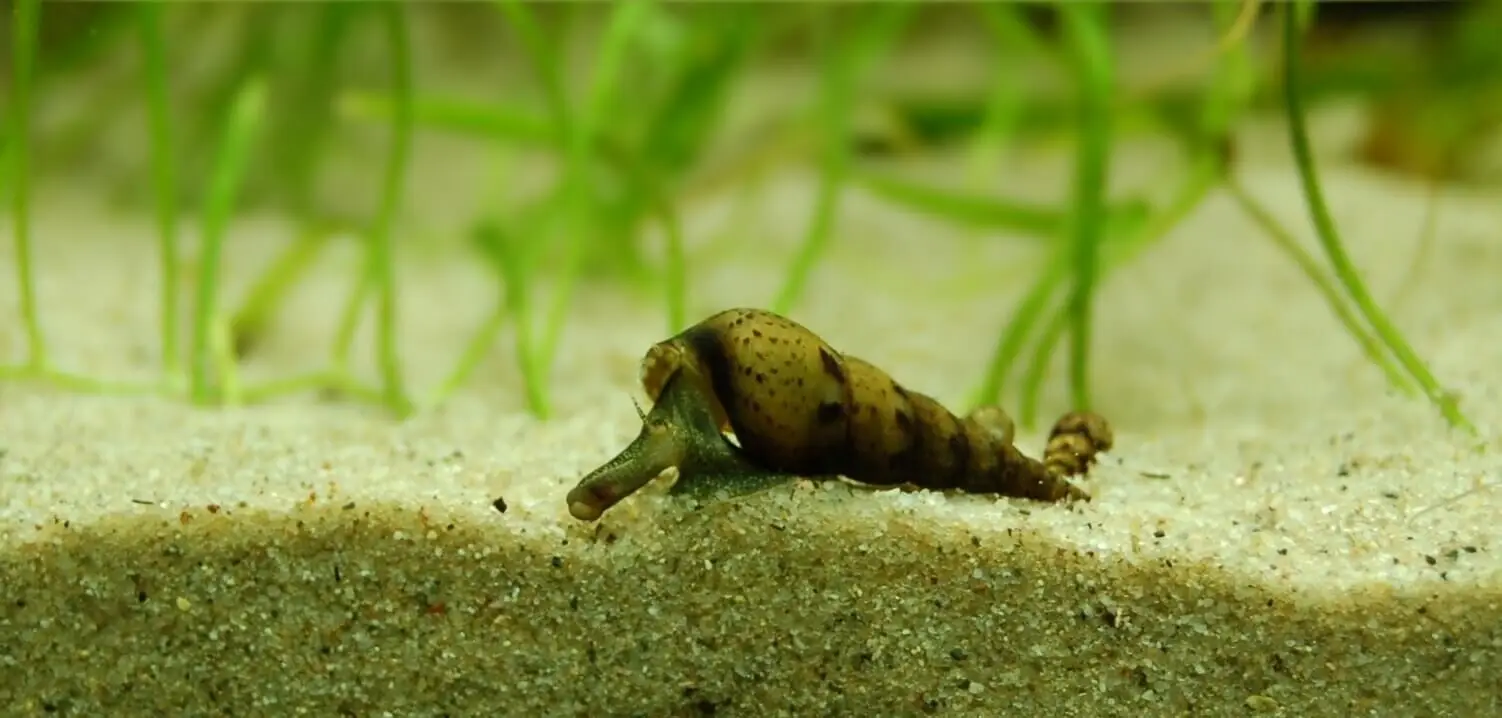
If you have ever discovered unexpected snails and wondered What are the types of pest snails in aquariums, you may be surprised by how many small species can make their way into freshwater tanks. Common hitchhikers include bladder snails, pond snails, ramshorn snails, and Malaysian trumpet snails. These species are often introduced unintentionally, particularly when aquarists add new plants.
Each type has slightly different habits. Bladder and pond snails are often seen moving across glass and plants, while ramshorn snails are easily recognised by their distinctive spiral shells. Malaysian trumpet snails spend much of their time within the substrate and may become particularly noticeable after the aquarium lights go out.
It is important not to judge a snail only by its appearance. Some species that are commonly labelled as pests can actually be useful members of a healthy aquarium ecosystem. They may consume algae, leftover food, and decomposing plant material, helping to clean up material that would otherwise remain in the tank.
Before removing every snail you see, try to identify what species you have and understand its behaviour. You may find that the unexpected visitor is not actually causing any harm.
Are Aquarium Snails Actually Harmful?
The term aquarium pest snails can make these animals sound much more dangerous than they usually are. In most freshwater aquariums, the main concern is not that these small snails will attack healthy fish or destroy a planted tank, but that their numbers can become excessive.
Most common hitchhiking snails are scavengers rather than predators. They are interested in available food and organic material rather than healthy fish or established plants. Some may graze on algae growing on leaves, glass, rocks, and decorations, while others search through the substrate for food particles.
Large populations can nevertheless become visually unattractive, especially when snails cover the aquarium glass, equipment, and hardscape. A sudden increase can also indicate that the aquarium contains more available food than its inhabitants can consume.
What should you look out for?
Rapid population growth-
A sudden increase in snails can indicate that there is more food available than the aquarium inhabitants can consume.
Unidentified species-
Before removing a snail, try to identify it so you know whether it is harmless, beneficial, or potentially problematic.
Excessive numbers-
Even useful snails can become undesirable when they cover the glass, plants, and decorations in large numbers.
This is why snail numbers can often be controlled by addressing the underlying cause rather than trying to eliminate every individual snail. Feeding fish appropriately, removing excess food, maintaining the aquarium regularly, and avoiding unnecessary overfeeding can all help keep populations naturally balanced.
In many cases, a small number of snails is simply a sign that your aquarium has developed another small part of its ecosystem.
Do Snails Help Keep the Aquarium Clean?
One of the most common questions aquarists ask is do snails clean fish tanks? The short answer is that many aquarium snails can help with cleaning, but they should not be considered a replacement for regular aquarium maintenance.
Depending on the species, snails may graze on algae growing on glass, rocks, decorations, and plant surfaces. They can also consume uneaten fish food and some types of decomposing organic matter. This makes them useful scavengers, particularly in planted aquariums where small pieces of food or plant debris can become difficult to reach.
However, snails do not remove waste from the aquarium altogether. What they consume still becomes part of their own biological waste, so water changes and filtration remain essential. They also cannot solve major algae problems caused by excessive lighting, nutrient imbalances, or inconsistent maintenance.
In a planted aquarium, keeping CO2 distribution consistent is another part of maintaining healthy plant growth. An CO2Art Inline CO2 Diffuser can be useful in setups where CO2 is injected through the filtration system, helping distribute dissolved CO2 throughout the aquarium without taking up space inside the display.
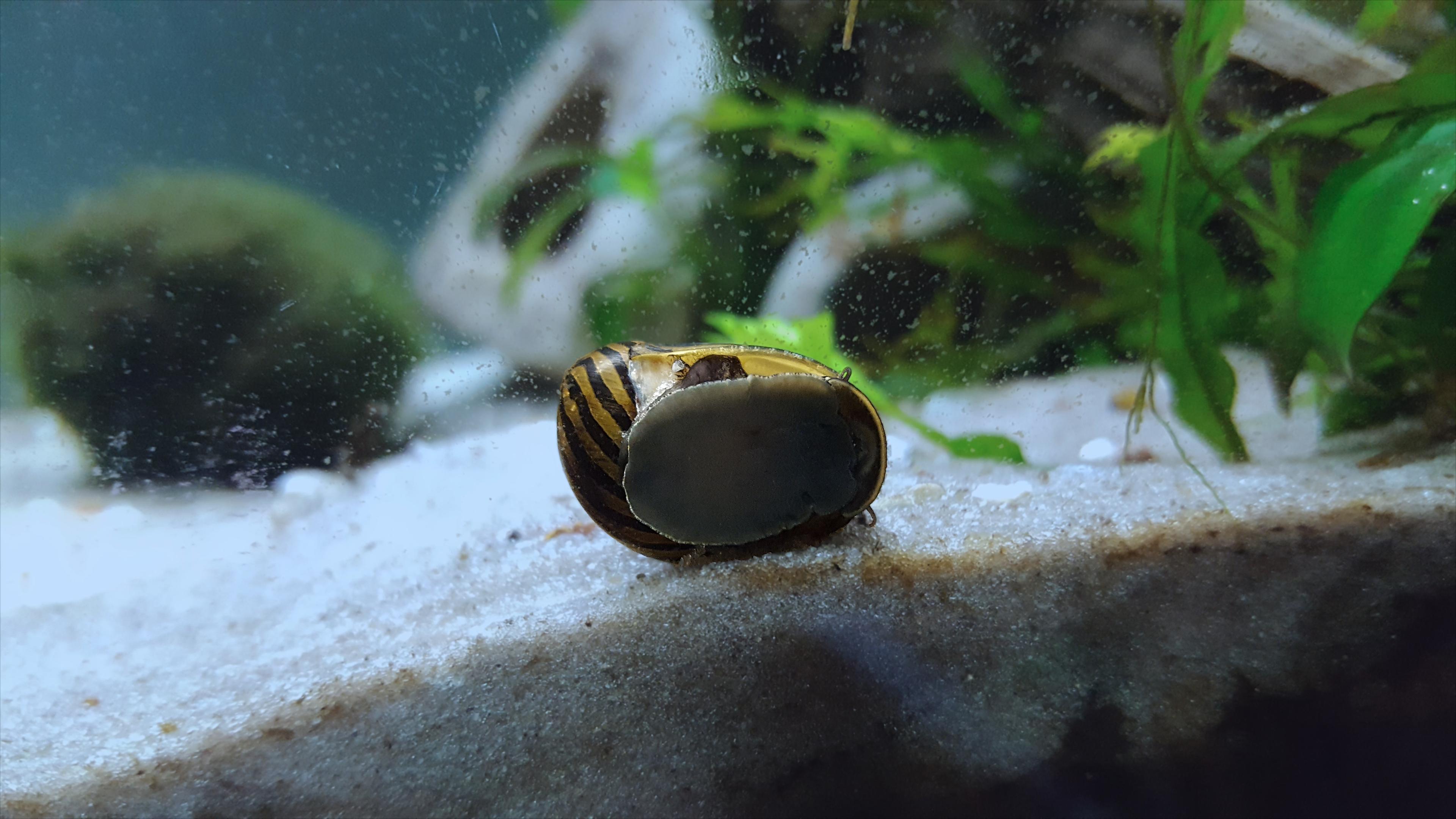
Think of snails as part of your aquarium's clean-up crew rather than as tiny cleaning machines. They can help keep surfaces tidy and make use of resources that might otherwise go to waste, but the aquarist still needs to maintain the aquarium.
Why Do Snail Populations Suddenly Increase?
Finding pest snails in fish tank environments is not unusual, especially in mature aquariums. What often surprises aquarists is how quickly their numbers can appear to increase. In many cases, the explanation is simple: there is plenty of food available.
Snails are opportunistic feeders. When leftover food, algae, or decomposing plant material becomes available, they have access to the resources needed to survive and reproduce. If fish are regularly given more food than they can eat, some of it eventually becomes available to snails.
This does not mean that every aquarium with snails is being poorly maintained. Even well-maintained planted tanks can support small snail populations. The important factor is whether the population remains stable or continues increasing rapidly.
If you notice more snails than usual, take a closer look at your feeding routine. Are fish finishing their food quickly? Is food settling into the substrate? Are there dead leaves accumulating between plants? Are there areas of the aquarium that are difficult to clean?
If your snail population is growing quickly, check:
Feeding habits-
Make sure fish are eating their food rather than leaving large amounts behind for the snails.
Plant debris-
Remove dead and decomposing leaves, as these can provide an additional food source.
Aquarium maintenance-
Regular cleaning and water changes can help prevent excess organic matter from accumulating.
Stable CO₂ delivery can also support healthy plant growth, particularly in a high-tech planted aquarium. A CO2Art Pro Elite Regulator provides controlled CO2 delivery, allowing aquarists to maintain a consistent supply rather than relying on irregular additions.
Reducing excess food and keeping up with regular maintenance can naturally reduce the resources available to snails. In many situations, controlling their food supply is more effective than trying to remove every snail individually.
Are Snails Bad for Fish and Plants?
A common concern among beginners is are snails bad for fish tanks, but the presence of snails does not automatically mean that the aquarium is unhealthy. Most common freshwater hitchhiker snails are harmless to healthy fish and generally do not damage established aquarium plants.
In fact, many species can provide benefits by grazing on algae and consuming organic debris. They can also become an additional food source for some fish and other aquarium inhabitants that naturally prey on small invertebrates.
Problems can occur when the wrong species is introduced or when a population becomes excessively large. Some larger or more specialised snails have different dietary needs and behaviours, so it is important to identify a snail before assuming it is harmless or problematic.
There is also a common misconception that all aquarium snails will eat healthy plants. Most of the small species that arrive as accidental hitchhikers prefer algae, leftover food, and decaying material. Healthy plants are generally much less attractive to them than soft, decomposing leaves.
For aquascapers using an in-tank CO2 solution, a CO2Art Flux Diffuser can provide an effective way to introduce CO2 directly into the aquarium. Maintaining good plant growth can help create a healthy planted environment, while regular maintenance remains essential regardless of whether snails are present.
If you notice snails on your plants, check whether the leaves they are feeding on are already damaged or deteriorating. Their presence may simply indicate that they are taking advantage of material that the aquarium is already producing.
When Can Snails Become Invasive?
The phrase invasive aquarium snails can sound alarming, but it is important to distinguish between a snail becoming numerous inside your aquarium and a species becoming an invasive environmental problem. A population explosion within a fish tank is usually a sign of favourable conditions rather than evidence that the species itself is dangerous.
The main concern with unwanted aquarium organisms is what happens when they are released into natural waterways. Aquarium animals should never be intentionally released into rivers, lakes, ponds, or other natural environments. A species that is harmless or manageable inside an aquarium may behave very differently when introduced into an ecosystem where it does not naturally occur.
For aquarium keepers, responsible disposal is therefore extremely important. If you have too many snails, do not simply empty them into outdoor water. Instead, remove them manually and dispose of them responsibly or find another appropriate solution.
Inside the aquarium, controlling the population is usually much simpler. Reducing excess food, removing accumulated debris, and maintaining regular cleaning can reduce the resources available for reproduction. Population control is generally much easier when it is approached as an aquarium management issue rather than an emergency.
What About Baby Snails?
Seeing baby snails in fish tanks can be surprising, particularly if you never intentionally added snails in the first place. Tiny snails can appear suddenly because many common freshwater species reproduce readily in aquarium conditions. Eggs may be attached to plants, decorations, or other surfaces before the aquarist notices them.
Some species can reproduce quickly when food is abundant, which explains why a small number of adults can eventually lead to a noticeable population. However, finding baby snails does not necessarily mean you are facing an uncontrollable infestation.
Their survival will depend on the species, food availability, aquarium conditions, and whether other inhabitants eat them. Some fish naturally consume very small snails, while shrimp and other peaceful livestock may simply ignore them.
If you discover baby snails, you can:
Leave them-
If their numbers are low and they are not causing problems, they can simply become part of your aquarium's clean-up crew.
Reduce available food-
Feeding appropriately can help prevent the population from growing rapidly.
Remove unwanted snails-
If you want fewer snails, manually removing adults and visible egg clusters can help keep their numbers under control.
If you do not want the population to grow, early intervention is usually easier than waiting until there are hundreds of snails. On the other hand, if the snails are not causing problems, there may be no reason to remove them. A few small snails can become a useful part of the aquarium's clean-up crew and contribute to the natural activity of the tank.
How Large Can Pest Snails Become?
If you have noticed several tiny snails around your aquarium, you may eventually wonder how big do pest snails get? The answer depends heavily on the species. Many common hitchhiking snails remain relatively small, which is one reason they can go unnoticed when they first enter an aquarium.
Bladder and pond snails typically remain small enough to move easily across aquarium glass and plants, while ramshorn snails can develop larger, more noticeable shells. Malaysian trumpet snails are also relatively small but can form substantial populations within the substrate.
Their size is not necessarily the best way to determine whether a snail is suitable for your aquarium. Behaviour, diet, reproduction, and compatibility with your livestock are much more important factors.
It is also worth remembering that snails can look very different at different stages of their lives. A tiny juvenile may be difficult to identify, while the same animal can become much easier to recognise once its shell develops.
If you discover an unfamiliar snail, take a photograph and try to identify it before deciding what to do. Understanding the species will give you a much clearer idea of how large it is likely to become, what it eats, and whether it is likely to be helpful or problematic in your aquarium.
Conclusion
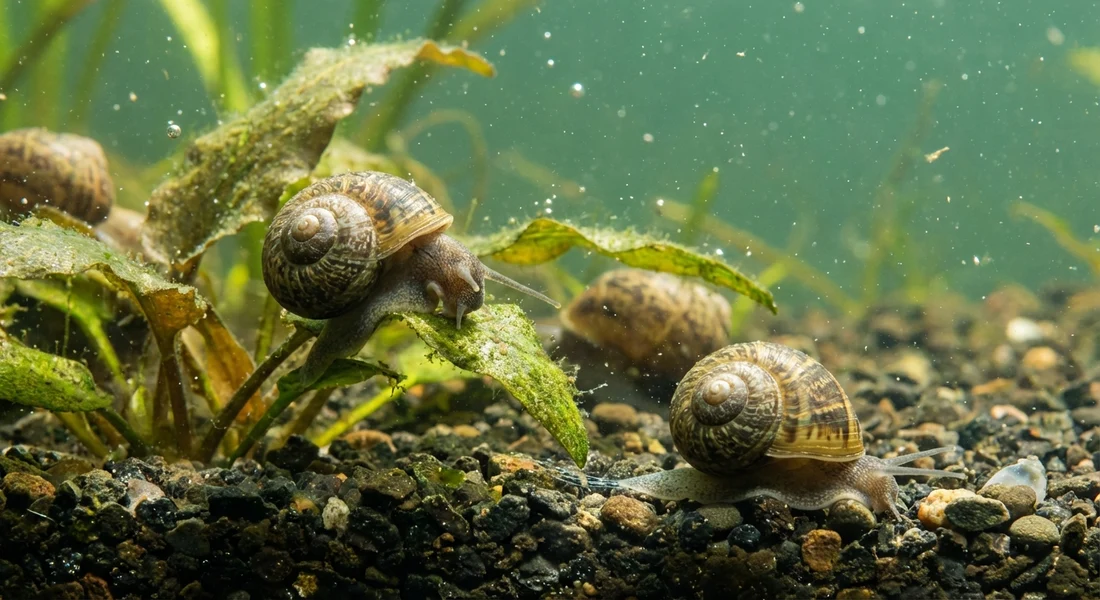
Aquarium snails are not automatically pests, and in many cases they can provide useful benefits. They can graze on algae, consume leftover food, and help break down organic material, making them a natural part of many freshwater aquarium ecosystems.
The key is balance. A small population of harmless scavenging snails can be beneficial, while a rapidly increasing population may indicate that too much food or organic waste is available. Rather than immediately trying to eliminate every snail, look at the conditions that are allowing the population to grow. Monitoring your aquarium's CO2 system, including components such as the CO2Art CO2 Bubble Counter, can also help you keep track of CO2 delivery as part of your overall aquarium maintenance routine.
With proper identification, sensible feeding, regular maintenance, and responsible aquarium keeping, snails can be managed effectively and sometimes, those tiny creatures you did not plan on adding can become a surprisingly useful part of your aquarium.