
Understanding Black Beard Algae
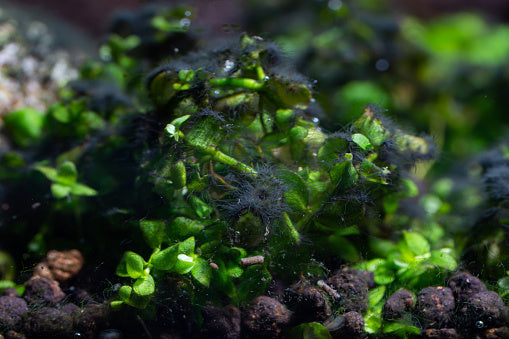
Black beard algae is a type of red algae, often appearing black or dark green, that grows in freshwater aquariums. It typically forms dense tufts on hard surfaces such as rocks, driftwood, and plant leaves. While it’s not immediately dangerous, it can quickly take over a tank if left unchecked, making it a common concern for aquarium hobbyists.
Unlike other common algae types like green spot or hair algae, black beard algae has a rough texture and a stubborn growth pattern. Its presence is often a sign of imbalance in the aquarium, such as inconsistent water parameters or nutrient deficiencies. Understanding its characteristics is the first step in effectively managing it.
Identifying Black Algae in Fish Tank
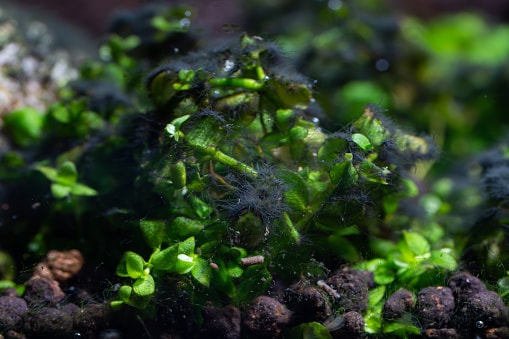
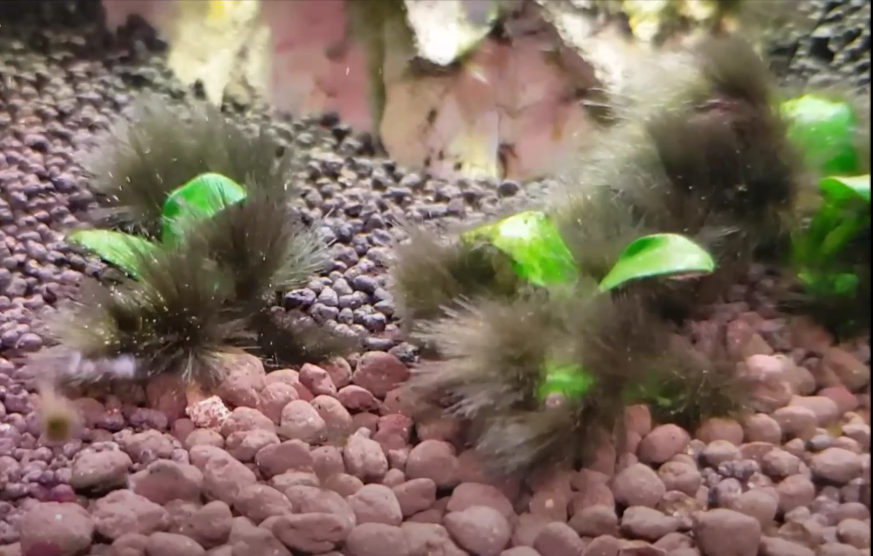
Signs of black algae in fish tank include dark, brush-like patches on plants, decorations, or equipment. These patches are usually coarse and may resist simple cleaning attempts. Early detection is crucial because the algae spreads slowly at first but can become unmanageable if ignored.
Beginners may confuse black beard algae with other algae types, but one distinguishing factor is its tendency to grow in clusters or tufts rather than forming a thin film. Observing your tank regularly helps identify problem areas before the algae takes over.
What Causes Black Beard Algae
Several factors contribute to what causes black beard algae in aquariums. Imbalances in light, nutrients, and carbon dioxide levels create favorable conditions for growth. High levels of phosphates or inconsistent fertilization can also encourage black beard algae proliferation.
In addition, poor water circulation or sudden changes in water parameters can stress plants, giving black beard algae an advantage. Understanding these causes allows aquarists to adjust conditions and prevent excessive growth.
How to Get Rid of Black Beard Algae
When it comes to how to get rid of black beard algae, several approaches are effective. Manual removal using brushes or tweezers can target visible patches, while adjusting lighting, CO2 levels, and nutrient dosing helps prevent regrowth.
Some aquarists also use chemical treatments or introduce algae-eating fish and invertebrates. Each method has its benefits and limitations, and combining approaches often yields the best results for long-term control.
Black Beard Algae Removal: Is Black Beard Algae Harmful to Fish & Aquarium Plants
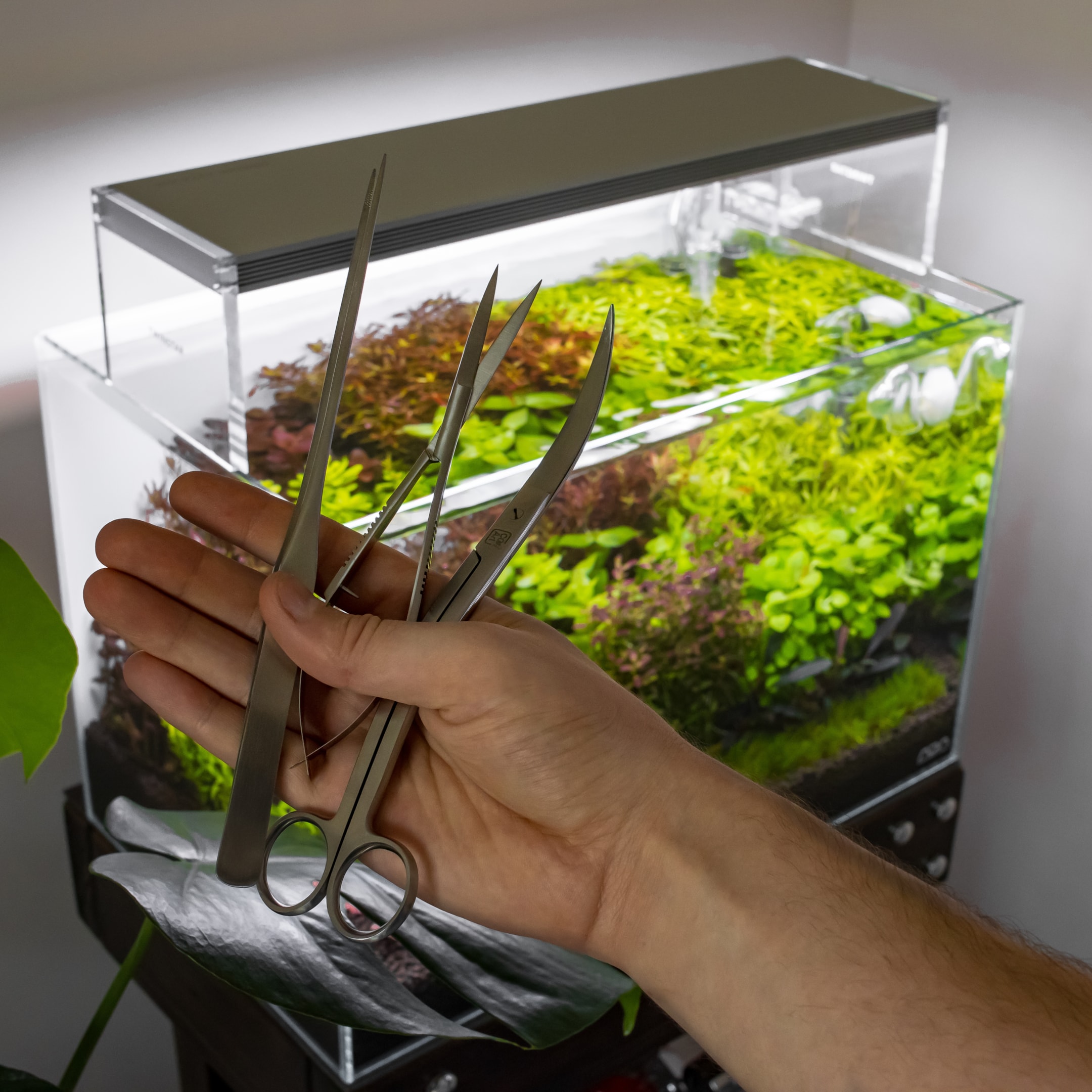
Techniques for black beard algae removal range from manual scrubbing to trimming affected plants. Consistent maintenance is key, as this algae growth is notoriously difficult to eradicate completely. Removing it promptly prevents it from spreading to untouched areas of the aquarium.
Many aquarists wonder, is black beard algae harmful to fish. Generally, it is more of a cosmetic issue and does not pose a direct threat to healthy fish. However, black algae on aquarium plants can inhibit plant growth by blocking light and covering leaves, so controlling its spread is essential for a balanced ecosystem.
Effects on Fish, Plants, and Overall Tank Balance
Although black beard growth is visually alarming, it rarely poses a direct danger to fish. Most species tolerate moderate algae presence without stress, but problems arise when beard algae spreads unchecked and begins to affect plants. Heavy coverage can interfere with plant health, limiting nutrient uptake and reducing the tank’s natural stability. In severe cases, this imbalance contributes to broader algae problems that disrupt the aquarium ecosystem.
Poor water circulation often worsens the issue by creating dead spots where debris accumulates. These areas trap organic waste, lowering oxygen levels and allowing black beard and other algae to thrive. Maintaining consistent flow, controlling light intensity, and avoiding too much light are essential preventive measures, especially in planted tanksthat rely on balanced conditions.
Maintenance Practices to Control Algae Expansion
Routine maintenance plays a major role in limiting beard algae and overall algae spread. Performing regular water changes helps dilute excess nutrients and stabilize nutrient levels, both of which are key contributors to unwanted growth. Incorporating a structured schedule that includes weekly water replacement reduces the buildup that fuels black beard development.
Consistent care also protects against future outbreaks by keeping conditions predictable for fish and plants alike. Strong water circulation prevents stagnation, while removing debris before it breaks down minimizes algae pressure. When combined with regular water changes, these habits form the foundation of long-term control in planted tanks.
Biological Solutions and Algae-Eating Species
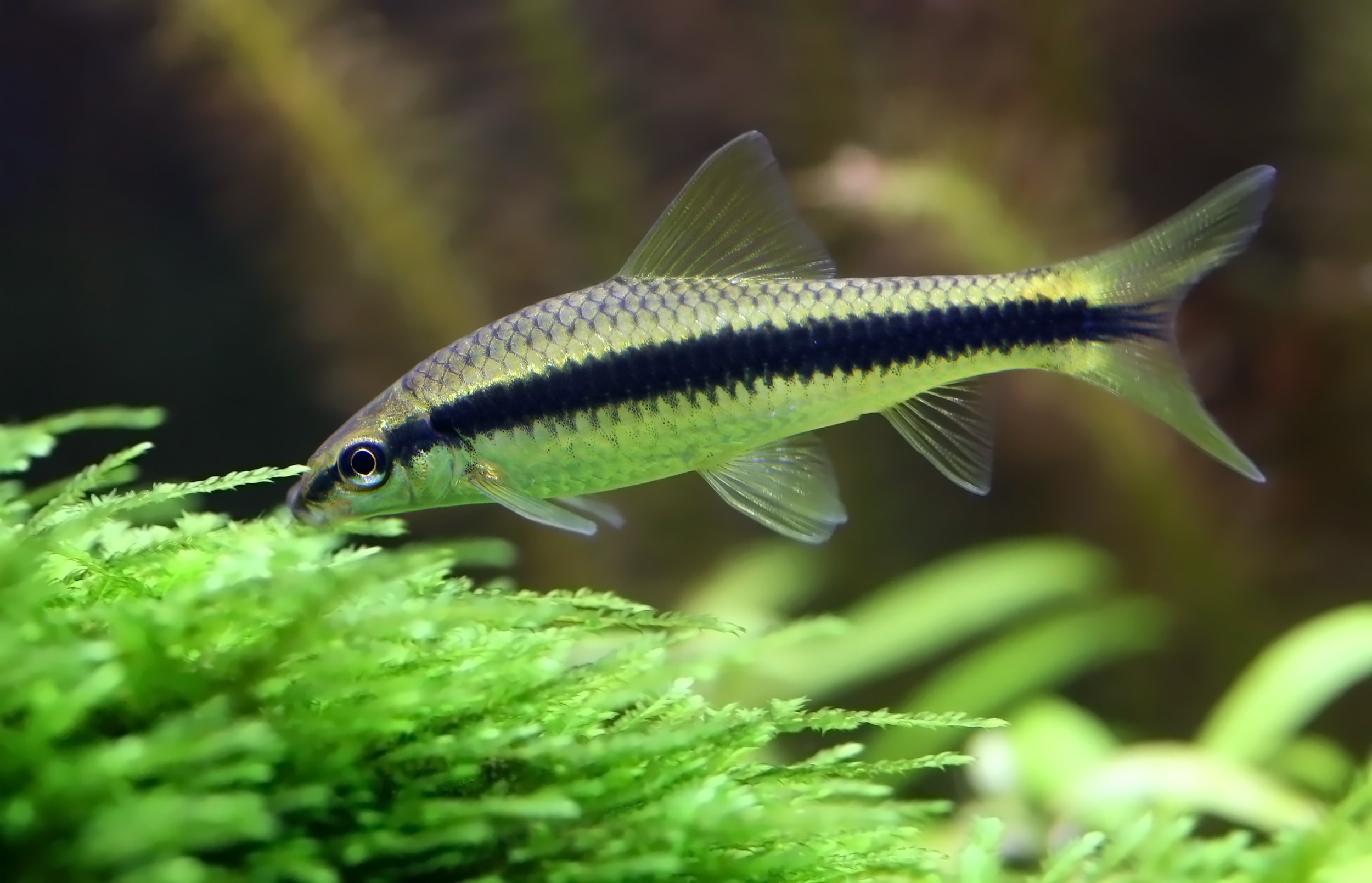
Certain livestock can help manage black brush algae and other forms of algae when used correctly. The siamese algae eater is one of the few species known to actively consume bba, making it a popular choice for larger freshwter aquariums. Other algae eater species can complement it by grazing on surfaces where bba growth starts, providing additional natural control in planted tanks.
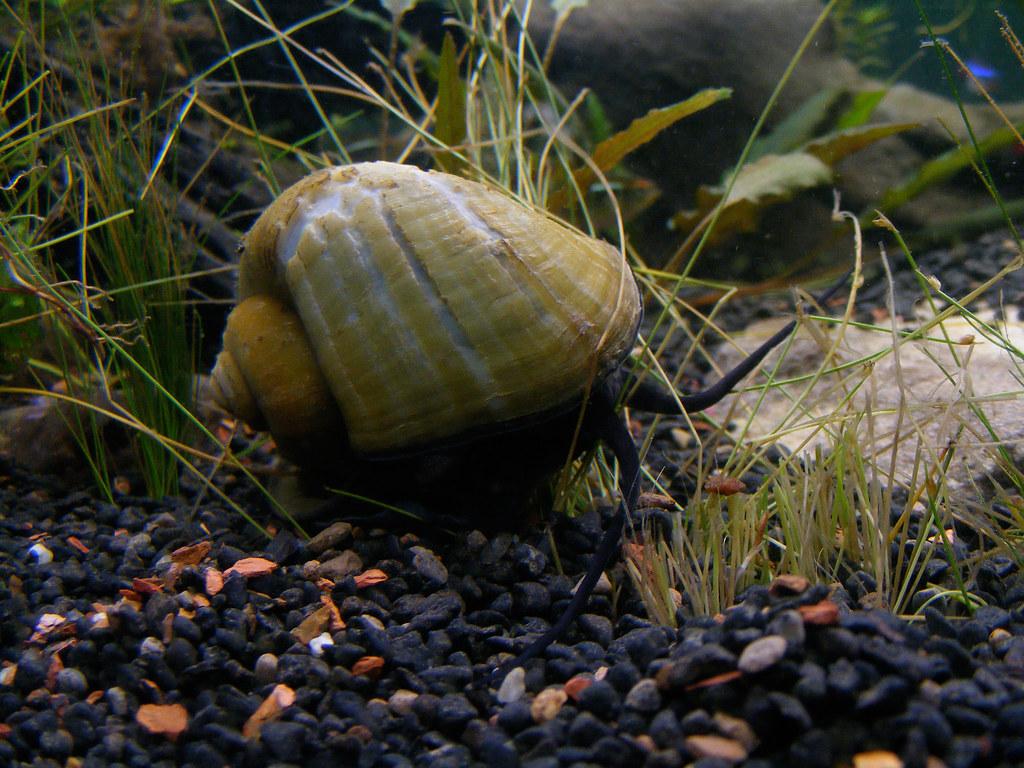
In smaller setups, invertebrates such as amano shrimp and ramshorn snails contribute by grazing on soft beard algaeand surface algae. While they won’t eliminate black beard entirely, they help control early stages of bba growthand reduce reliance on chemicals. By combining algae eater fish and invertebrates in planted tanks with good water circulation, aquarists can significantly limit black brush algae and support overall tank balance.
Chemical and Targeted Treatment Methods
For stubborn infestations, aquarists sometimes use hydrogen peroxide to directly target black bear algae. This method allows hobbyists to spot treat affected areas without disrupting the entire system. When applied carefully, hydrogen peroxide weakens beard algae and black brush algae, allowing it to be removed manually after treatment.
Chemical treatment should always complement, not replace, proper maintenance. Overuse can stress fish, plants, and beneficial bacteria, especially in freshwter aquariums with limited volume. Addressing underlying causes such as unstable light intensity, uneven water circulation, and rising organic waste is essential to prevent black bear algae from returning.
Lighting Control and Its Role in Algae Development
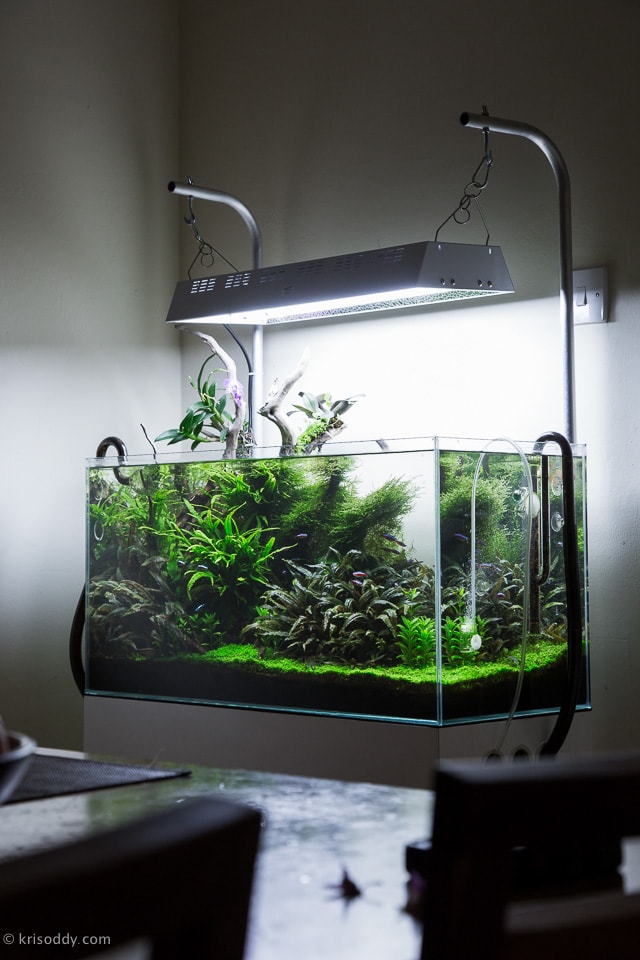
Lighting is one of the most influential factors behind black beard outbreaks. Extended exposure to natural light or improperly adjusted fixtures can trigger bba growth, especially when combined with unstable nutrient levels. In many planted tanks, excessive light intensity encourages algae to outcompete plants, particularly when slow nutrient uptake occurs.
Problems often arise when aquariums receive too much light, which stresses slow growing plants and allows beard algae to establish itself on older leaves. Adjusting photoperiods and reducing light intensity helps limit black brush algae while improving overall balance. Thoughtful lighting control is one of the most effective preventive measuresagainst recurring algae problems.
Nutrients, Plant Growth, and System Stability
Imbalanced fertilization frequently leads to nutrient deficiencies that weaken plants, giving black bear algae an opportunity to spread. At the same time, an overload of excess nutrients fuels unwanted algae growth. Achieving equilibrium is critical in planted tanks, where healthy vegetation is the primary competitor against red algae and other invasive forms.
Maintaining strong plant vitality improves resistance to black beard and reduces surfaces available for attachment. Dense planting, paired with proper fertilization, supports oxygen levels and limits bba growth across leaves and décor. When nutrients are balanced correctly, algae struggles to establish dominance, even in high-light environments.
CO2 Injection and Its Influence on Black Beard Algae
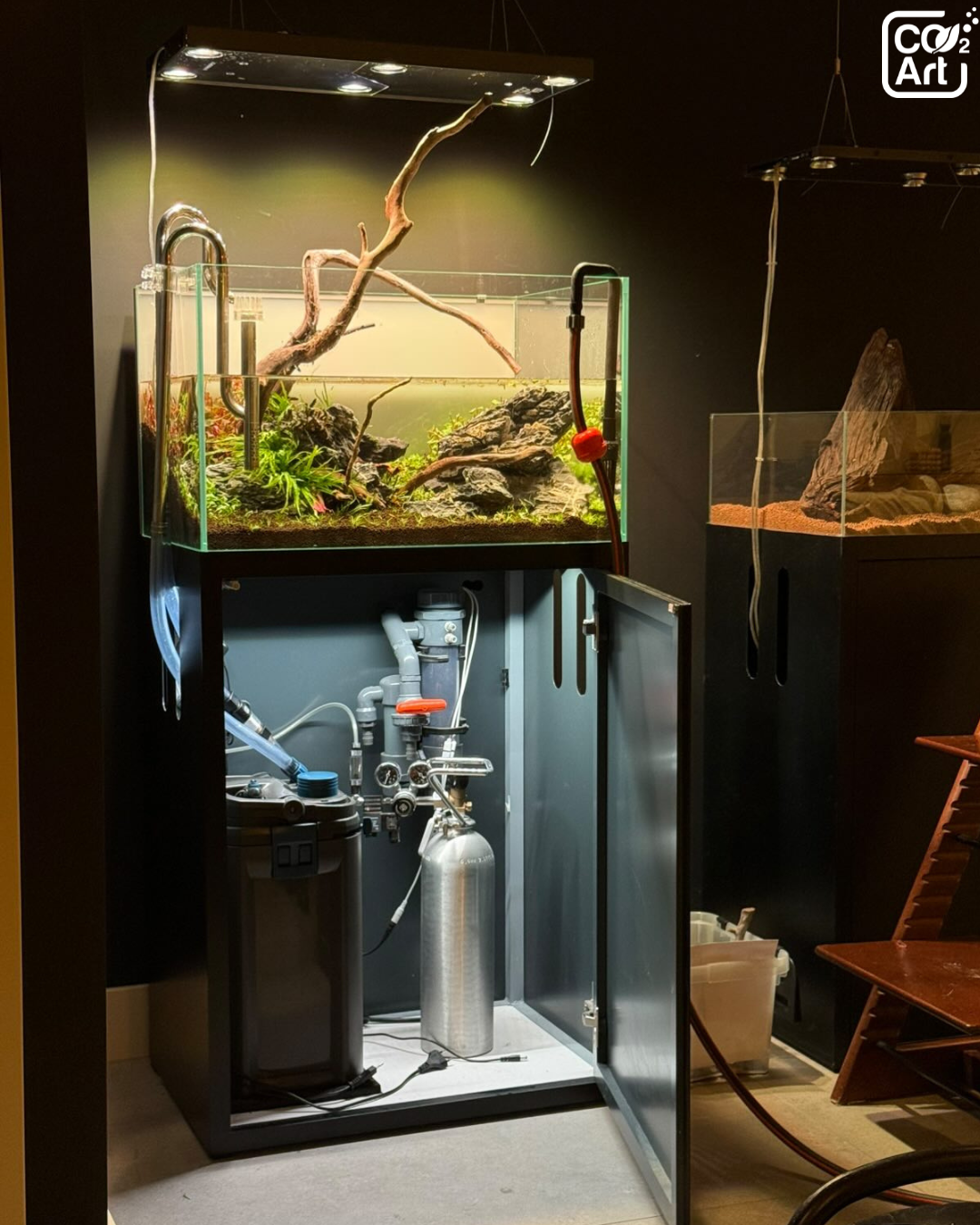
Proper CO2 injection is one of the most effective ways to manage black beard in planted tanks. By increasing carbon availability, plants can grow more vigorously, outcompeting beard algae and limiting bba growth. Strong plant vitality supported by stable CO2 levels discourages black brush algae from taking hold on leaves, décor, or hardscape.
In addition, balanced CO2 injection improves oxygen levels and overall ecosystem stability, making algae issues less likely. When combined with appropriate light intensity, consistent water circulation, and proper nutrient management, CO2 injection helps maintain a healthy balance where black beard struggles to establish, protecting both slow growing plants and fast-growing species in freshwter aquariums.
Manual Removal and Spot Treatment
Manual maintenance is often the most immediate way to manage black beard. Tools like brushes and tweezers can remove beard algae from plants, décor, and hard surfaces, while spot treat applications of hydrogen peroxide target stubborn patches without affecting the whole aquarium. These methods reduce bba growth while preserving delicate slow growing plants.
While performing manual removal, it’s essential to maintain water circulation and remove organic waste to prevent recurrence. Regular scrubbing and weekly water adjustments help keep black brush algae at bay. Combined with proper lighting and nutrient management, these steps form the backbone of effective algae control in freshwter aquariums.
Supporting Plant Health to Outcompete Algae
Healthy plants are the best natural defense against black beard and other algae. By optimizing nutrient levels and ensuring adequate oxygen levels, planted tanks can reduce the space and resources available for beard algae to thrive. Slow-growing species require careful attention to prevent bba growth, while fast-growing plants compete directly with red algae for light and nutrients.
Maintaining strong plant well-being also benefits fish and invertebrates by stabilizing the tank’s ecosystem. Proper water circulation prevents dead spots, while balanced light intensity encourages growth of plants over black brush algae. In this way, focusing on vegetation creates a self-sustaining environment that naturally limits algae issues.
Conclusion and Long-Term Management
Controlling black beard in freshwter aquariums requires a combination of proper lighting, nutrient management, and consistent maintenance. Planted tanks thrive when plants are healthy, oxygen levels are balanced, and water circulationis optimized to prevent dead spots where beard algae can establish. Introducing algae-eating species such as siamese algae eater, amano shrimp, and ramshorn snails helps consume bba naturally, supporting long-term control while reducing reliance on hydrogen peroxide and other chemical treatments.
Preventing future algae problems also depends on addressing underlying causes. Regular checks of nutrient levels, proper light intensity, and minimizing organic waste all limit bba growth and black brush algae proliferation. Targeted spot treat applications of hydrogen peroxide can help in stubborn areas, but maintaining strong plant healthand performing regular water changes are the most reliable strategies to protect fish, plants, and the overall ecosystem from recurring black beard. With patience and consistent care, hobbyists can enjoy a beautiful, balanced aquarium without letting algae take over.

Share:
How to choose compatible fish for community planted tank?
Brief Guide on CO2 Injection in Planted Aquarium