

Understanding Your Community Planted Tank
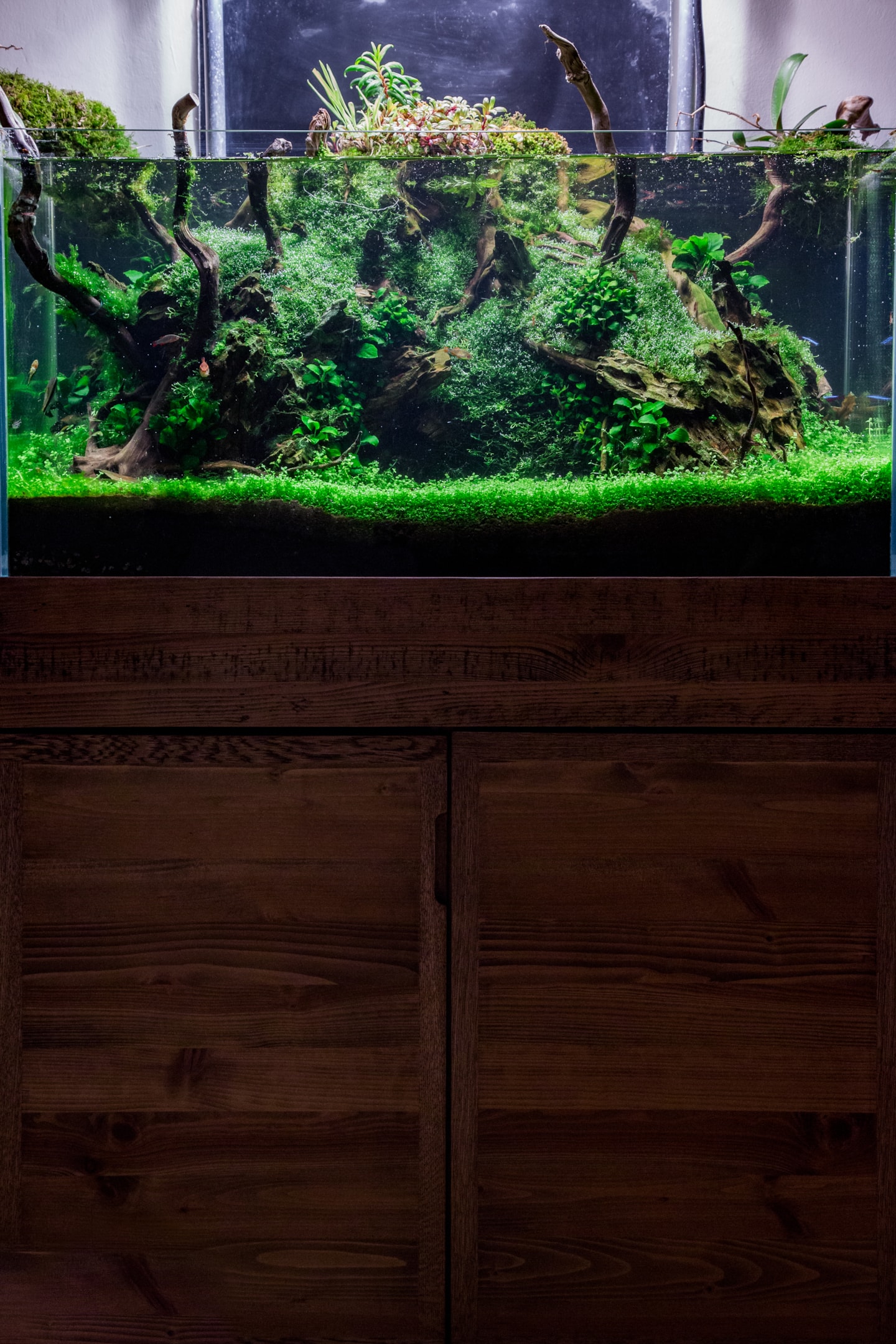
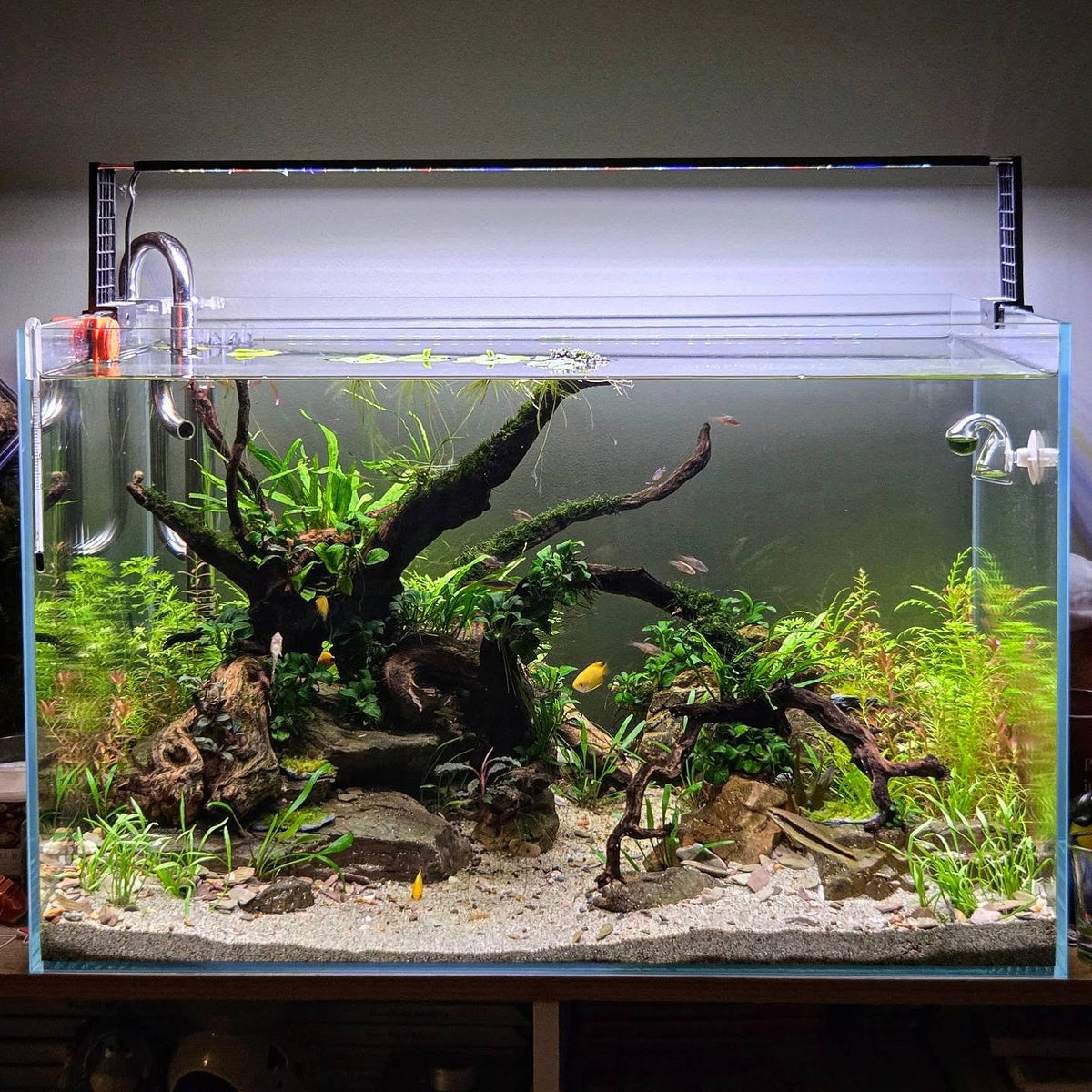
A well-designed aquarium goes beyond simply filling a tank with water and fish. A planted setup brings together natural vegetation and aquatic life, creating a miniature ecosystem that mimics nature. The balance between fish and greenery not only improves aesthetics but also supports healthy water chemistry, oxygen levels, and natural behaviors.
When planning this setup, it’s essential to select breeds that coexist peacefully and thrive in similar conditions. A properly managed community fish tank allows both aquatic flora and fish to flourish while reducing stress and aggression, creating a harmonious and visually pleasing environment.
Choosing the Best Fish for Harmony
Not all fish are suitable for every planted aquarium. Their size, temperament, and activity level should be carefully considered to prevent territorial disputes and stress. Peaceful kinds that complement one another’s behavior are ideal for sustaining balance.
When selecting species, prioritize options that are adaptable and compatible with tank greenery. The best fish for a community tank are those that naturally coexist, occupy different areas of the tank, and enrich the visual dynamics without damaging the ecosystem.
Selecting Compatible Tank Mates
Introducing new fish to an existing tank requires understanding social behavior and hierarchy. Schooling species need companions, while territorial fish may require more space. Observing interactions and grouping compatible species is crucial for minimizing conflicts.
Pairing the right species is essential for long-term success. Carefully chosen community fish tank mates, especially freshwater community fish, ensure a peaceful environment where all species can thrive, encouraging natural behavior and reducing stress.
Freshwater Fish Options for Planted Tanks
Freshwater planted tanks offer a wide variety of fish, from bottom dwellers to mid-level swimmers. Each type has unique care requirements, such as water temperature, pH, and hardness, which must match the greenery needs for optimal growth.
Selecting species with compatible temperaments is key. The best freshwater community fish and other peaceful community aquarium fish provide a balanced mix, ensuring both visual diversity and harmonious interactions, enhancing the overall beauty of the planted tank.
Beginner-Friendly Freshwater Choices
For beginners, choosing hardy species reduces stress and increases the chances of a thriving planted tank. These species can tolerate minor fluctuations in water conditions and adapt well to planted environments, making them ideal for new aquarists.
When planning your stocking, consider the types of freshwater fish for tanks that are compatible with aquatic flora and other species. A freshwater community tank stocked with these beginner-friendly fish provides a vibrant, low-maintenance ecosystem that promotes both enjoyment and long-term success.
Balancing Color and Behavior in Your Community Tank
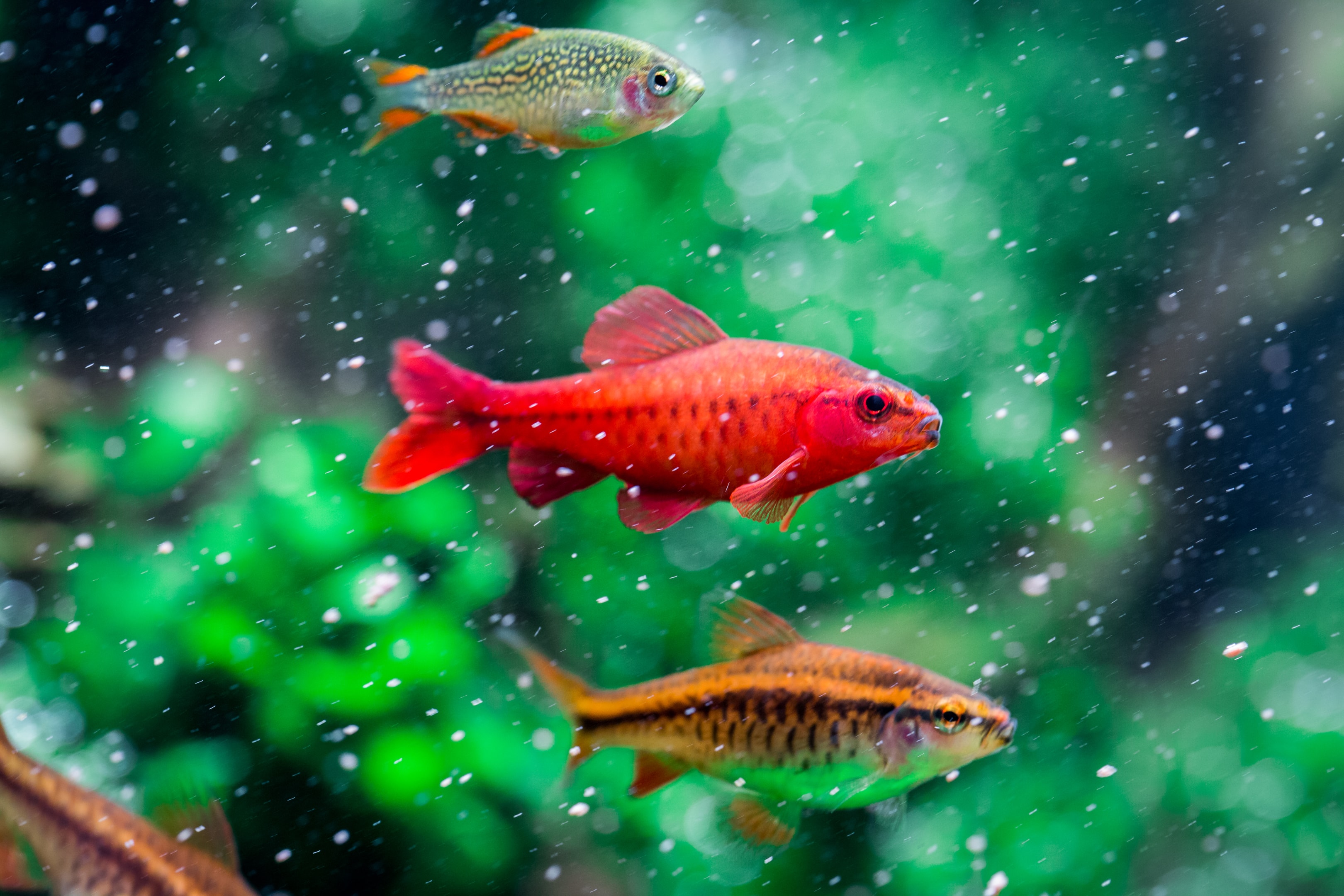
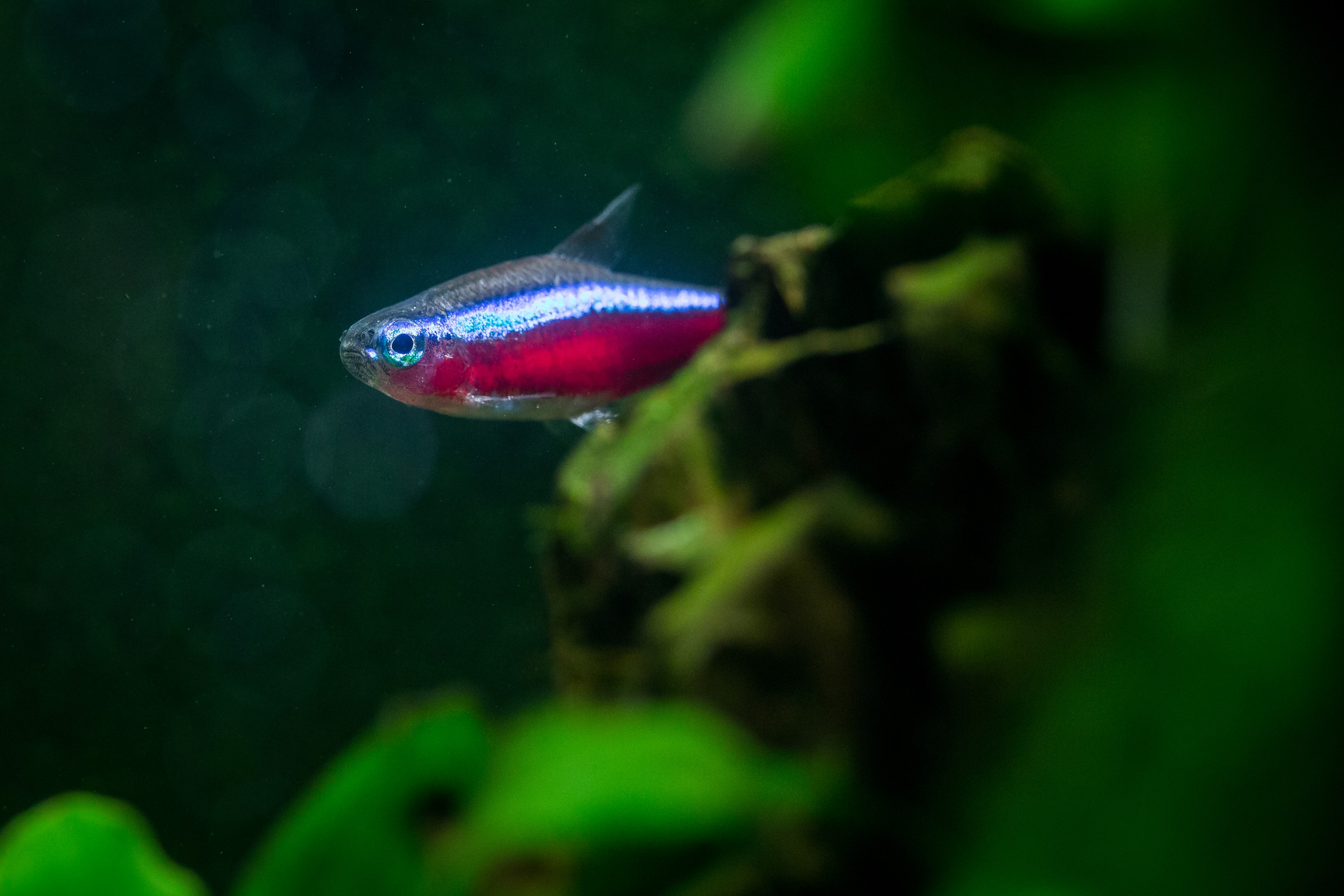
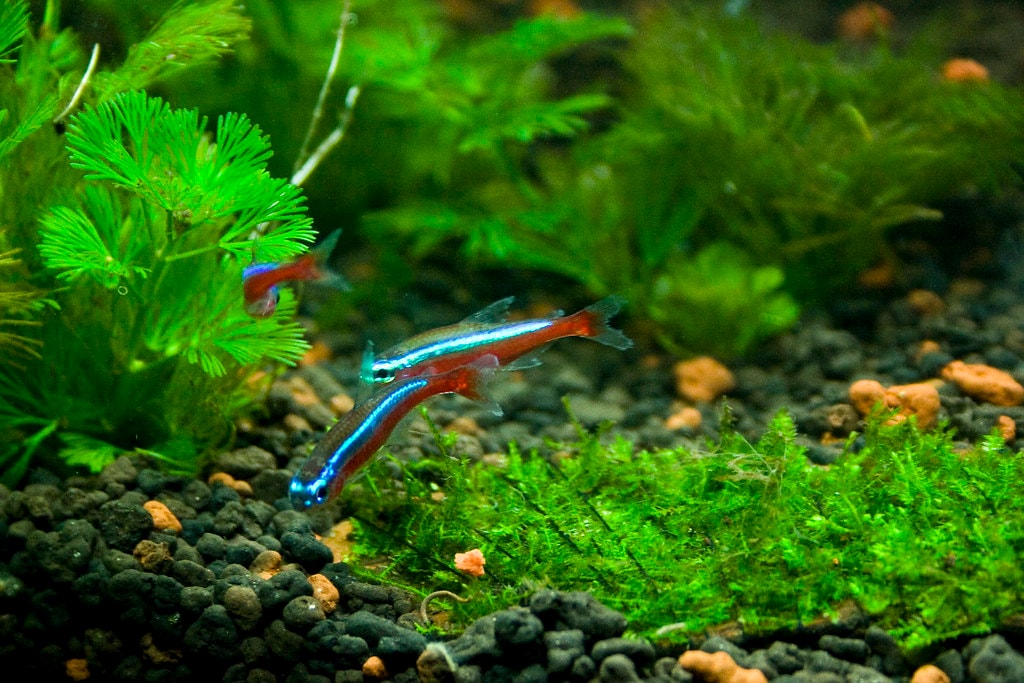
Creating a visually appealing community tank requires more than just picking colorful species. Fish like neon tetras and pearl danios add vibrant movement, but it’s crucial to consider their temperament alongside their appearance. Lively fish thrive in large, well-planted aquariums, but mixing them with territorial fish can lead to stress and territorial disputes.
When designing your community aquarium, ensure that tiny breeds are paired with species of the same size to reduce bullying. Observing natural interactions helps upkeep fish compatibility, and adding hiding spots for invertebrates and Neocaridina shrimp creates a safe environment. By balancing behavior, color, and tank layout, you can enjoy a harmonious display in your aquarium.
Understanding Different Fish Types
Not all fish varieties are suitable for a community tank, so understanding their behavior is essential. Group-swimming fish like tetras and cory cats prefer big groups and feel safer when kept in numbers. Bottom dwellers such as cory fishcoexist well with mid-level active fish, while territorial types need their own spaces to thrive.
Adding invertebrates and aquatic growth can further enhance the ecosystem. When selecting nano fish for a community aquarium, consider their diet, activity level, and compatibility with other species. Managing proper temperature and providing adequate food ensures that all inhabitants of the fish tank remain healthy and vibrant.
Maintaining Water Quality in a Community Tank
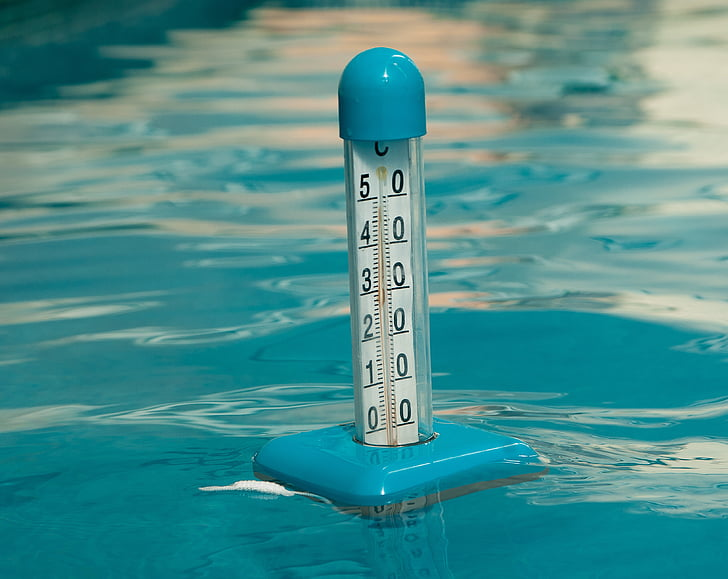
Keeping a clean community tank is essential for the health of all fish and other inhabitants. Regular water changes, proper filtration, and monitoring temperature are crucial. Bladder snails can help control algae, while shrimp and contribute to keeping detritus under control.
In larger community aquariums, poor water quality can lead to stress, disease, and conflicts among fish species. Ensuring correct coexistence suitability and providing plenty of hiding spaces reduces aggression. Regularly checking food distribution ensures that both smal types and larger, more active species get adequate nutrition.
Matching Fish with Plants
When pairing fish with aquascape flora in a community tank, it’s important to consider which species might uproot or nibble on vegetation. Dwarf gourami and neon tetras are excellent choices for planted setups, as they coexist peacefully with most aquatic greenery. Cherry shrimp thrive in heavily planted areas, adding both color and ecological balance.
In a community aquarium, the choice of fish kinds should also consider hiding spots and swimming areas. Group-swimming fish like tetras and cory cats feel safer in large groups, while energetic fish need open swimming spaces. Including invertebrates enriches the environment and supports a healthy fish tank ecosystem.
Assessing Aggression and Compatibility
When stocking a community tank, it’s crucial to understand which types of fish may be dominant fish and which are peaceful. Territorial behavior can occur among males, especially during breeding periods, so providing hiding spots and greenery helps reduce stress. Dwarf gourami and celestial pearl danios are typically peaceful, making them excellent choices for mixed setups.
Preserving fish compatibility is also about grouping schooling fish in large groups and ensuring small kinds are not bullied. In a well-managed community aquarium, even aggressive fish can coexist if the tank is properly arranged, with space for all inhabitants to claim their own areas.
Social Behavior and Schooling Fish
Schooling fish such as tetras and cory cats thrive when kept in large groups, which reduces stress and encourages natural behavior. These lively fish are visually appealing, adding movement and vibrancy to your community tank. Mixing compatible species ensures a peaceful and dynamic fish tank environment.
When selecting tiny fish for a planted community aquarium, consider their interactions with males of more territorial species. Invertebrates provide additional activity and ecological balance. Observing natural behavior helps preserve fish compatibility, ensuring all inhabitants coexist comfortably in the aquarium.
Feeding and Nutritional Needs
In a community tank, proper diet is essential for the health and growth of all fish. Tetras, neon tetras, and cory catsthrive on high-quality flakes, frozen foods, or pellets. Providing enough food for little fish and vigorous fishensures that no species is left underfed, while also preventing leftover waste that can harm water quality.
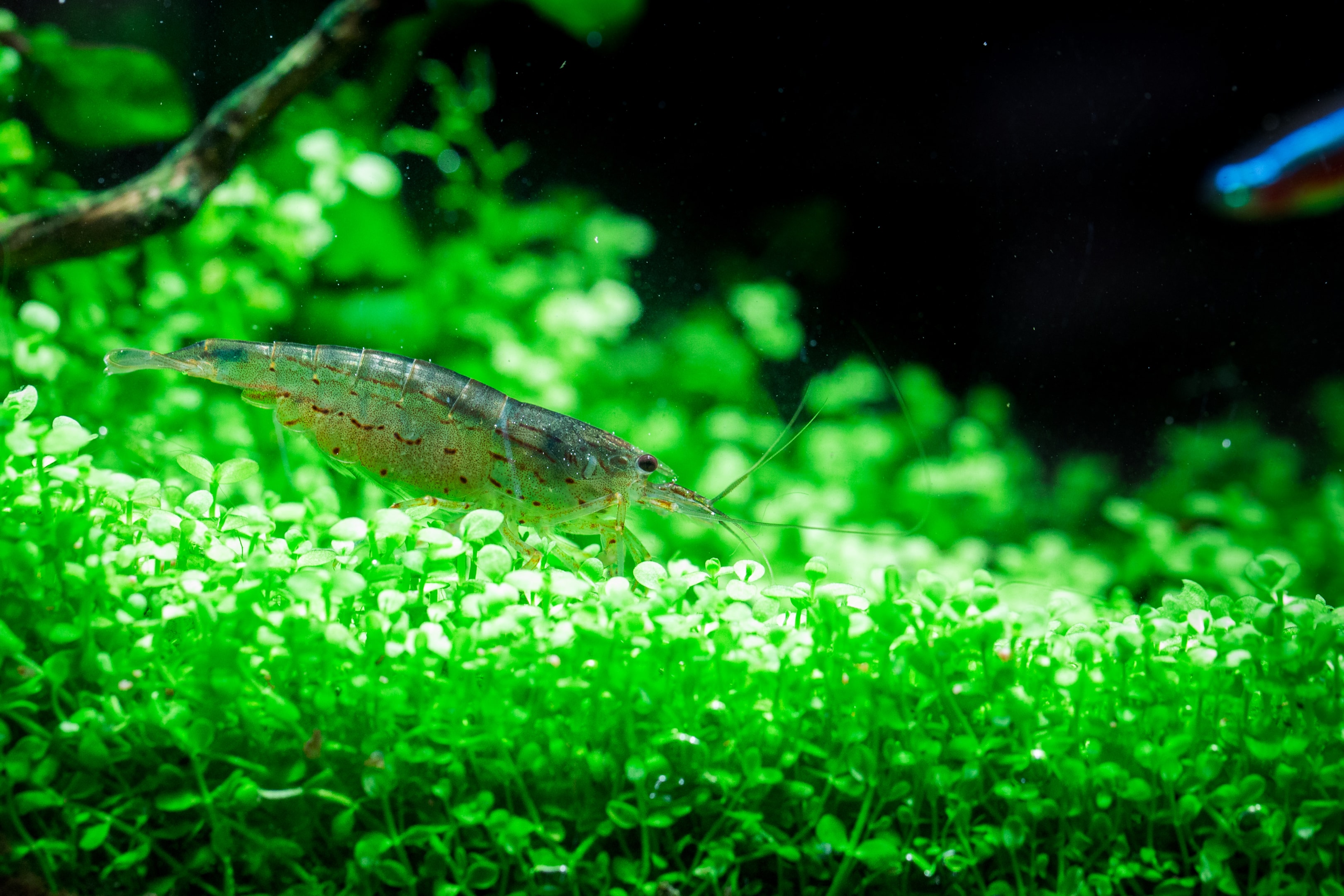
Pay attention to species-specific requirements when providing meal. Cherry shrimp and shrimp benefit from supplemental algae wafers, while dwarf gourami may prefer live or frozen foods. Balancing nutrition across fish breeds supports vibrant colors, active behavior, and long-term health in your community aquarium.
Tank Size and Space Requirements
The size aquarium you choose directly affects the number and type of fish you can keep in a community tank. Schooling fish like tetras and celestial pearl danios need large groups and ample swimming space, while cory fishoccupy the bottom layer, reducing competition. Keeping tiny fish and energetic fish in appropriate numbers ensures a peaceful environment.
Overcrowding can lead to territorial disputes among males and aggressive fish, so planning the size aquariumcarefully is crucial. A well-planned community aquarium allows all species, including shrimp and bladder snails, to coexist comfortably while maintaining a balanced ecosystem in the fish tank.
CO2 Injection for Planted Tanks
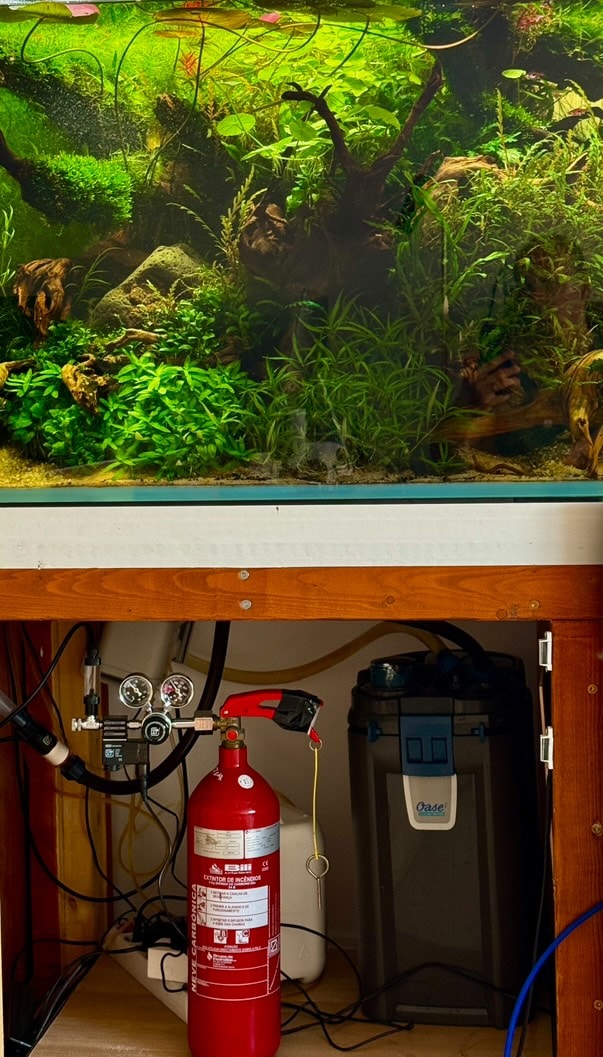
Injecting CO2 into a community tank helps fish and live greenery thrive together. Proper CO2 injection enhances plant growth, giving small fish like celestial pearl danios and neon tetras more hiding spots and natural territories. Healthy aquatic flora improve water quality, reducing stress for active fish and shrimp while supporting overall fish compatibility.
In addition to boosting plant health, a community aquarium with CO2 encourages natural behaviors in schooling fishand cory cats, as they navigate the well-planted environment. Regular monitoring of temperature, water parameters, and CO2 levels ensures that males, tetras, and other fish kinds remain healthy and vibrant. This makes a community tank not only beautiful but also a balanced ecosystem.
Lighting and Environmental Setup
Lighting is crucial in a community tank, supporting plant photosynthesis and regulating fish activity. Active fish like dwarf gourami and celestial pearl danios appreciate open swimming areas, while shrimp and cherry shrimp benefit from shaded regions created by aquarium greenery. Correct lighting also enhances the colors of tetras, neon tetras, and other fish species.
Creating the right environment also involves spacing and decorations to prevent territorial disputes among males or aggressive fish. A well-structured community aquarium encourages schooling fish to swim in large groups, ensures fish compatibility, and gives small fish safe places to hide. Incorporating natural décor and underwater flora transforms any fish tank into a thriving, visually stunning ecosystem.
Long-Term Monitoring and Adjustments
Maintaining a thriving community tank requires regular observation of fish, plants, and invertebrates like shrimp and snails. Checking fish compatibility ensures peaceful interactions among schooling fish, small fish, and active fish, while monitoring territorial behavior in males or aggressive fish prevents stress and injury. Adjusting stocking levels, decorations, and plant placement helps community aquariums remain balanced over time.
Long-term care also involves feeding schedules and water quality management in any fish tank. Providing appropriate diet and food for dwarf gourami, tetras, and other fish species keeps them healthy and vibrant. Observing large groupsof neon tetras, cory cats, and celestial pearl danios ensures that all fish are thriving. With careful monitoring and gradual adjustments, your community tanks can flourish, offering a beautiful, harmonious, and sustainable planted aquarium for years to come.

Share:
10 common mistakes beginners make in planted aquariums
Comprehensive guide to managing black beard algae in aquariums