
Key numbers
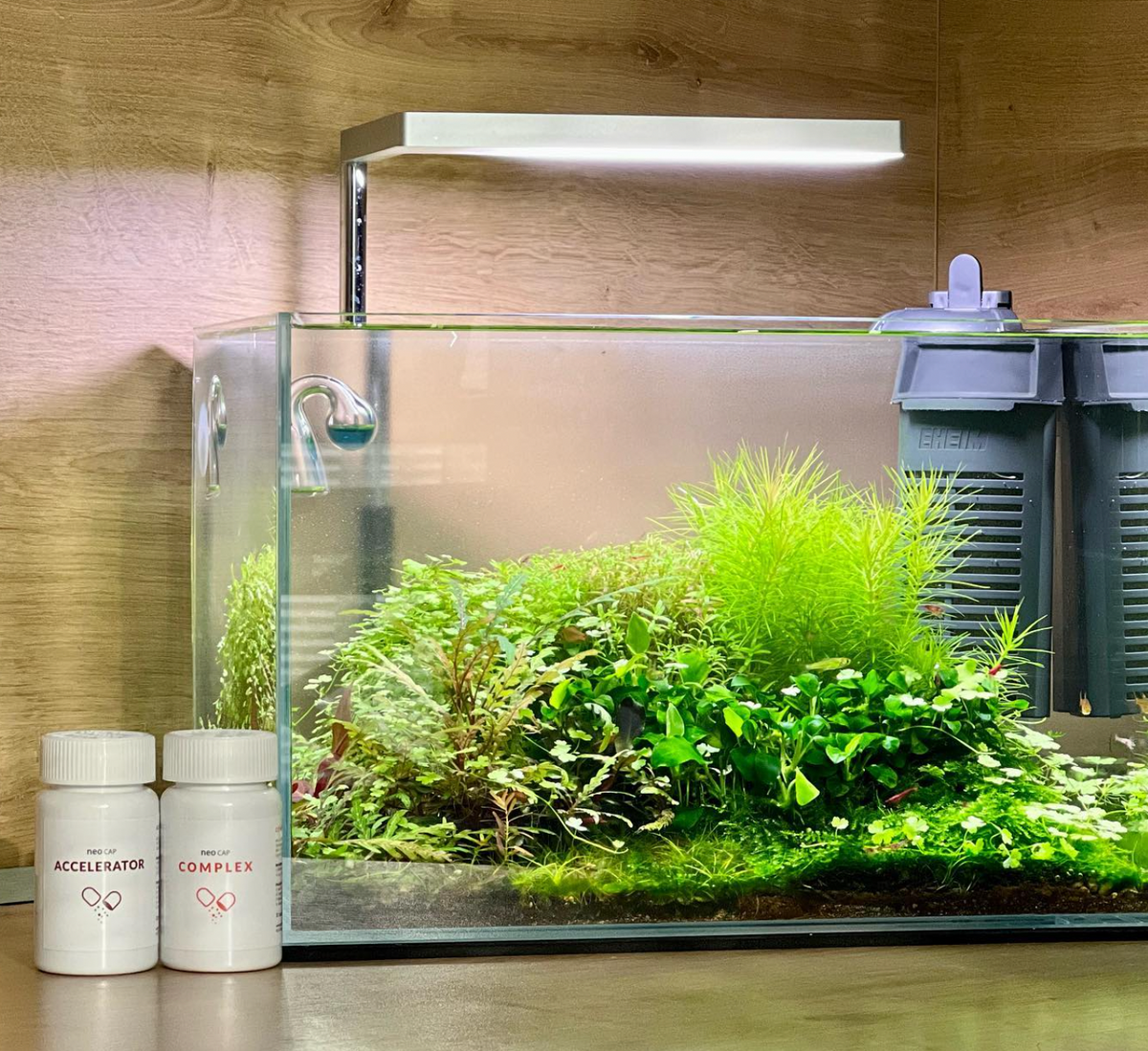
- For a nano tank under 40 liters, a conservative starting CO2 bubble rate is about 0.5 bubble per second or less. (Aquarium Lesson - CO2 Bubble Rate Guide)
- For a 150–250 liter planted tank, a conservative starting bubble rate is about 2–3 bubbles per second. (Aquarium Lesson - CO2 Bubble Rate Guide)
As a starting point, tanks of 40 to 60 gallons need about 1 bubble per second, 20 to 40 gallon tanks about 1 bubble every 2 seconds, and 10 to 20 gallon tanks about 1 bubble every 5 seconds. These are baselines only; use a drop checker to confirm CO2 levels and adjust the bubble rate to your tank's actual response.
Last updated: 8 September 2026
Introduction to CO2 Injection in Planted Aquariums
The question of "how many bubbles per second CO2 aquarium systems need" is pivotal for aquarists seeking to optimize their planted tanks. Carbon dioxide (CO2) injection is a sophisticated method that enhances plant growth by supplying essential carbon, necessary for photosynthesis. This process not only accelerates plant growth but also improves their health and vibrancy, contributing to a more balanced and natural-looking aquatic environment.
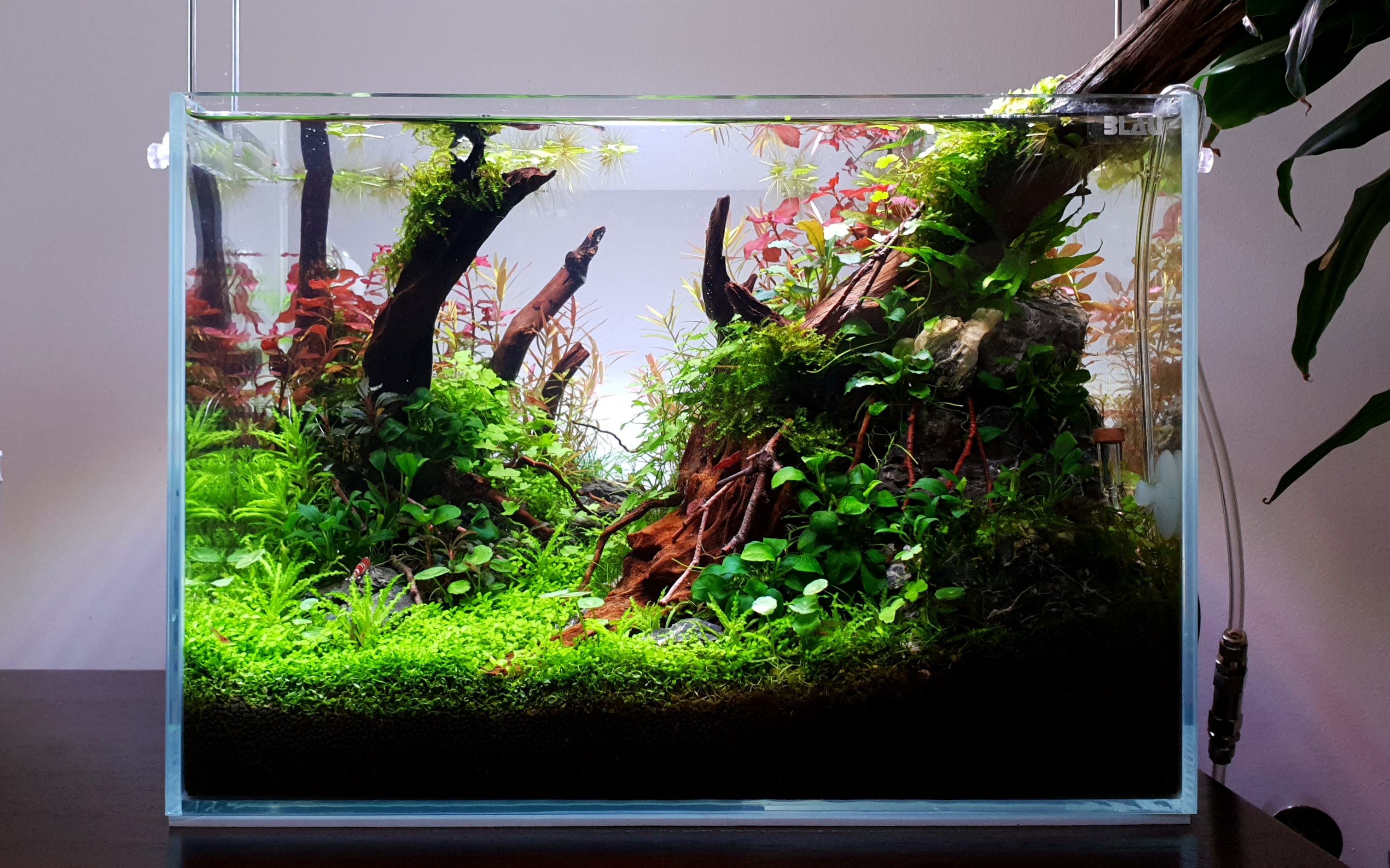
The concept of CO2 bubbles per second serves as a quantifiable measure, guiding aquarists to adjust their CO2 delivery to the precise needs of their aquatic plants. While the optimal rate may vary based on several factors including tank size, plant density, and water parameters, understanding the fundamental role of CO2 in aquatic plant photosynthesis is essential. This introduction aims to shed light on the complexities of CO2 supplementation, setting the stage for a deeper exploration of its benefits and applications in enhancing the aesthetic and ecological quality of planted aquariums.
Understanding the Basics of CO2 Injection
CO2 injection, pivotal for thriving planted aquariums, involves dissolving CO2 bubbles directly into the water, where they become readily available for plant uptake. For enthusiasts with smaller tanks, such as CO2 for 10 gallon tank setups, the balance of CO2 is delicate. These environments benefit from a nuanced approach to CO2 injection, where even a slight increase in the bubble rate can significantly impact the tank's carbon dioxide levels.
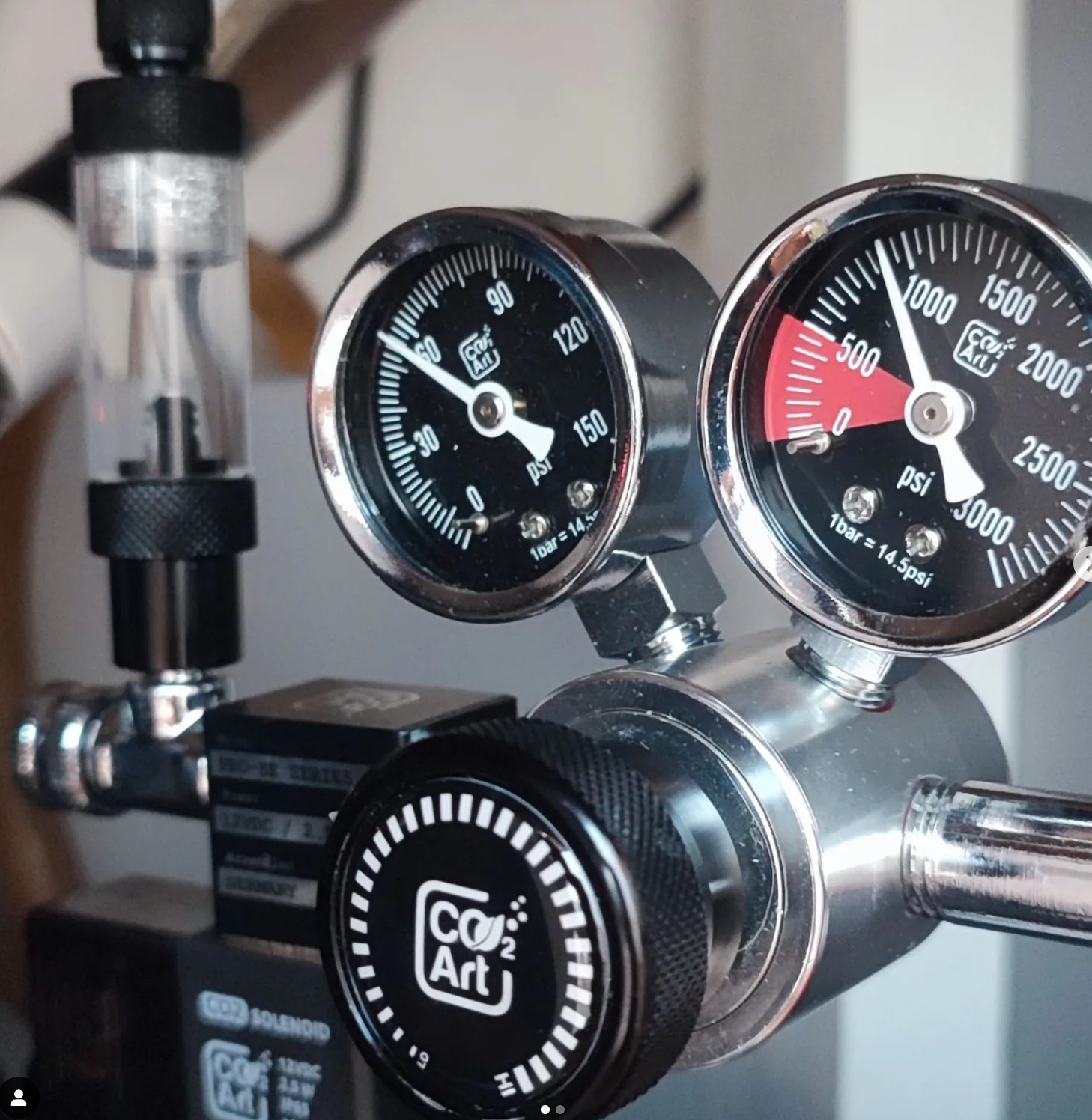
Establishing a reliable CO2 system, possibly with a 10 gallon CO2 tank, ensures that plants receive a consistent carbon supply, vital for their photosynthetic process. The goal is to mimic natural conditions, where plants have access to abundant CO2, thus promoting healthier, more robust growth. In natural reservoirs, the CO2 concentration is about 10-40 ppm (parts per million), while in aquariums, this value is only 2-3 ppm, and this is why we inject CO2 into our closed ecosystems. This section explores the mechanics behind CO2 injection systems, emphasizing the importance of precision in achieving the ideal aquatic environment for plant development and growth.
The Importance of CO2 for Aquatic Plants
In the context of planted aquariums, the significance of CO2 cannot be overstated. For larger setups, such as CO2 for 20 gallon tank configurations, the demand for CO2 increases proportionally with the volume and plant load of the aquarium. This elevated demand underscores the necessity for a more robust CO2 injection system capable of maintaining optimal levels of carbon dioxide across the entire tank. The benefits of adequate CO2 supplementation include enhanced plant growth rate, improved leaf coloration, and increased resistance to algae competition. Long story short: after installation of CO2 system, you can expect faster growth, stronger leaf color and generally a healthier look of your tank. Moreover, CO2's role extends beyond mere aesthetics; it's instrumental in creating a balanced aquatic ecosystem. By facilitating vigorous plant growth, CO2 injection helps to outcompete algae for nutrients, thus contributing to clearer water and a healthier environment for fish and other inhabitants.
How Many Bubbles Per Second? Establishing a Baseline
Determining the optimal CO2 bubbles per second for a planted aquarium involves considering various factors, including tank size, lighting intensity, and the specific needs of aquatic plants. Establishing a baseline is crucial for effective CO2 supplementation, as it directly influences plant growth and tank health. The CO2 concentration of 30 ppm (parts per million) is the aim we want to achieve in the aquariums; above 30 pmm, it is toxic to most aquarium inhabitants as the dissolved gas becomes carbonic acid and lowers the pH in the water column, with consequences for aquatic plants and fish. These symptoms can be erratic behaviour of fish, slowing down or swimming near the water surface gasping for air. Note that there are no two aquariums the same, and the recommended bubble rate is only a baseline. For instance, a 20 gallon CO2 tank might require a different bubble rate compared to smaller setups to achieve the desired concentration of CO2 in the water. This depends on different factors, such as the type, size, shape and depth of your tank, as well as the livestock; in other words, all of these move the number, so no single rate fits every aquarium. Achieving the right balance ensures that plants have access to sufficient CO2 for photosynthesis without causing distress to aquatic animals due to oversaturation. This delicate equilibrium is essential for fostering a thriving planted tank, where plants and fish can coexist in harmony, each benefiting from the carefully adjusted conditions within their aquatic environment. If you see thin stems, small pale leaves or algae building up on plants, the CO2 injection rate is usually too low to meet your tank's requirements.
The Critical Role of the Bubble Counter in CO2 Systems
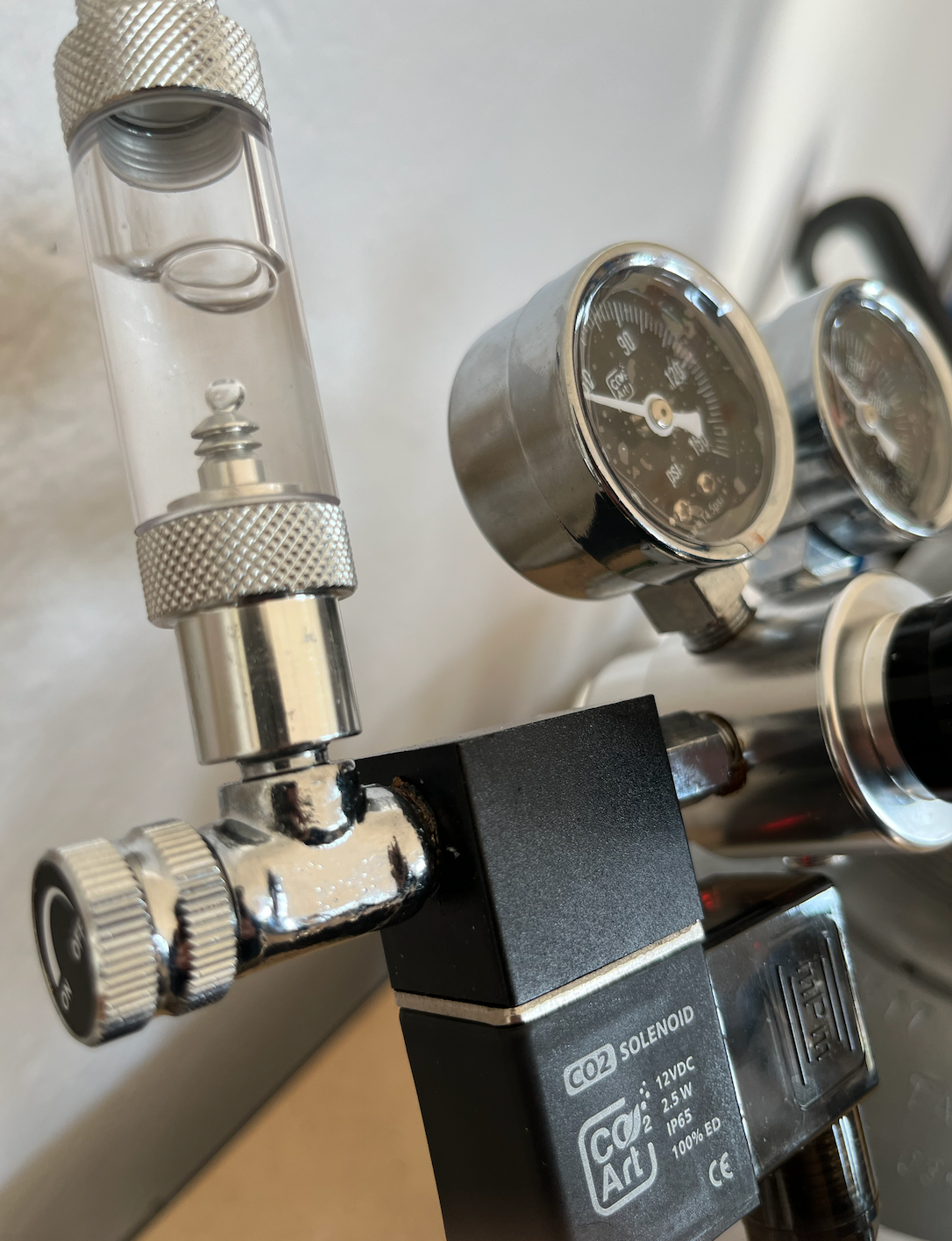
A bubble counter serves as an essential tool in any CO2 injection system, offering a visual indicator of the rate at which CO2 gas is being introduced into a planted aquarium. By counting the bubbles, aquarists can precisely adjust the CO2 levels, ensuring that the aquatic plants receive the right amount of carbon dioxide necessary for optimal growth without compromising the safety of the fish. The bubble counter is often integrated with a check valve to prevent liquid backflow, protecting the regulator and ensuring consistent gas delivery. Furthermore, the needle valve plays a pivotal role in conjunction with the bubble counter, allowing for fine adjustments to the bubble rate, which is crucial under high lighting conditions where plants' demand for CO2 increases. Regular monitoring and adjustment through the bubble counter ensure that the CO2 injection system operates efficiently, fostering healthy plant growth and robust gas exchange in the aquarium ecosystem.
Utilizing Drop Checkers for Accurate CO2 Monitoring
A drop checker is an invaluable device for monitoring CO2 levels in a planted aquarium, providing a simple yet effective method to ensure that plants and fish thrive under balanced conditions. This visual indicator uses a liquid solution, often with a pH indicator and mineral oil, to reflect the CO2 levels within the tank. The color change within the drop checker offers a direct insight into the aquatic environment's gas concentration, allowing aquarists to adjust their CO2 systems as needed.
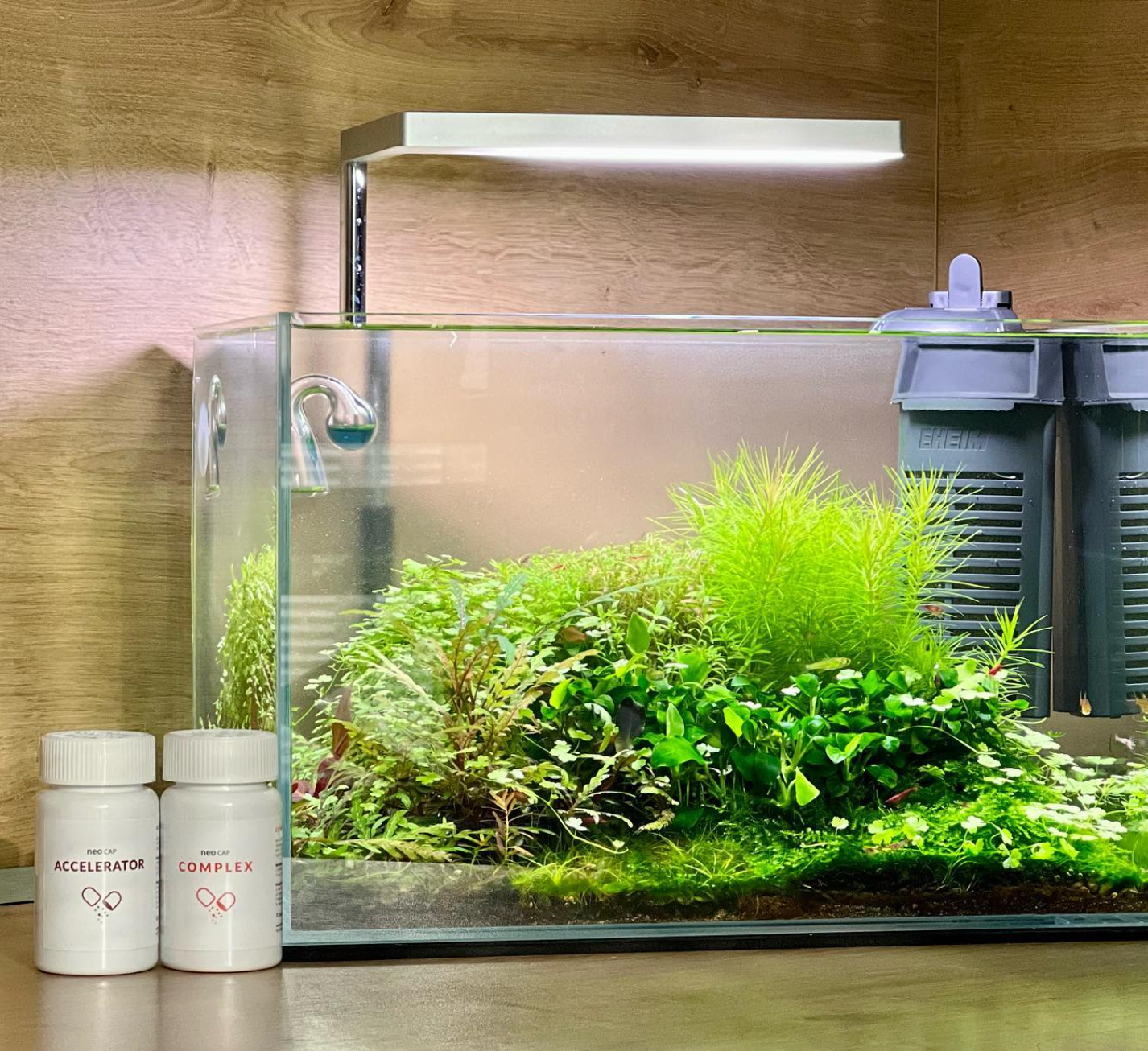
Whether dealing with high lighting scenarios or aiming for precise gas exchange, the drop checker acts as a critical complement to the bubble counter, ensuring that the aquarium maintains optimal conditions for both plants and fish. Its use becomes particularly important in systems with inline diffusers, where direct observation of CO2 dispersion might be challenging.
Adjusting CO2 Flow with Needle Valves and Regulators
Fine-tuning the CO2 flow in planted aquariums is essential for fostering a healthy environment for both plants and aquatic life. The use of needle valves and regulators is key in this process, providing aquarists with the ability to make precise adjustments to the CO2 gas flow. We recommend using all components in your CO2 system manufactured by one brand- note that fittings from different brands don't always match, batches change and also in case of any issues, you can always get support that comes from a single place.
When setting the bubble rate, it's important to start with suggested values and then adjust based on the specific needs and conditions of your aquarium. For instance, as a general guideline, aquariums ranging in size from 40 to 60 gallons might start with a rate of 1 bubble per second. Medium-sized tanks, from 20 to 40 gallons, could begin with 1 bubble every 2 seconds, and smaller tanks, between 10 to 20 gallons, might start with 1 bubble every 5 seconds.
However, these rates are merely starting points. Each aquarium is unique, with varying plant loads, lighting conditions, and biological demands. Therefore, closely monitoring your tank’s response to CO2 adjustments is crucial, particularly through the use of a drop checker. This tool offers a visual representation of CO2 levels in the water, allowing for more informed adjustments to the bubble rate. If the drop checker indicates too much CO2, you can decrease the bubble rate; if it shows not enough, you can increase it. This process of monitoring and adjustment ensures that your aquarium maintains an optimal level of CO2, tailored to the specific needs of your aquatic ecosystem, thereby promoting vibrant plant growth and maintaining the well-being of your fish. The counter makes the flow visible and you change the bubble rate with just a slight turn of the needle valve. Also you cound bubbles over a timed stretch rather than guessing. Change the rate in small steps and wait a dat before judging the result - the drop checker answer is slow so making an adjustment too early can cost you the algae outbreak.
The Integration of Inline Diffusers for Enhanced CO2 Dissolution
Incorporating an inline diffuser into a planted aquarium's CO2 setup represents a significant advancement in ensuring efficient CO2 dissolution and distribution. Unlike traditional diffusers that release CO2 gas directly into the tank, an inline diffuser connects to the output line of the canister filter, mixing CO2 with water before it re-enters the aquarium. This method allows for a more uniform dispersion of CO2 bubbles throughout the tank, crucial for plants exposed to high lighting conditions that demand a consistent CO2 supply for photosynthesis.
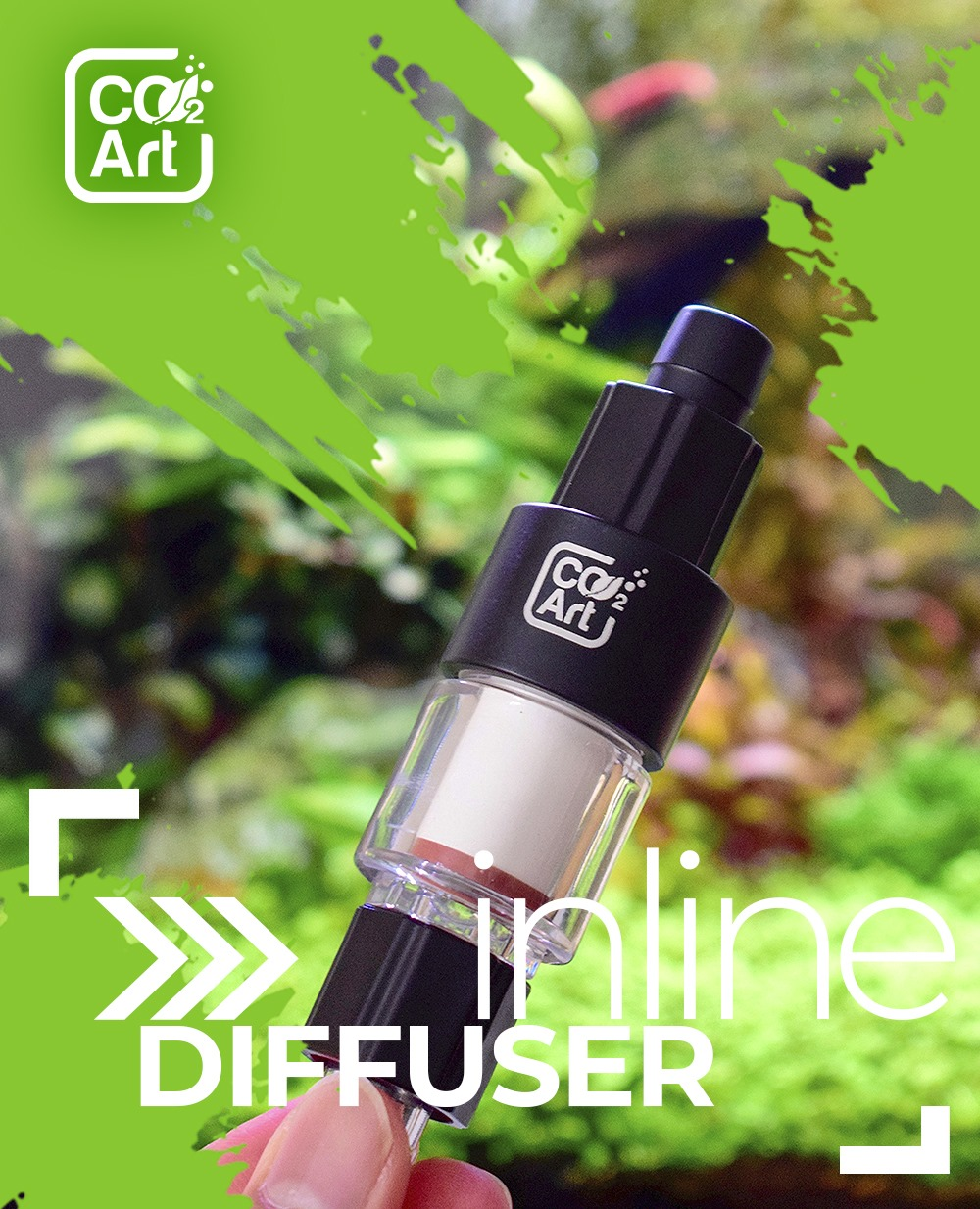
The inline diffuser also aids in maintaining aesthetic cleanliness by keeping equipment out of the main display, focusing attention on the vibrant plant life and fish within the naturalistic setup. Regular maintenance of the inline diffuser, especially monitoring for any clogged pathways that may impede CO2 flow, is essential to sustain the desired bubble counter rate and ensure effective gas exchange in the aquarium.
To sum up: the Complete Kit with an Inline diffuser is an excellent choice for CO2 diffusion if you have an external filter; it keeps the hardware out of the tank. In case your aquarium is not run by an external canister filter, you can use an in-tank diffuser instead- for example the Flux Bazooka model, which comes in two sizes: small and large.
Maximizing Plant Growth with High-Quality CO2 Regulators
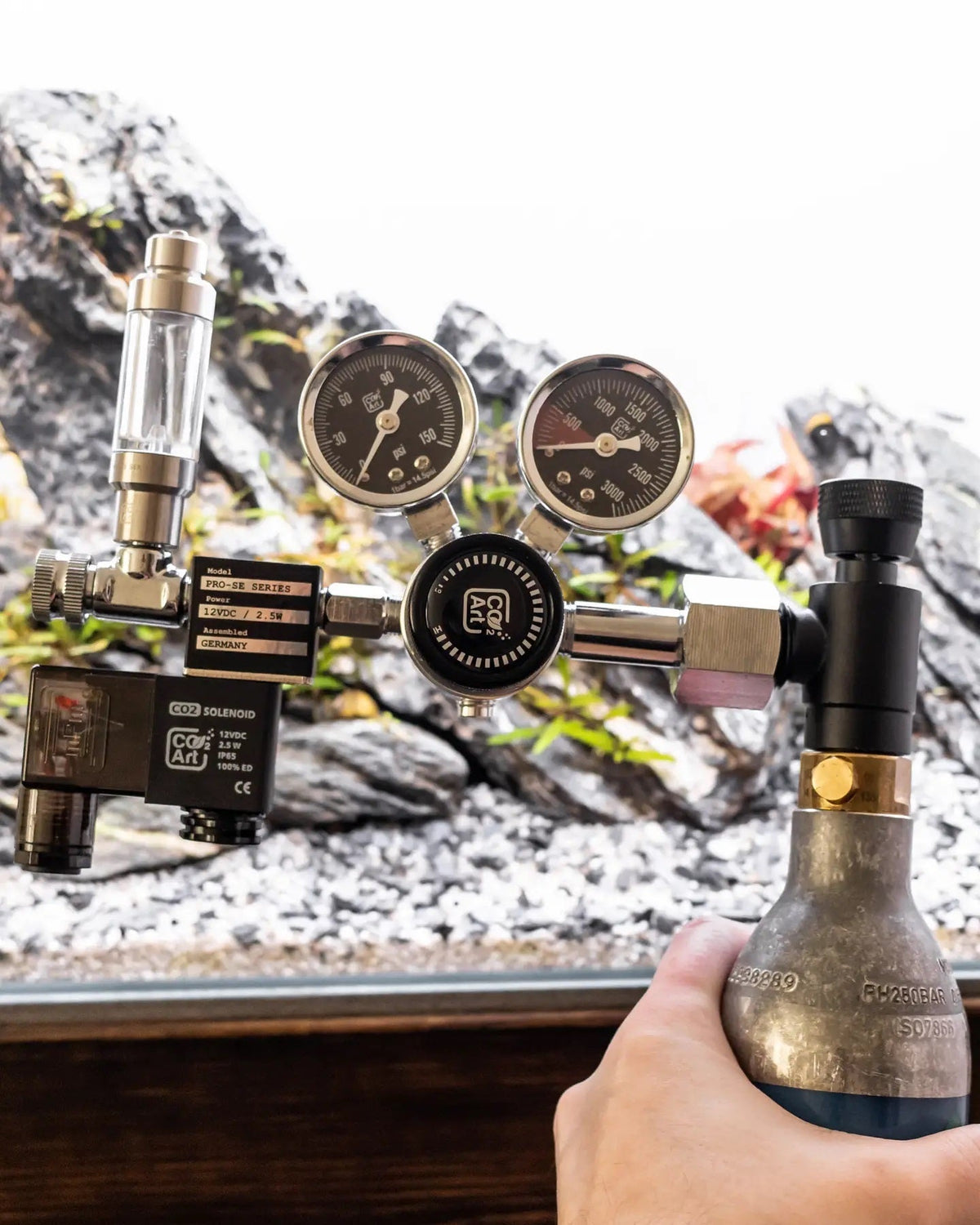
The heart of an effective CO2 injection system lies in the use of high-quality CO2 regulators equipped with high precision needle valves. These components are vital for modulating the CO2 gas flow into the aquarium, allowing for meticulous adjustments that are reflected in the bubble counter's readings. A regulator ensures that CO2 is delivered at a consistent pressure, while the needle valve allows for fine-tuning of the CO2 bubbles per second, crucial for meeting the photosynthetic needs of aquatic plants under varying light conditions.
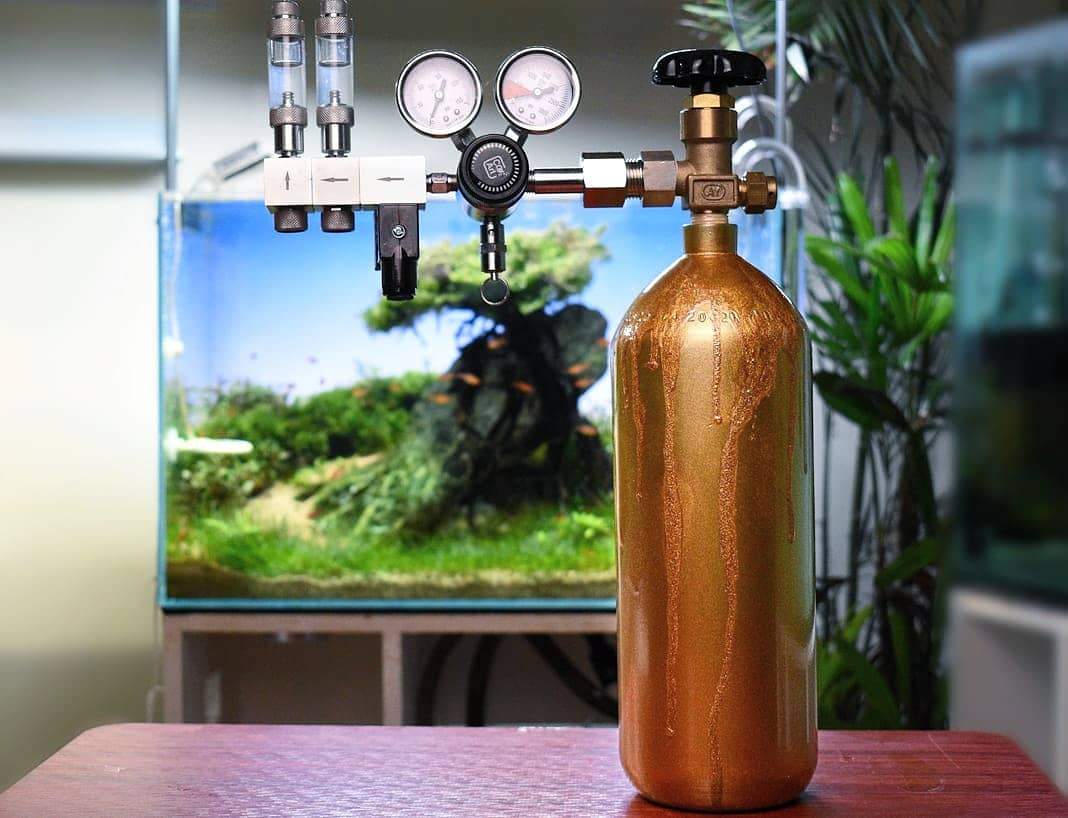
The precision offered by these tools is indispensable, particularly in aquariums where plants are subjected to high lighting, requiring a stable and adequate CO2 supply to thrive. Ensuring that the CO2 system components, including the check valve and solenoid valve, are of high quality and properly maintained, underpins the success of aquascaping endeavors, promoting lush, healthy plant growth while maintaining a safe environment for fish and other aquarium inhabitants.
In our range you can find two models: the Pro-SE is the single-diffuser regulator built for precise dosing; the Pro-Elite feeds several diffusers from one bottle through manifold blocks. Each manifold is equipped with a needle valve, allowing individual CO2 dosing through each outlet. Both models are trusted by thousands of aquascapers around the world and our customer service is always there to help you with any issues along the way.
CO2 Essentials That Make the CO2 System Complete
Apart from the CO2 regulator and the diffuser, there are three more components that make the system fully operational and convenient to run: a solenoid valve, tubing, check valve and the aforementioned bubble counter.
The solenoid valve is responsible for cutting off power, so pairing it with the timer and lights is a great way of making the system automatic.
Check valve prevents water backflow when the solenoid is off, keeping your system and electronic valve safe.
And to connect the components all together safely, CO2-resistant, high-quality tubing is obligatory. Weaker materials, such as silicone, can leak gas and become brittle over time.
Monitoring CO2 Levels with Drop Checkers for Plant Health
A drop checker is an indispensable tool for accurately monitoring CO2 levels in planted aquariums. It provides a visual indicator of the CO2 concentration, using a liquid solution that changes color based on the amount of dissolved CO2 gas in the water. This simple yet effective device helps aquarists ensure that their plants are receiving the optimal amount of CO2 for photosynthesis, especially crucial in tanks with high lighting where plants' CO2 demands increase.
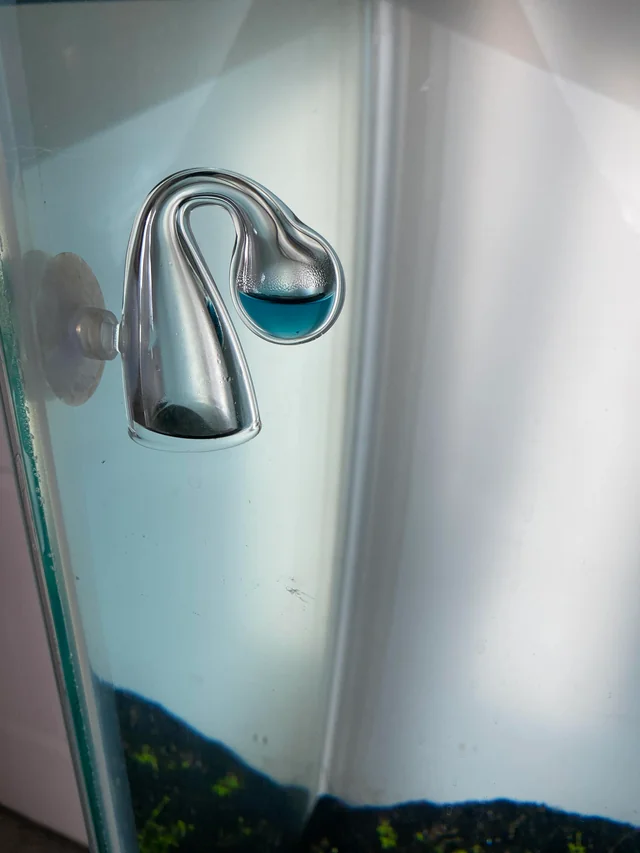
By adjusting the CO2 input based on the drop checker’s feedback, aquarists can prevent CO2 fluctuations that might stress fish and compromise plant health. Regularly checking the drop checker and maintaining it with fresh indicator liquid and mineral oil ensures accurate readings, aiding in the fine-tuning of CO2 supplementation to support vibrant aquatic plant growth and maintain a balanced ecosystem within the tank.
The reagent's color inside the glass chamber will change according to the CO2 concentration level: deep green is the level you want, blue means too little gas has been dissolved, yellow means too much and puts the fish in danger- an immidiate water change may be needed.
The Consequences of a Clogged CO2 Diffuser on Aquarium Ecosystems
A clogged CO2 diffuser can significantly impact the performance of a CO2 injection system, affecting the bubble rate and overall CO2 distribution in the tank. Over time, diffusers can become obstructed with algae or mineral deposits, reducing the efficiency of CO2 dissolution into the water. This reduction can lead to insufficient CO2 availability for plants, hampering their ability to perform photosynthesis, especially in environments with high lighting where the demand for CO2 is elevated. Consequently, plants may exhibit stunted growth or lose their vibrant colors, while algae may gain an upper hand due to the imbalanced gas exchange conditions. Regular maintenance, including cleaning the diffuser with liquid solutions designed to remove buildup, is critical to ensuring the consistent performance of the CO2 injection system, supporting plant health, and maintaining the aesthetic appeal of the aquarium. If the diffuser's performance is still decreased after cleaning, replacing the membrane is possible: in case of the Inline Diffuser and IO Diffuser, a replacement membrane is interchangeable, so a clogged diffuser doesn't mean a new diffuser but simply ordering the replacement membrane itself.
Enhancing Gas Exchange with Proper Aquarium Ventilation
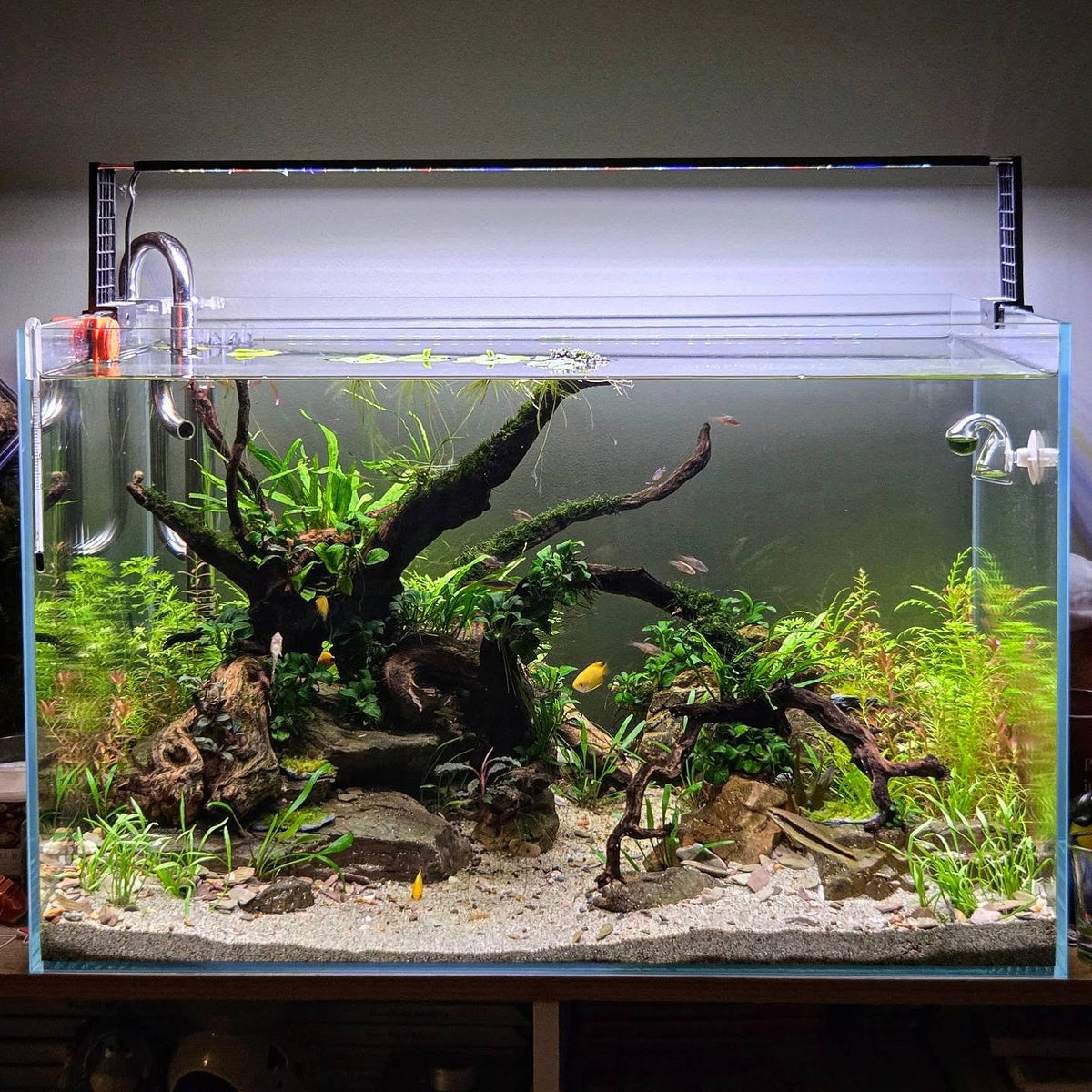
Effective gas exchange in a planted aquarium is crucial for maintaining CO2 levels and ensuring adequate oxygenation for fish. While CO2 injection systems, including inline diffusers, enrich the water with carbon dioxide for plants, they must be balanced with mechanisms that promote oxygen exchange to support aquatic life, for example using a solenoid installed on a timer, stopping the injection for non-light hours and the aforementioned increased surface agitation. Strategies such as positioning the output of canister filters to create surface movement can enhance oxygen gas exchange without significantly off-gassing CO2, maintaining a healthy environment for both plants and fish. Implementing a solenoid valve in the CO2 system to regulate CO2 injection times, typically during light periods, can also optimize gas exchange and prevent CO2 over-saturation during times when plants are not photosynthesizing, ensuring a harmonious balance within the tank. Intense growth is something we all dream about and there is nothing better than tetras, rasboras, or dwarf gouramis swimming happily among densely growing plants!
The Importance of Gas Quality
When setting up the CO2 system, you can use different types of cylinders available on the market: these can be normal refillable bottles (with a CGA320 thread in North America), pub bottles, fire extinguishers, or Sodastream/Paintball bottles - all will work and you will want to use a food-grade cylinder with 100% carbon dioxide for the health of your regulator. Note that in case of specialist type valves (like Sodastream or Paintball type), you will also need an adapter to safely connect your regulator.
How to properly start the injection
Before adding CO2 to your tank, remember to soak the diffuser for at least 4 hours so it opens all the pores. Connect the diffuser with tubing to the bubble counter and start pressurizing the system:
- Make sure the CO2 cylinder is turned off, the regulator front dial is turned fully anticlockwise and the needle valve is completely closed.
- Connect the tank to the regulator stem and tighten it with an adjustable wrench or a 27mm spanner.
- Turn on the main tank valve (you will see the reading on the high pressure gauge only)
- Turn on the front diall to about 40-50 psi on the working pressure gauge (if used with CO2Art diffuser)
- Switch on the solenoid valve
-
Slowly open the needle valve and set the desired bubble rate. Change if necessary according to the drop checker reading after a few hours.
Remember that placement of your diffuser is very important when using an in-tank diffuser. Place it under the filter outlet so the outflow carries the CO2 mist accross the aquarium, and the drop checker goes at the opposite end to reflect the CO2 concentration in the whole tank.
Also remember to use a CO2-rated tubing to prevent unexpected leaks.
Which plants benefit from CO2, and what to do without it
Plant groups that respond to injection
Not every aquarium plant needs CO2 injection. Added CO2 can encourage growth, stronger colour and new shoots, but healthy development depends on balancing three factors: carbon, light and fertiliser.
The below guide presents four groups:
-
Carpeting: A good example here is Amazon Sword. It tolerates low light. Carpeting plants generally need light that reaches the substrate and trimming as growth demands.
-
Stem: Myriophyllum Mattogrossense suits the centre or background. Good Cut back the tops and replant them for fuller growth; the remaining stems produce new shoots.
-
Rosette: Look for Anubias species: This can be Anubias nana, also named Anubias Barteri Var. Nana. It is easy to maintain but slow-growing. Attach it to rocks or driftwood, keeping its rhizome uncovered.
-
Floating: Water lettuce (Pistia Stratiotes) provides shade and shelter. Thin it periodically.
Carpet plants in a low-tech tank
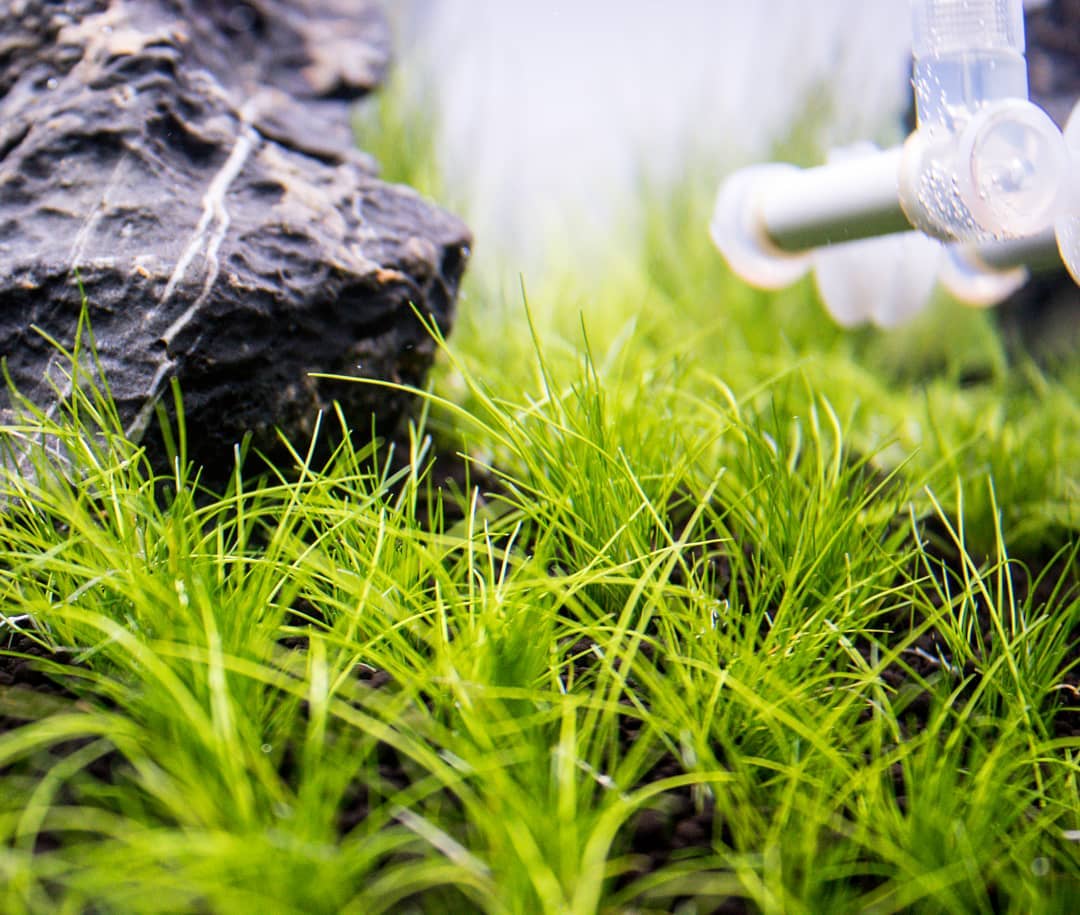
A suitable carpet can fill in without injected CO2 but it simply takes longer. Start with a full-spectrum LED light, adjusting its intensity and duration to the plants rather than assuming more light means better growth. Make sure light reaches the bottom.
Use a fine, nutrient-rich soil substrate so roots can establish readily. Keep water parameters stable, monitor nutrients and give the planting time to settle. Small, spaced clumps allow room for spreading while letting light reach their bases.
Trim patiently and lightly as the carpet develops. Regular gentle cuts encourage sideways growth and help prevent taller patches from shading neighbouring plants. Soil also contributes some natural carbon: as organic matter in the substrate breaks down, it releases a bit of CO2. This supports growth but the results are far from the controlled CO2 injection.
Liquid carbon and its limits
The low-tech tanks often use liquid carbon to supply carbon and kill some algae, but it is less effective than injected CO2. Follow the product’s dosing instructions: overdosing can harm both plants and livestock. Treat it as a limited supplement, rather than an equivalent replacement for a gas system.
If you decide to inject CO2, return to the starting rates in the first section.
Conclusion: Balancing CO2 Injection for Thriving Planted Aquariums
Achieving a balanced CO2 injection in planted aquariums requires careful consideration of plants' needs, aquarium size, light levels, and the well-being of fish. From choosing the right equipment, like high-quality CO2 regulators and needle valves, to monitoring CO2 levels with a drop checker, each step is vital in creating a lush, vibrant underwater garden. Regular maintenance of components, such as cleaning clogged CO2 diffusers, ensures the system’s efficiency. By meticulously adjusting CO2 bubbles per second, aquarists can foster an environment where aquatic plants flourish and fish thrive, showcasing the beauty and complexity of nature within the confines of a tank. The journey of mastering CO2 injection is both a science and an art, leading to the ultimate reward of a thriving planted aquarium.
Any questions? Our Customer Service is always ready to answer them! Contact us directly via support@co2art.us!
Starting CO2 bubble rate by tank size
| Tank size | Starting bubble rate |
|---|---|
| 10 to 20 gallon | 1 bubble every 5 seconds |
| 20 to 40 gallon | 1 bubble every 2 seconds |
| 40 to 60 gallon | 1 bubble per second |
Frequently asked questions
How many bubbles per second does a 20 gallon tank need?
Start a 20 gallon tank with 1 bubble every 2 seconds and hold it for a few days. Then read the drop checker: green means the level is about right, blue means too little, yellow means too much, so open or close the needle valve a small step at a time.
How many bubbles per second for a 10 gallon tank?
A 10 gallon tank is small, so start slow: with 1 bubble every 5 seconds. Small volumes swing fast, so move the needle valve a little at a time and give the tank a full day before judging the drop checker colour.
How do I count bubbles per second in a bubble counter?
Fill the bubble counter with water to its marked line, then watch the gas rise and count against a clock or a phone timer. One bubble as each second ticks is a rate of 1 bubble per second. Count over a longer stretch when the rate is slow.
Is the bubble rate the same on every CO2 system?
No. The count depends on the tank volume, plant absorption, water circulation and other water parameters. Treat it as a repeatable setting on your own system, not a measurement, and confirm it with a drop checker.
How do I increase CO2 in the aquarium safely?
Open the needle valve a small step, wait a day, then read the drop checker again. Raising the rate in small steps protects the fish, and better dissolution, from an inline diffuser or a reactor, often raises the level in the water without adding bubbles at all.
What are the signs the bubble rate is too high?
Fish gasping at the surface or hanging near the filter outflow, and a drop checker that has gone yellow. Turn the needle valve down straight away, add surface movement, and creep back up only once the checker stays green through the whole lighting period.
Sources
- Pedersen, Colmer & Sand-Jensen — Underwater photosynthesis of submerged plants: recent advances and methods (Frontiers in Plant Science, 2013)
- UKAPS — CO₂ Measurement Using a Drop Checker
- Aquarium Lesson - CO2 Bubble Rate Guide
A bubble rate is only as steady as the regulator holding it. A dual stage regulator with a precise needle valve and a bubble counter lets you set a rate and keep it there day after day, and the built-in check valve keeps water out of the line. The rate still needs confirming with a drop checker, because the bubble counter shows what leaves the cylinder, not what dissolves in the tank. See the product.
If you are setting a bubble rate for the first time, a complete kit keeps the regulator, bubble counter and diffuser matched to each other: https://www.co2art.us/collections/complete-kits/products/pro-se-series-complete-aquarium-co2-system-with-in-tank-flux_-diffuser
Share:
The role of canister filter in aquarium
High Tech Planted Aquarium: Selecting the right aquatic plants