



The role of canister filter in aquarium
A canister filter is an external aquarium filtration system that draws water through a sealed container packed with mechanical, biological, and chemical media, then returns clean water to the tank. It handles higher water volumes than hang-on-back or internal filters, stays hidden from view, and is a common choice for planted aquariums.
Last updated: 27 August 2026
Key numbers
- Beneficial nitrifying bacteria used in biological filtration thrive in water above 55°F, per this source. (Filter media types and their role in the nitrogen cycle)
- Beneficial bacteria used in biological filtration need a water temperature above 55°F to thrive. (Filter media types and their role in the nitrogen cycle)
When it comes to maintaining a thriving planted aquarium, the question often arises: what is a canister filter? This type of filter is a staple in the aquascaping community, celebrated for its powerful filtration capabilities. Ideal for both freshwater and marine environments, a canister filter is an external filtration system that provides comprehensive mechanical, chemical, and biological filtration, essential for the delicate balance required in planted tanks.
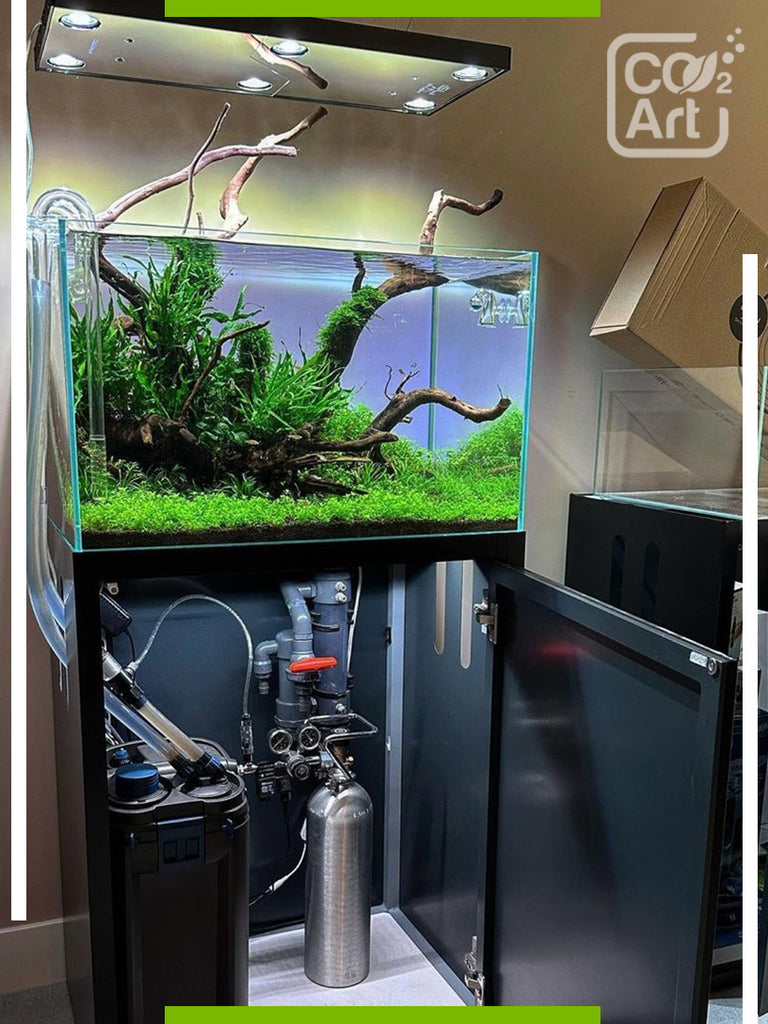
How Canister Filters Work
Understanding how does a canister filter work reveals the efficiency of this filtration method. Water is drawn from the aquarium and passed through a series of filter media contained within a sealed canister. This design allows for a thorough cleaning process, as water is forced through the media layers, removing debris, toxins, and impurities before being returned to the tank, crystal clear and healthy for plant and animal life.
Canister Filters vs. Other Filtration Systems
While an internal canister filter is an option, most aquarists prefer external canister filters for their superior filtration capacity and ease of maintenance. Unlike hang-on-back or internal filters, canister filters are capable of handling higher volumes of water and can be tucked away out of sight. This feature is particularly attractive for aquarists who desire an unobstructed view of their lush underwater landscape.

Customizing Filtration Media for Plant Health
The versatility of a canister filter comes to light when considering its use in different aquatic environments, including a canister filter for saltwater tank setups. But are canister filters better for planted aquariums? Absolutely. The customizable media baskets allow aquarists to tailor filtration to the specific needs of their plants and fish. Whether it's adding activated carbon to remove impurities or bio-media to foster beneficial bacteria, canister filters offer a level of customization that can significantly enhance the health and clarity of planted aquariums.
The Impact of Canister Filters on Water Clarity
Canister filters are renowned for their role in achieving crystal-clear water in an aquarium. Unlike power filters, which can be less effective in larger aquariums, canister filters excel in environments that demand extensive filtration.
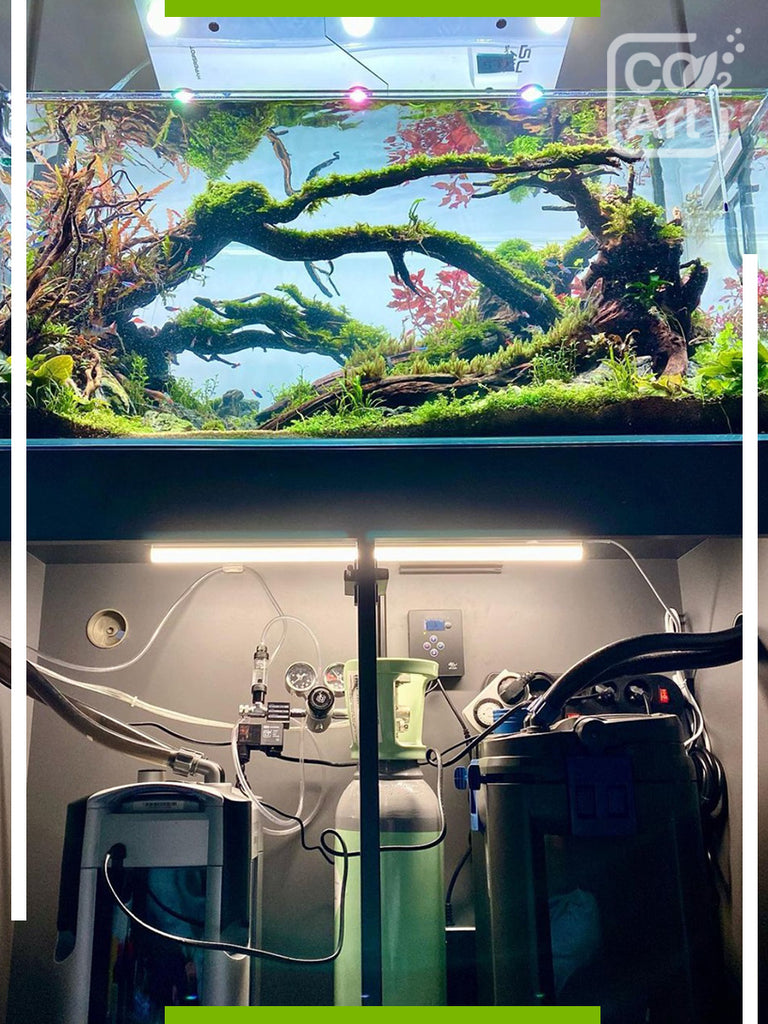
With their superior mechanical and chemical filtration capabilities, these systems efficiently remove particulate matter and dissolved impurities. The media within a canister filter plays a pivotal role; as drawing water through densely packed media, it ensures that even the smallest particles are captured, leaving the aquarium's water pristine and conducive to healthy plant and fish life.
Canister Filters and Nutrient Balancing
Effective filtration goes beyond just cleaning; it encompasses maintaining a balanced ecosystem within the tank. Canister filters provide comprehensive filtration solutions, crucial for managing the delicate balance of nutrients that plants and fish need to thrive.
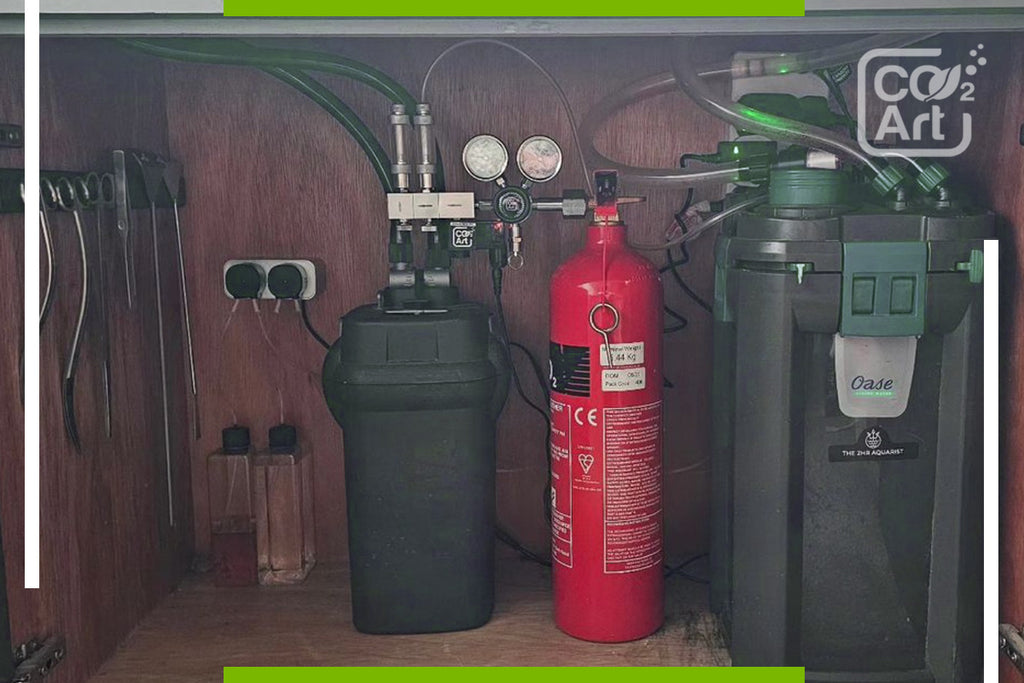
The customizable media baskets allow aquarists to address specific filtration needs, such as removing excess nutrients that could lead to algae problems, while preserving the beneficial nutrients that sustain plant growth. This balance is especially important in larger aquariums, where canister filters have the capacity to handle the substantial volume of water and filtration demands.
Canister Filters vs. Power Filters
When comparing canister filters to power filters, one must consider the size and needs of their aquarium. For hobbyists with larger aquariums, canister filters often become the go-to choice. The reason is their high capacity for various media and their ability to provide extensive mechanical, biological, and chemical filtrations. Additionally, canister filters are typically quieter and can be hidden from view, preserving the aesthetic of a beautifully crafted aquascape. They are also known for drawing water more efficiently from the main tank, ensuring a thorough turnover and contributing to a healthier environment for both plants and fish.
CO2 Distribution and Canister Filters
The use of canister filters in aquascaping goes beyond traditional filtrations; they can also enhance the distribution of CO2 in a planted aquarium. When equipped with a CO2 Inline diffuser, the canister filter can efficiently mix CO2 with the aquarium water before it is circulated back into the tank.

This integration ensures a more uniform distribution of CO2, essential for photosynthesis in densely planted setups. The result is a thriving aquarium where plants exhibit robust growth, providing a lush backdrop for the fish and mimicking their natural habitats more closely.
Why Use a CO2 Inline Diffuser in Your Aquarium
Incorporating a CO2 inline diffuser into your canister filter system has distinct advantages for a planted aquarium. This setup ensures CO2 is dissolved thoroughly as it merges with the tank's water flow, allowing for optimal absorption by aquarium plants.
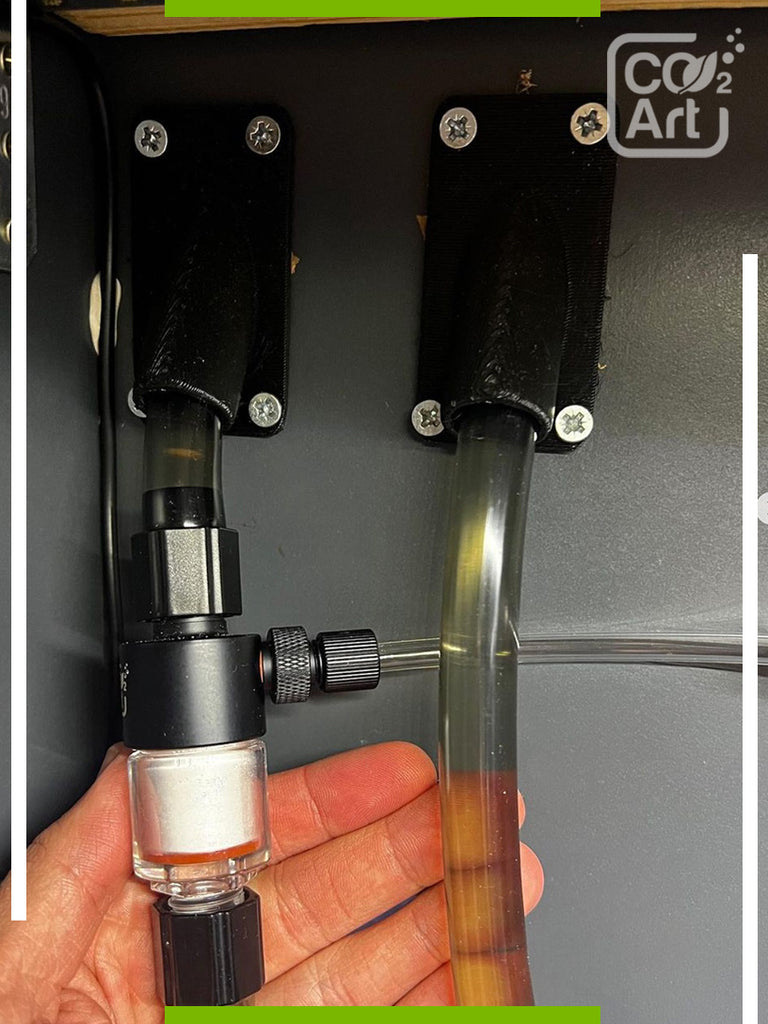
The inline diffuser is particularly beneficial as it saves space inside the fish tank and minimizes equipment visibility, keeping the focus on the natural beauty of the aquarium. Additionally, it can prevent the large bubbles often seen with in-tank diffusers, which can be less efficient and detract from the aesthetic of a Dutch aquarium or nature style tank.
Conclusion: Integrating Canister Filters Into Your Planted Aquarium Setup
Integrating canister filters into your planted aquarium setup offers a blend of aesthetic appeal, superior filtration capabilities, and crucial support for the health of your aquatic life. Their ability to be customized with various media types allows for a tailored approach to filtration, addressing the specific needs of your aquarium's ecosystem. When combined with accessories like CO2 inline diffusers, canister filters can significantly enhance plant growth and vitality, contributing to a thriving aquascape. Whether you're cultivating a Dutch aquarium, a nature style tank, or any other aquascaping style, a canister filter is a valuable tool in achieving the delicate balance required for a successful and beautiful planted tank.
Any questions? Our Customer Service is always ready to answer them! Contact us directly via support@co2art.us!
Frequently asked questions
What is a canister filter used for in an aquarium?
A canister filter cleans aquarium water by pulling it through layered media outside the tank, removing debris, toxins, and excess nutrients. It supports mechanical, biological, and chemical filtration in one unit, which makes it a common choice for planted tanks that need stable water quality.
How does a canister filter work?
Water is drawn from the tank through tubing into a sealed canister, where it passes through media layers such as filter floss, bio-media, and carbon. The cleaned water is then pumped back into the aquarium, giving the tank consistent turnover and clearer water over time.
Are canister filters better than power filters for planted aquariums?
Canister filters generally offer higher filtration capacity, quieter operation, and more customizable media options than power filters, which makes them well suited to larger or heavily planted tanks. Power filters can still work for smaller setups, so the right choice depends on tank size and plant load.
Can a canister filter help distribute CO2 in a planted tank?
Yes. When paired with an inline CO2 diffuser placed in the outflow line, a canister filter mixes CO2 into the water before it returns to the tank, giving more even distribution than many in-tank diffusers. This setup also keeps equipment out of view inside the aquarium.
Where to place inline CO2 diffuser?
A few inches from the canister filter return line seems to be the popular place. I have mine around 6" from the filter in the return line. Seems to work pretty well.
Sources
- Aquarium Flow Rate Guide: How Much Circulation Do You Need?
- Filter media types and their role in the nitrogen cycle
- CO2 inline diffuser placement in filter return lines
Pairing a canister filter with an inline CO2 diffuser lets the filter's own water flow dissolve and distribute CO2 evenly across the tank, instead of relying on bubbles rising from an in-tank diffuser. This works well in Dutch or nature-style aquascapes where equipment visibility matters and consistent CO2 delivery supports plant growth.