Aquascaping Blog

Guides and stories for planted-tank keepers.
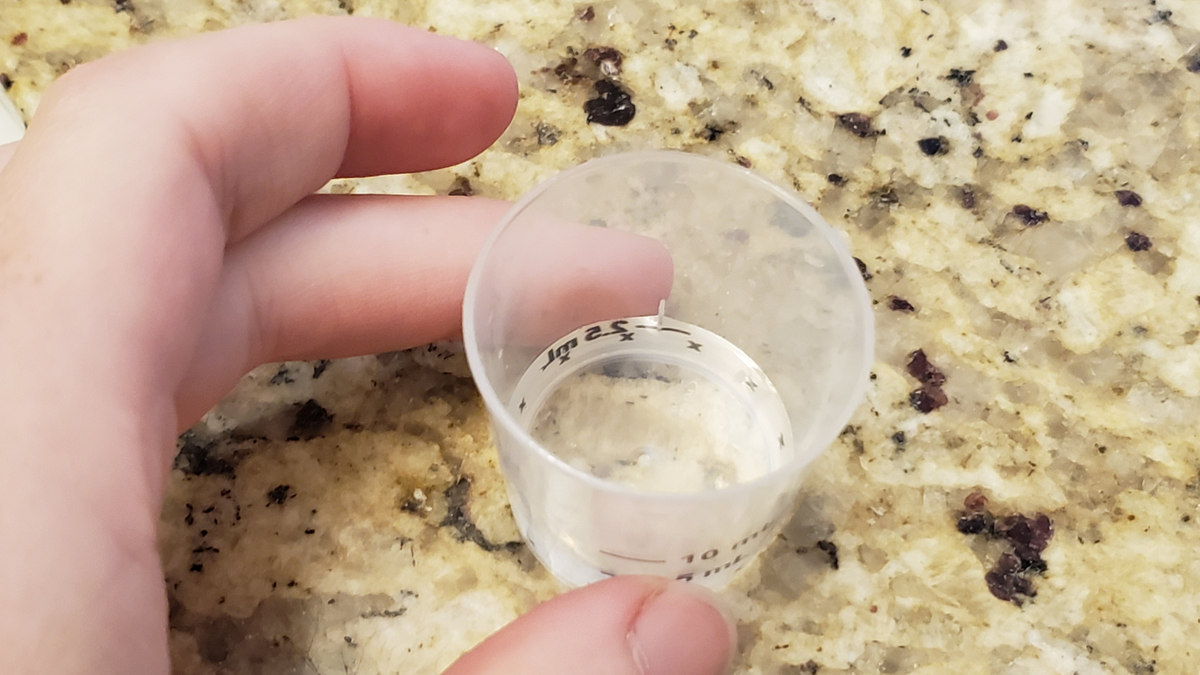
How to use liquid Carbon in your planted aquarium
How to use liquid Carbon in your planted aquarium

One of the most asked aquascaping questions entered into google these days is 'How to use co2 in aquarium'. This is because it is widely accepted that Carbon dioxide (CO2) is vital to the success of most plants. Their need to photosynthesize and create energy relies on having a steady carbon source and intense lighting. In the planted aquarium, we must provide Carbon in place of nature. Aquascapers and planted tank enthusiasts install pressurized CO2 gas systems when running high-tech tanks with many aquatic plants. This effectively turbo-boosts plant growth. However, only some people are willing to invest in a high-pressure system, especially if they are on a budget or need more space around the aquarium.

Read moreabout How to use liquid Carbon in your planted aquarium

aquarium shrimp

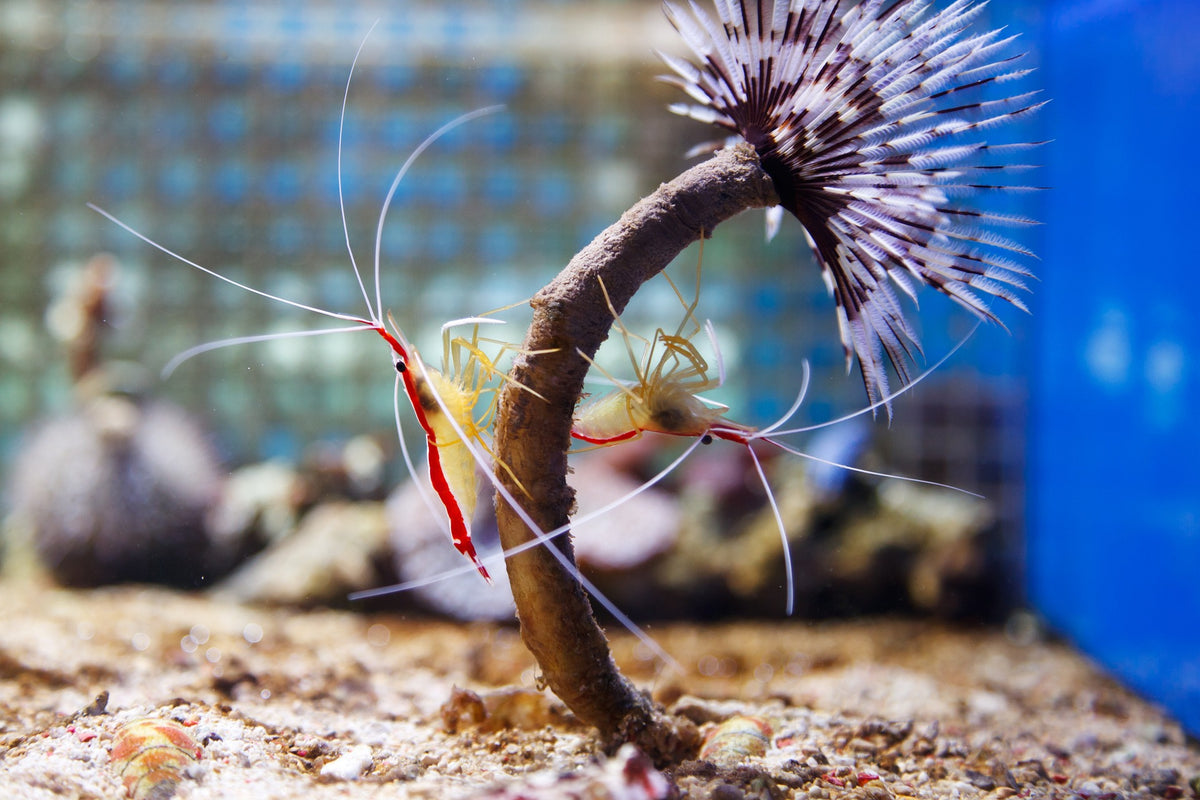
Shrimp bacterial infections

The priority in the breeding of shrimps and their import is the appropriate water quality, diet and stress factor. Below we present the types of infections in aquarium shrimps that you may face up one day in the one of your shrimp tanks!
 

Read moreabout Shrimp bacterial infections

Does liquid CO2 replace pressurized CO2 gas?

Does liquid CO2 replace pressurized CO2 gas?

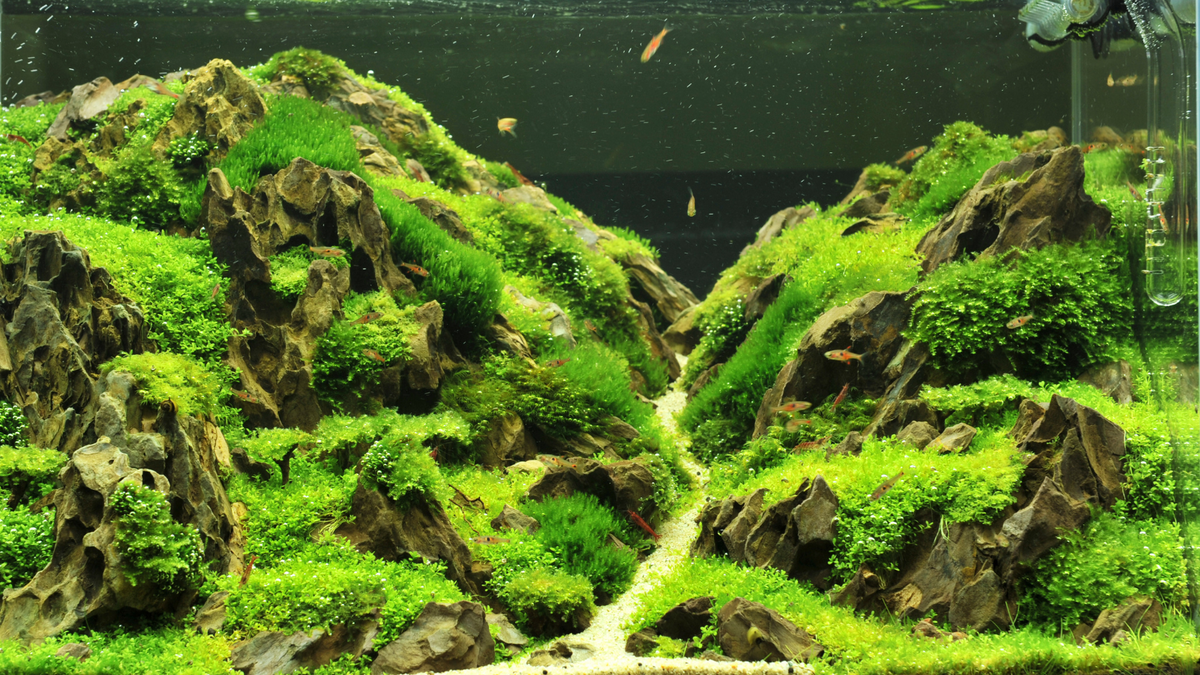
When it comes to planted aquariums, there are a lot of factors to take into consideration. However, one of the most important decisions is how you will fertilize your aquatic plants. There are a few different options available, but in this blog post, we're going to focus on two of the most popular: pressurized CO2 gas and liquid carbon. Both have pros and cons, so let's take a closer look at each.
Read moreabout Does liquid CO2 replace pressurized CO2 gas?

history of aquarium hobby

A short history of aquarium hobby

At what point in the history of mankind did man look at a fish as a being that could help to decorate the interior and give it a climate, and not as an object to eat? If we were to trace the history of cultivating fish in artificial reservoirs, we would travel a long way to ancient lands. However, cultivating them in ponds in ancient Mesopotamia, Egypt and Rome had nothing to do with the presentation of their aesthetic value but  only about fresh food.

Read moreabout A short history of aquarium hobby

fish pox

Fishpox in the freshwater aquarium

Fish diseases can appear in your aquarium at any time. They can be brought by any new fish on its body from the store and introduced to your aquarium without quarantine. It may also have developed due to negligence in the care of the aquarium. Improper water, too rarely cleaned aquarium, lingering remains - all this can lead to the development of diseases in fish. And one of the most common diseases that occur in freshwater fish is chickenpox.

Read moreabout Fishpox in the freshwater aquarium

blue yabby

Blue yabby in the freshwater aquarium
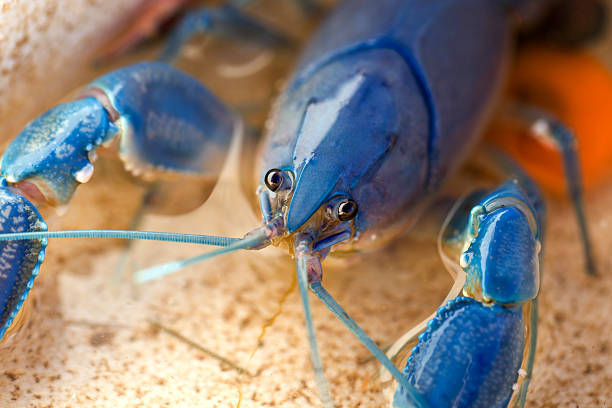
When choosing the inhabitants of a home aquarium, aquarists are often guided by the attractive external appearance of fish, shrimps, or other creatures. Common yabby (Cherax destructor) is undoubtedly an impressive species, which due to its appearance has become a popular choice of aquarium enthusiasts. 

Read moreabout Blue yabby in the freshwater aquarium

scape by chris oddy

Aquarium driftwood- the touch of nature
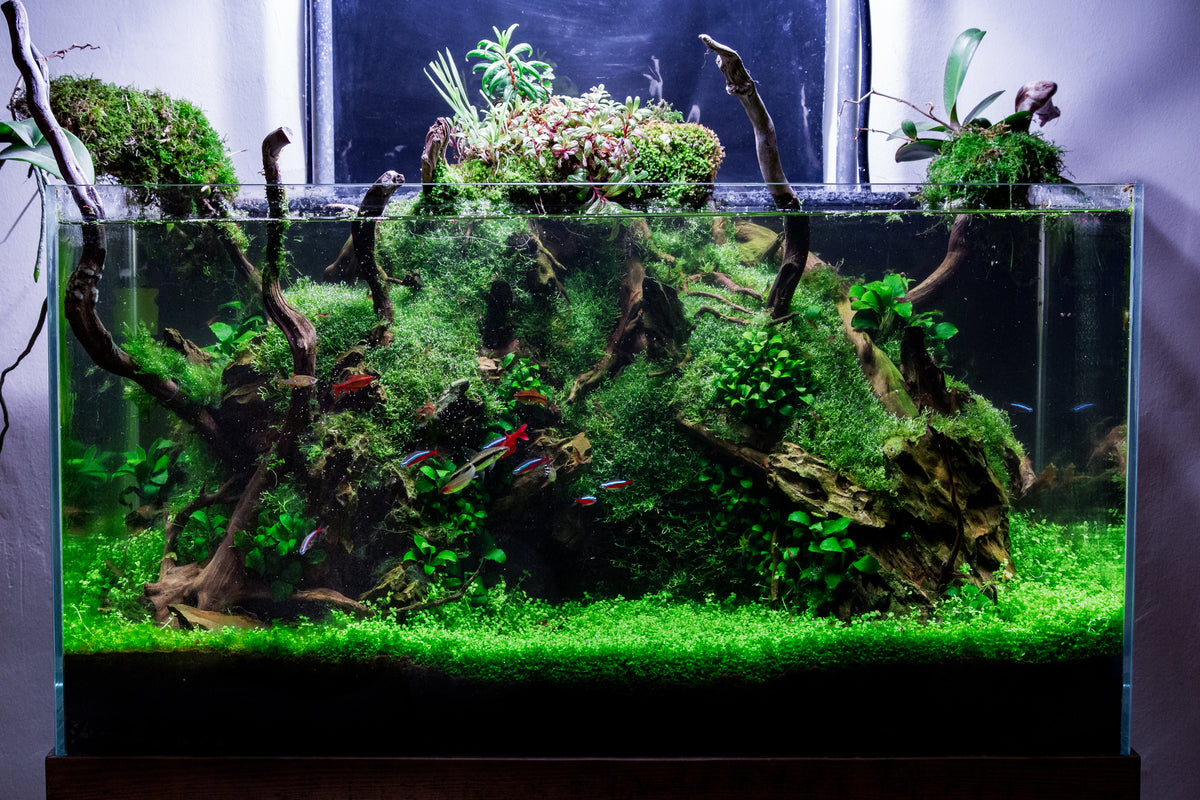
Nothing beats driftwood in recreating a natural environment. There is just something different about the scene created with it in the tank than without. Rocks and sand do just fine but adding driftwood to the design just takes it to a whole new different level.

Read moreabout Aquarium driftwood- the touch of nature

Ludwigia sediodes has a unique mosaic leaf pattern

Say hello to Ludwigia sedioides

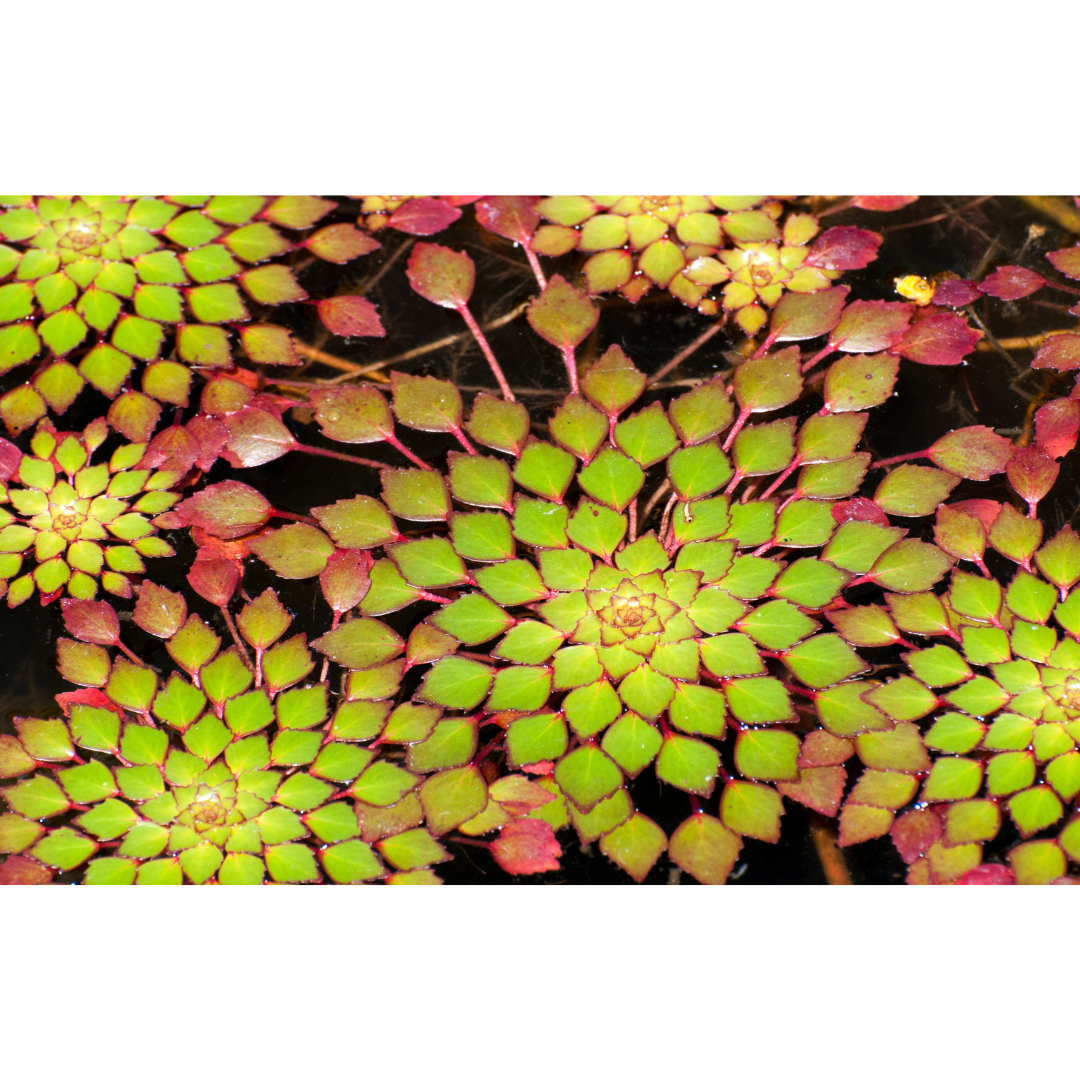
Not a lot of stem plants can top the beauty of Ludwigia Sedioides. Otherwise known as the Mosaic Plant, it is generally considered a stem plant, but it looks like it belongs to a family of Lotus or Nymphoides. Its diamond-shaped leaves need to reach the water's surface, where it clusters up, forming a rosette. So, the stem is bear with all its leaves found on the surface in clump a. From afar, clusters of this plant would look like Lotus leaves floating on the surface. 

Read moreabout Say hello to Ludwigia sedioides

blackwater aquarium

How to create a blackwater aquarium?

Known for its Black or Tea colored water, this type of planted aquarium has increased in popularity during the past few years. This set up imitates the soft, acidic, tannin filled waters found usually in South America, more specifically the Amazon.

Read moreabout How to create a blackwater aquarium?

dry start method

Dry start method in the aquarium: pros and cons

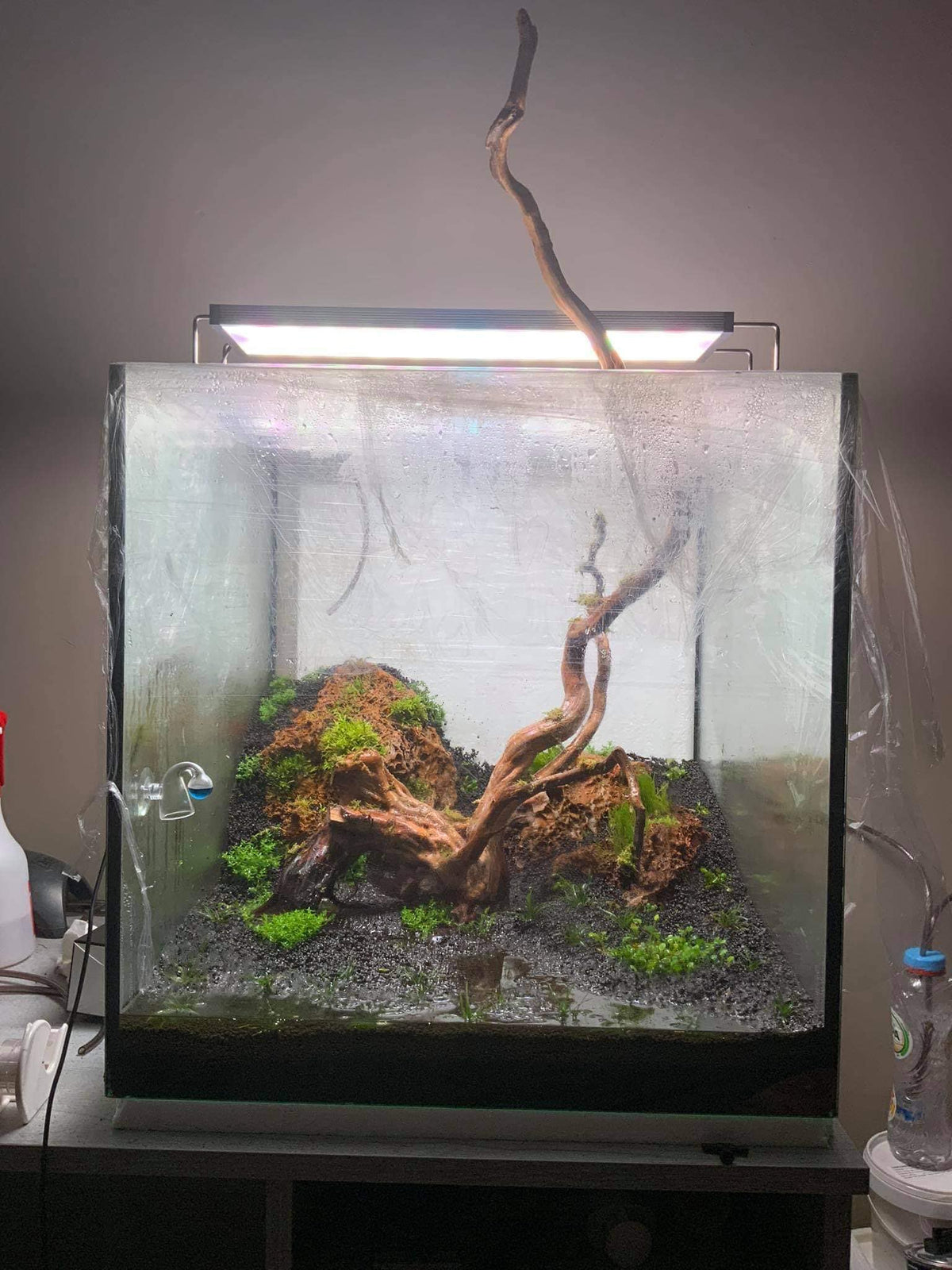
There is a trend that is being treated as the solution or a good alternative to algae problems commonly encountered in a newly set up planted tank. This is supposed to save trouble and time of having to wait for the plant growth and give that fully matured tank in an instant or almost. This is called “the Dry Start Method”. This is by no means a new method and has been used by experienced aquascapers for years. 

Read moreabout Dry start method in the aquarium: pros and cons

activated carbon

Using activated carbon in an aquarium

Activated carbon has been well known in the aquarium industry for years. Its simplicity makes it one of the best-selling filtering materials despite newer solutions constantly appearing. Nevertheless, opinions about activated carbon remain divided. Fishkeepers who use activated carbon do so because they feel it is the ideal medium to use continuously within a healthy aquarium. In modern filters, activated carbon is one of the best chemical filtration mediums for fresh and saltwater aquariums.
 

Read moreabout Using activated carbon in an aquarium

cloudy aquarium water

Cloudy water in the freshwater aquarium

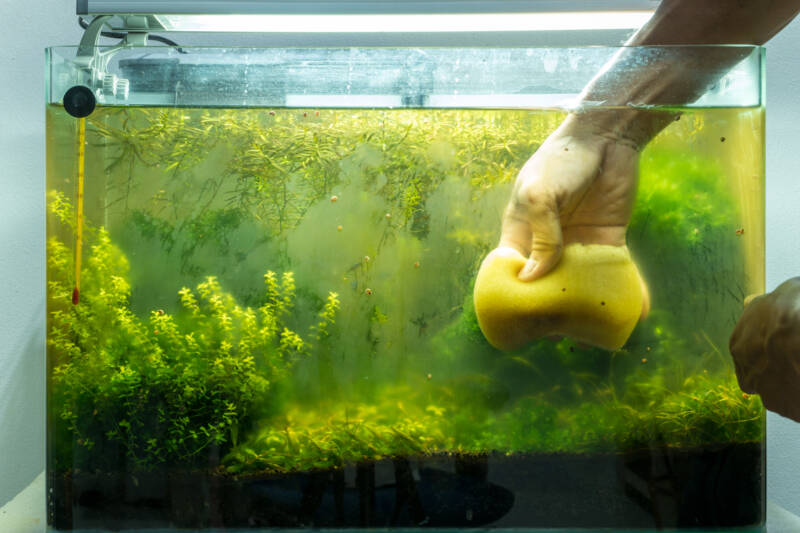
In most cases, we see cloudy aquarium water because of natural causes. The very first thing to do should be to prevent it before even occurring. There is no better way than controlling water parameters. Testing kits will let you know what you are struggling with and what steps you should implement. However if you notice the first symptoms of cloudy aquarium water there is plenty of possibilities to diagnose and treat it.

Read moreabout Cloudy water in the freshwater aquarium


My Wishlist

Loding your saved items

Don't lose your wishlist!

My Wishlist

Loding your saved items

Don't lose your wishlist!