Aquascaping Blog
Guides and stories for planted-tank keepers.
Troubleshooting for green and cloudy water
Ammonia testing for water quality
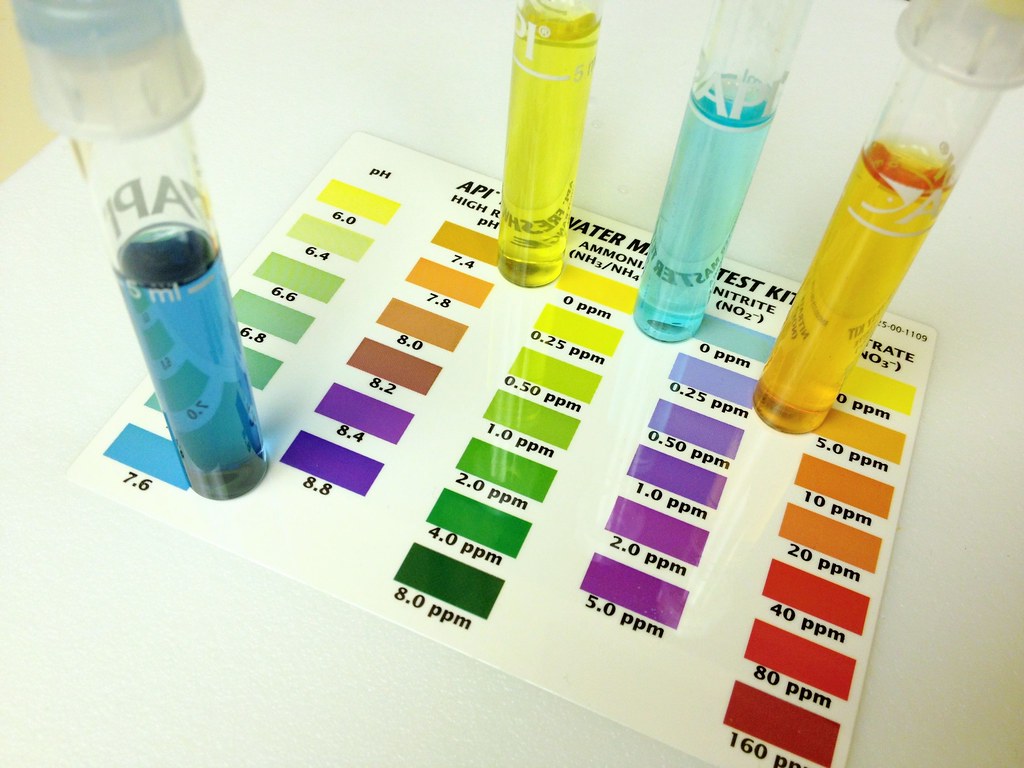
Understanding the presence of ammonia in your tank is essential for maintaining a healthy aquatic environment. Ammonia test kits are crucial tools that help monitor the ammonia levels in your aquarium and prevent toxicity that could harm your fish and other inhabitants.
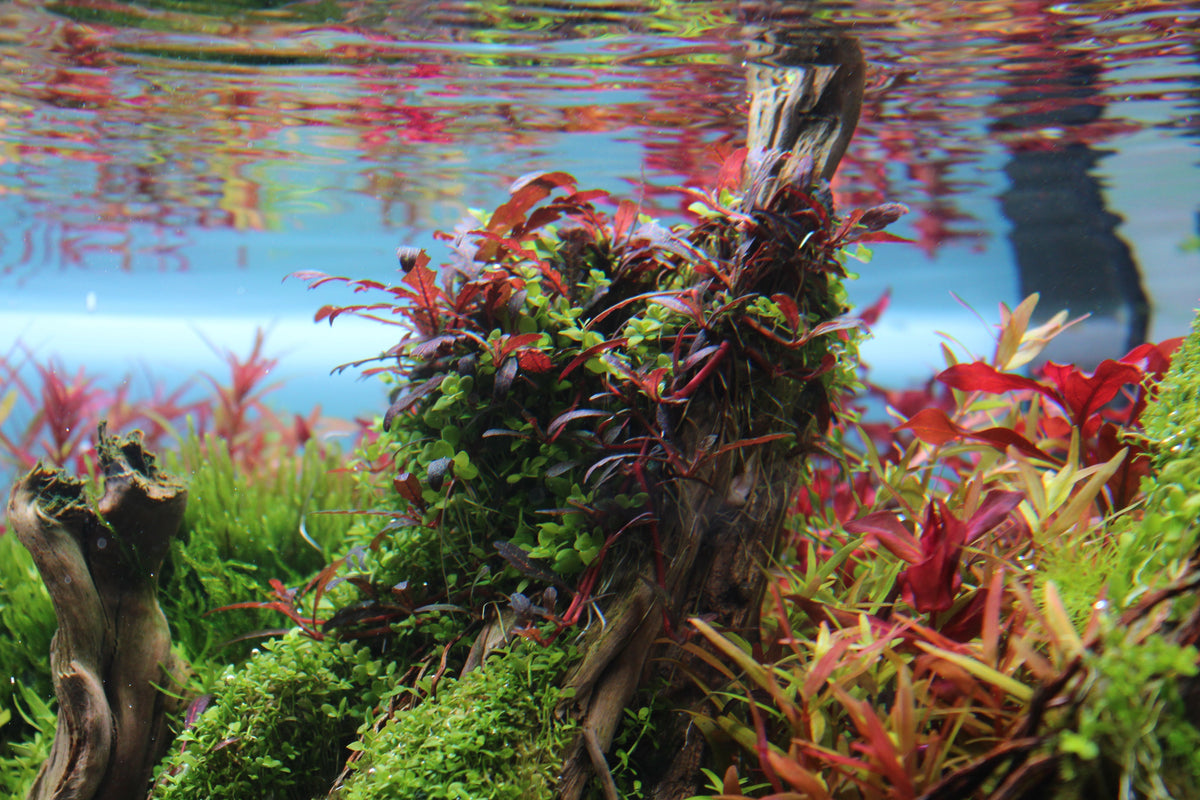
Anchoring plants in your aquarium is vital for maintaining stability and ensuring healthy growth. Aquarium plant anchors are essential tools that help keep your plants in place, allowing them to develop strong root systems. Without proper anchoring, plants may drift, float, or get uprooted by water currents, leading to poor growth and an unorganized tank.
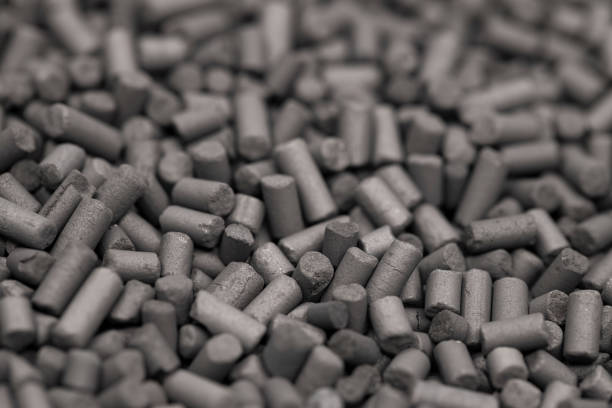
How important is activated carbon in your aquarium?
Activated charcoal is highly effective at removing ammonia, toxins, and excess nutrients from the water, creating a cleaner and healthier environment for your fish and plants. For most aquariums, especially those with sensitive species, aquarium activated carbon can help maintain stable water conditions and improve water clarity.
Read moreabout How important is activated carbon in your aquarium?
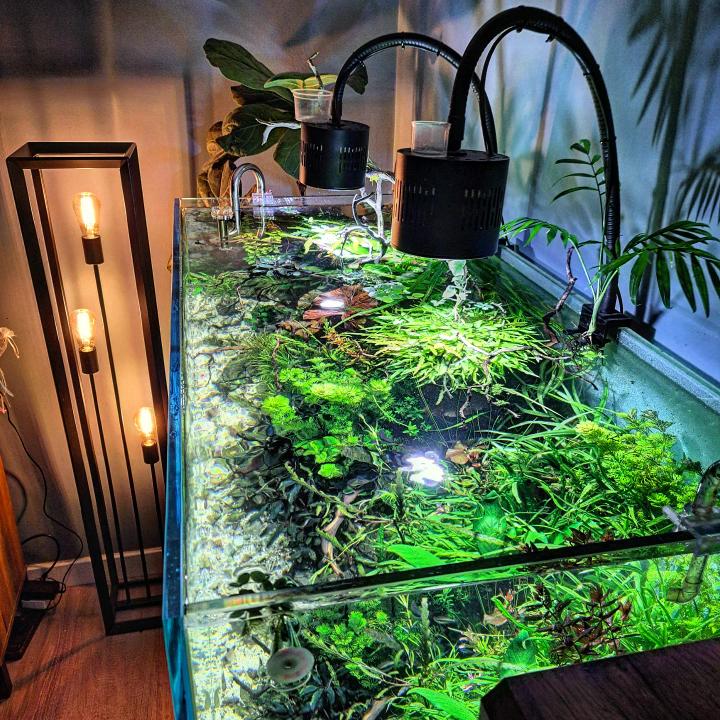
Everything you need to know about water hardness in aquarium
Achieving the right balance of water hardness is essential for the well-being of your aquarium’s inhabitants. Regular monitoring, coupled with the right adjustments, ensures that your tank remains a thriving, healthy environment.
Read moreabout Everything you need to know about water hardness in aquarium
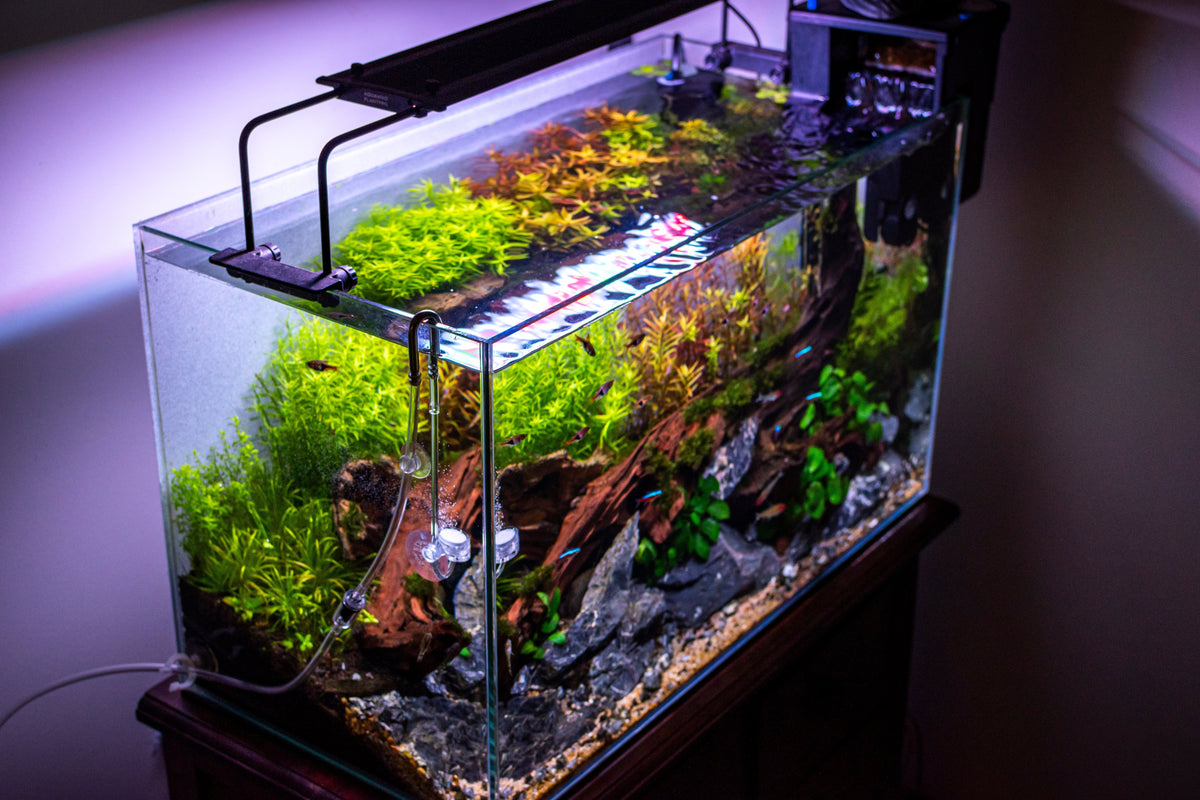
Maintaining a healthy aquarium free from bad odors involves a combination of regular maintenance practices and ensuring a balanced tank environment. Performing routine water changes, vacuuming the gravel to remove fish poop and uneaten food, and keeping the filtration system in good condition are all essential steps in preventing a fish tank smell.

Aquarium plants and carbon dioxide
CO2 is essential for healthy, vibrant aquatic plants in any aquarium. Whether you're managing high tech plants in a high tech tank or simpler setups, proper carbon dioxide levels boost plant growth, prevent issues like yellowing leaves, and ensure strong, healthy greenery.
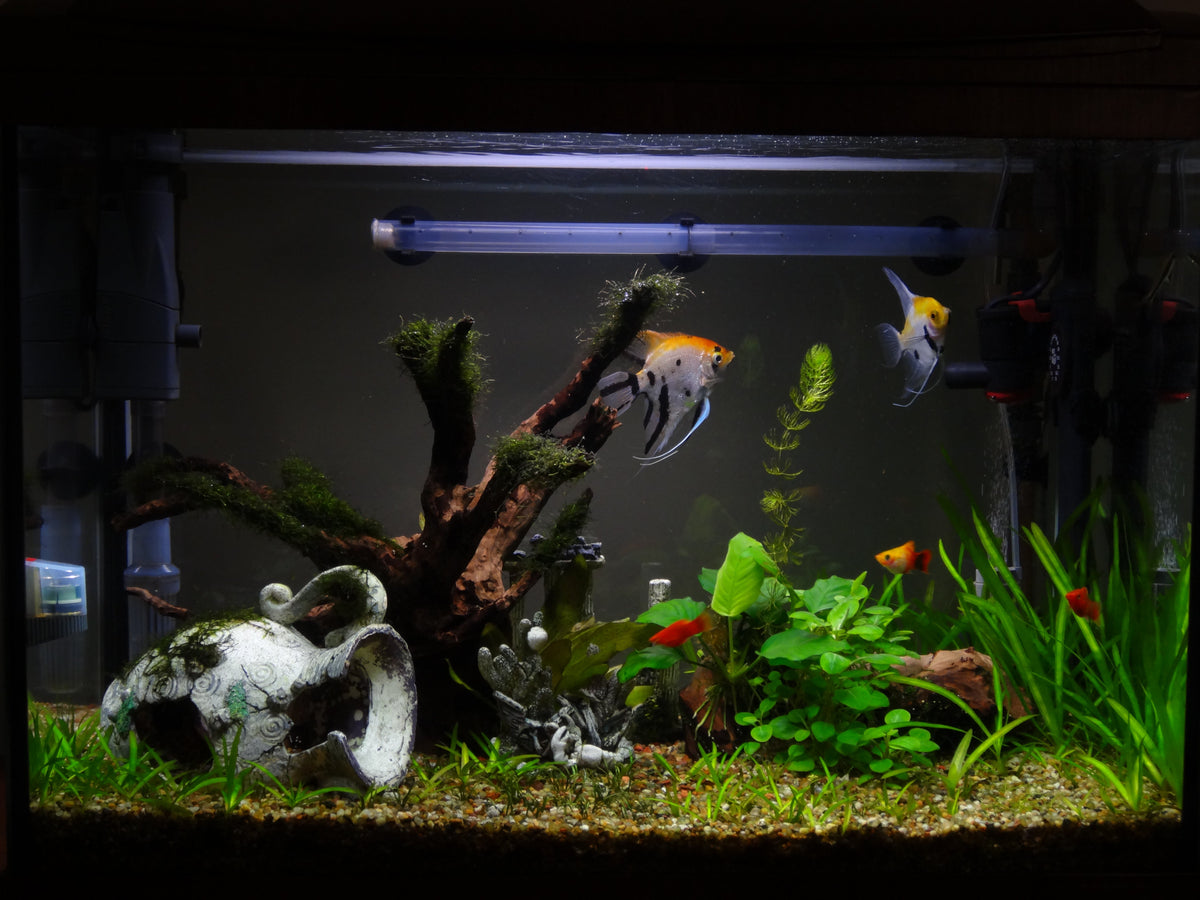
Using Bleach to Clean Aquarium
While bleach is a powerful cleaning agent, using it improperly in fish tanks can be harmful to fish, snails, and other aquatic life. It is essential to use the correct dilution, ensure everything is rinsed correctly, and never mix bleach with other chemicals, as this can create toxic fumes.
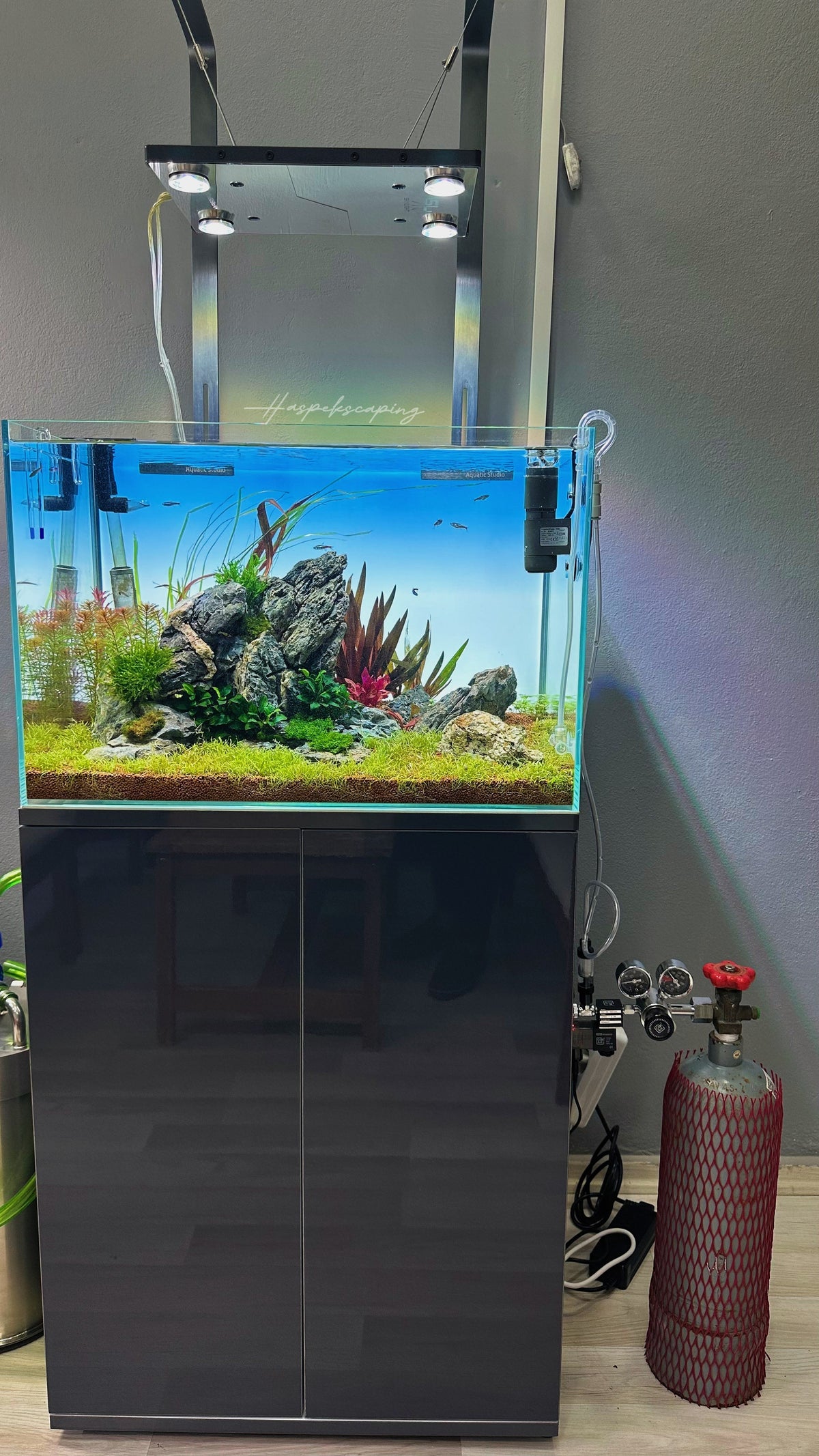
Using Activated Carbon in Aquarium Filters
Activated carbon is an excellent filtration option for many aquarium owners looking to maintain high water quality. Its ability to remove chemicals, heavy metals, odors, and pollutants makes it an invaluable addition to any filtration system. Using activated carbon can help keep your aquarium water crystal clear, neutralize odors, and reduce the chances of water contamination from substances like chlorine and chloramines in tap water.

What to do after the aquarium has finished cycling?
Once your aquarium has completed the cycling process, it marks the beginning of a new chapter in your tank's life. By introducing fish gradually, maintaining consistent water changes, and monitoring key water parameters like ammonia levels and nitrate levels, you ensure that your tank remains a stable and healthy environment for both fish and plants.
Read moreabout What to do after the aquarium has finished cycling?
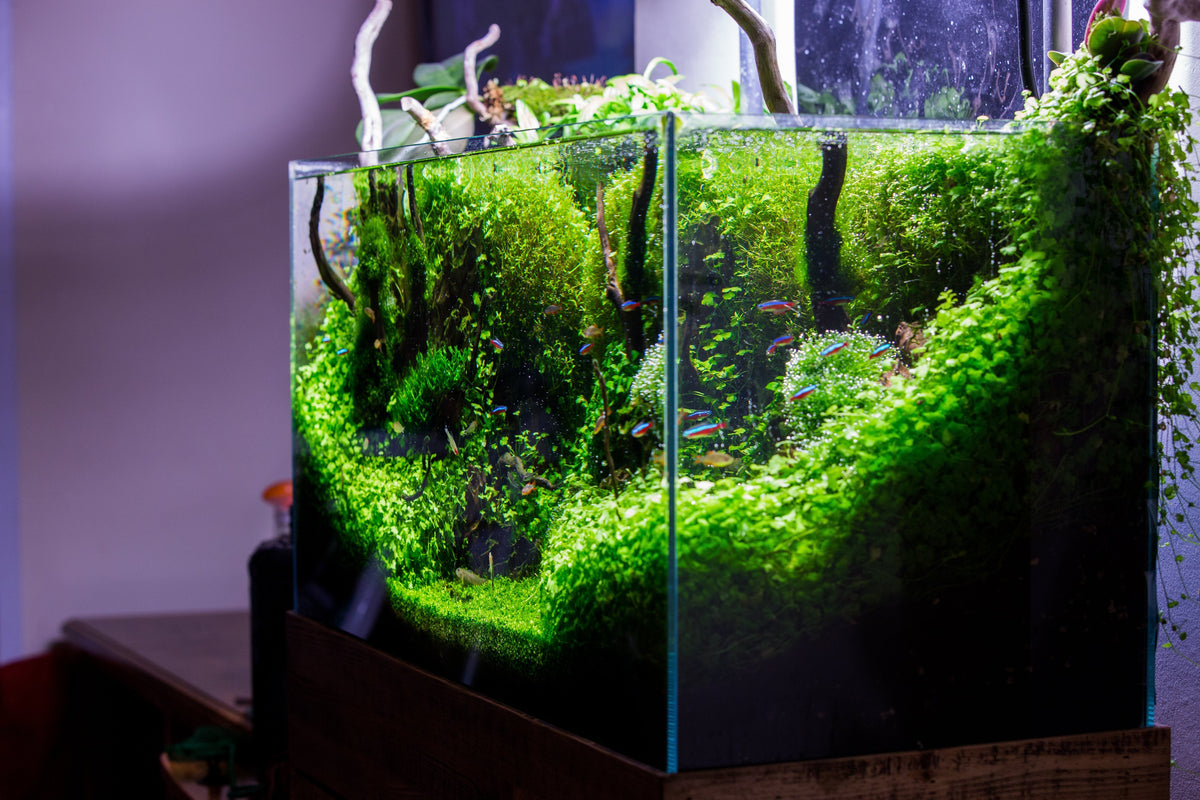
How to remove brown algae in fish tank
Managing brown algae in a fish tank requires a combination of proper maintenance, good water quality, and natural solutions like algae-eating creatures and live plants. Regular water changes, cleaning the substrate, and ensuring balanced nutrients will help prevent diatoms from taking over your tank.