Aquascaping Blog

Guides and stories for planted-tank keepers.
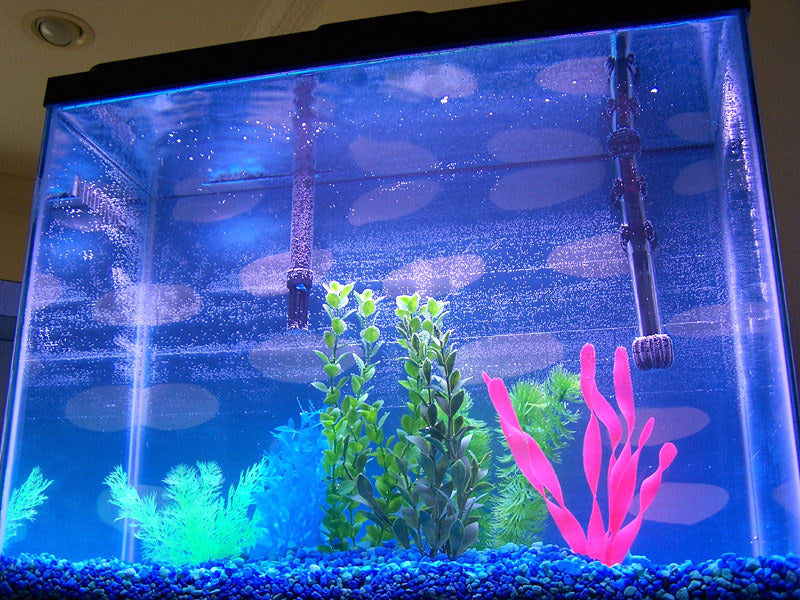
What is PAR - lighting and brightness
What is PAR - lighting and brightness

Proper lighting is crucial for the health and growth of plants in a planted tank. Understanding what is PAR, selecting the right PAR light, and managing light brightness are fundamental to creating an optimal environment for aquarium plants.

Read moreabout What is PAR - lighting and brightness

When should I dose Potassium in my planted tank?
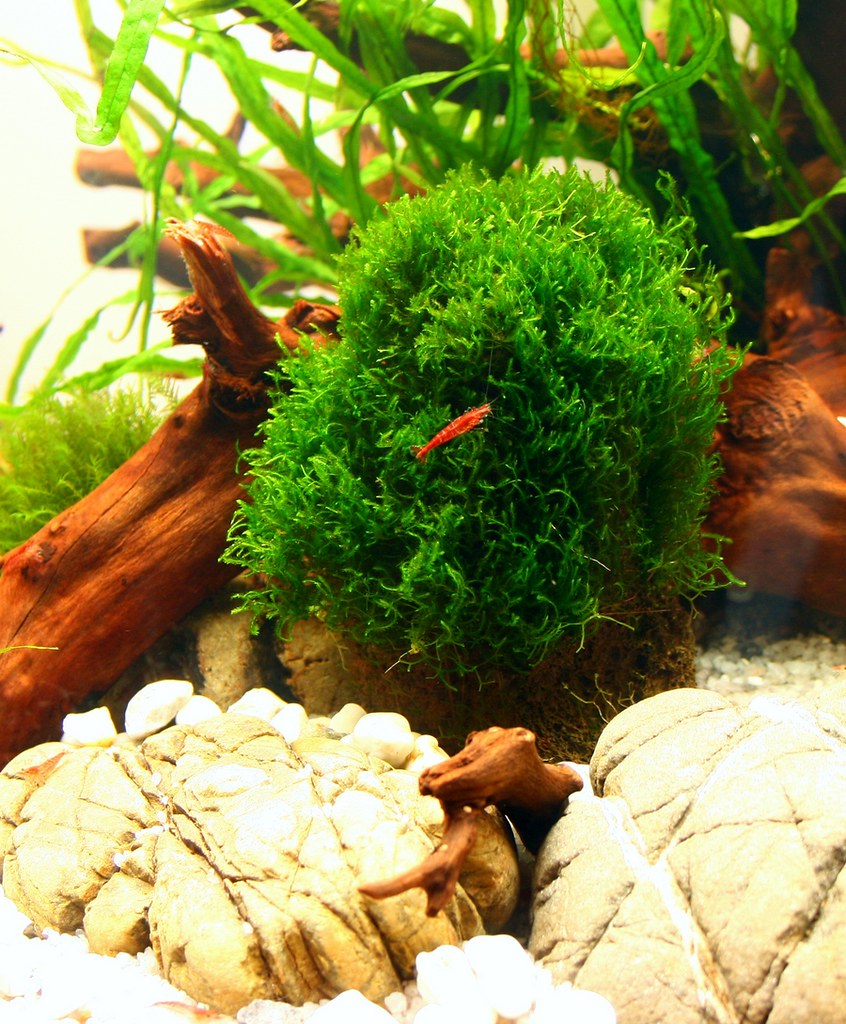
When should I dose Potassium in my planted tank?

By understanding the importance of potassium, selecting the appropriate forms of supplements, and incorporating a consistent dosing routine, you can significantly enhance plant growth and maintain a balanced ecosystem. 

Read moreabout When should I dose Potassium in my planted tank?

Super easy aquarium plants

Super easy aquarium plants

Incorporating super easy aquarium plants into your tank can significantly simplify your aquarium maintenance while enhancing its natural beauty. From beginner friendly plants like Java Moss and Anubias to more vibrant options like Ludwigia and Water Wisteria, each plant brings unique benefits and ease of care.

Read moreabout Super easy aquarium plants

How to lower ammonia levels naturally?

How to lower ammonia levels naturally?

Identifying the sources of ammonia in your fish tank allows you to take proactive measures to control and reduce it. Regular tank maintenance, proper feeding practices, and effective waste management are key components in minimizing ammonia production. By understanding these sources, you can develop a comprehensive plan to keep ammonia levels in check naturally.

Read moreabout How to lower ammonia levels naturally?

How to aquascape a planted tank?
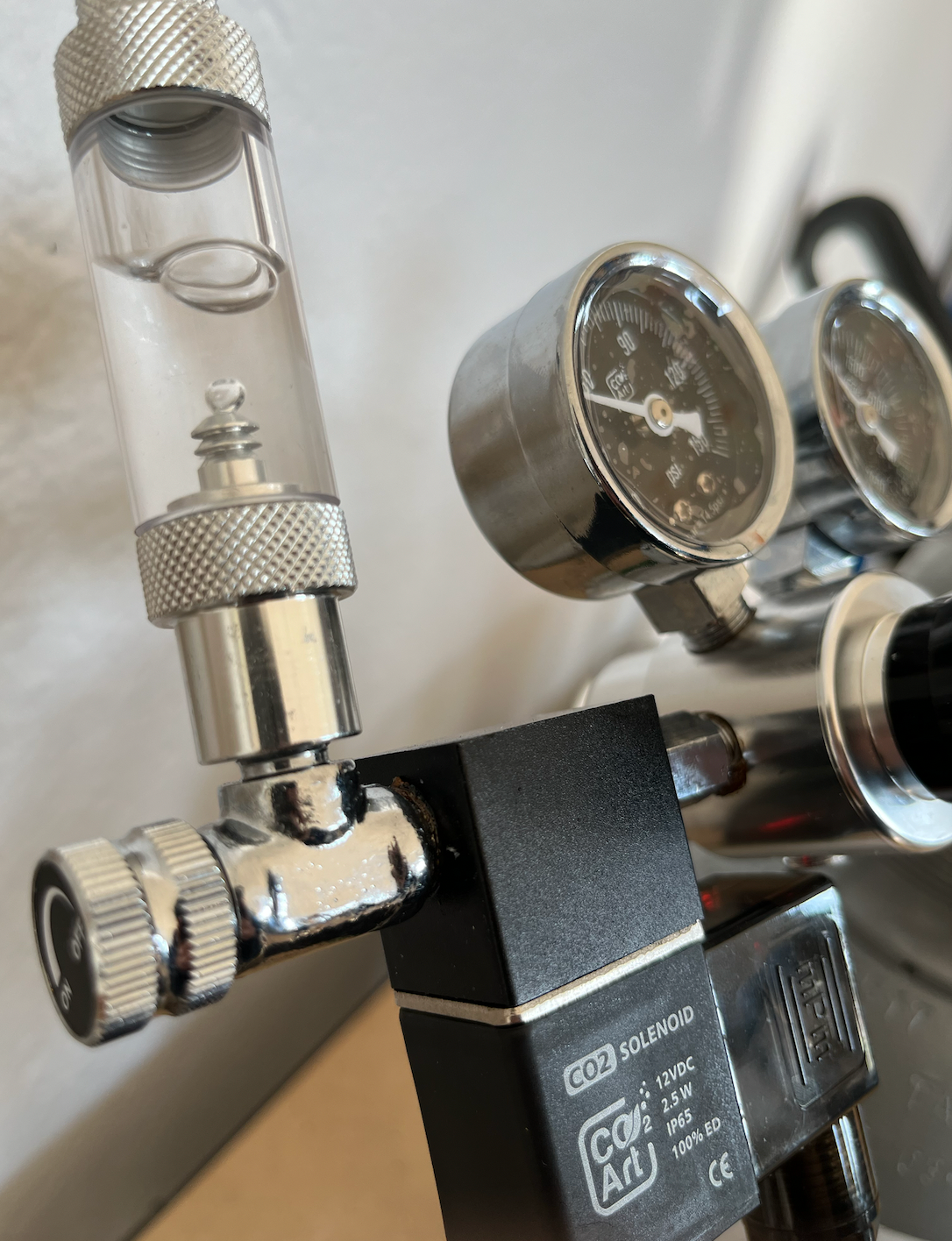
How to aquascape a planted tank?

Aquascaping a planted tank is a rewarding journey that combines artistry with practicality to create a captivating underwater landscape. By understanding the specific needs of aquatic plants and employing appropriate techniques such as CO2 supplementation and proper lighting, you can achieve stunning aquascapes that mimic natural ecosystems.

Read moreabout How to aquascape a planted tank?

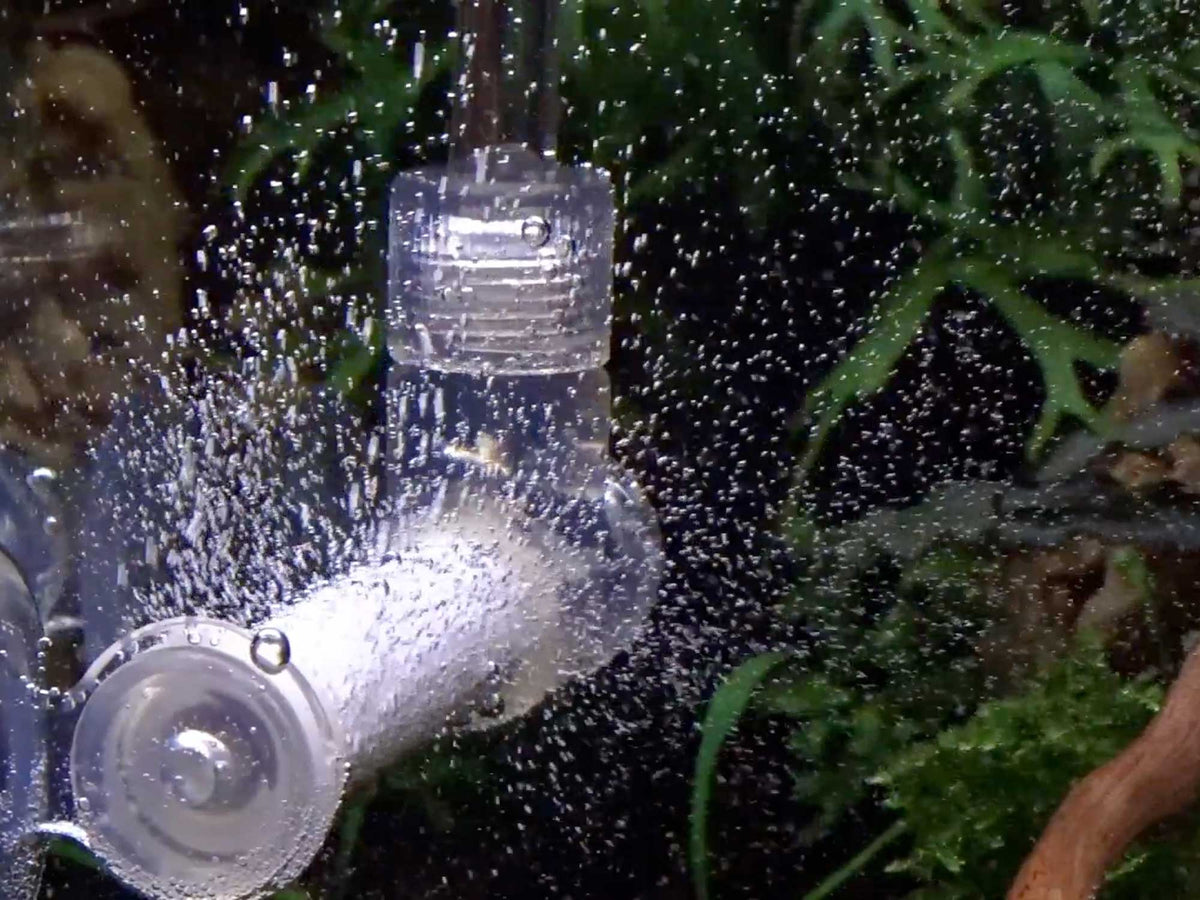
Filling the bubble counter

Filling the bubble counter

By understanding bubble counter's role in monitoring CO2 levels and integrating it with other tools like drop checkers and check valves, aquarists can create a stable and healthy environment for aquatic plants.

Read moreabout Filling the bubble counter

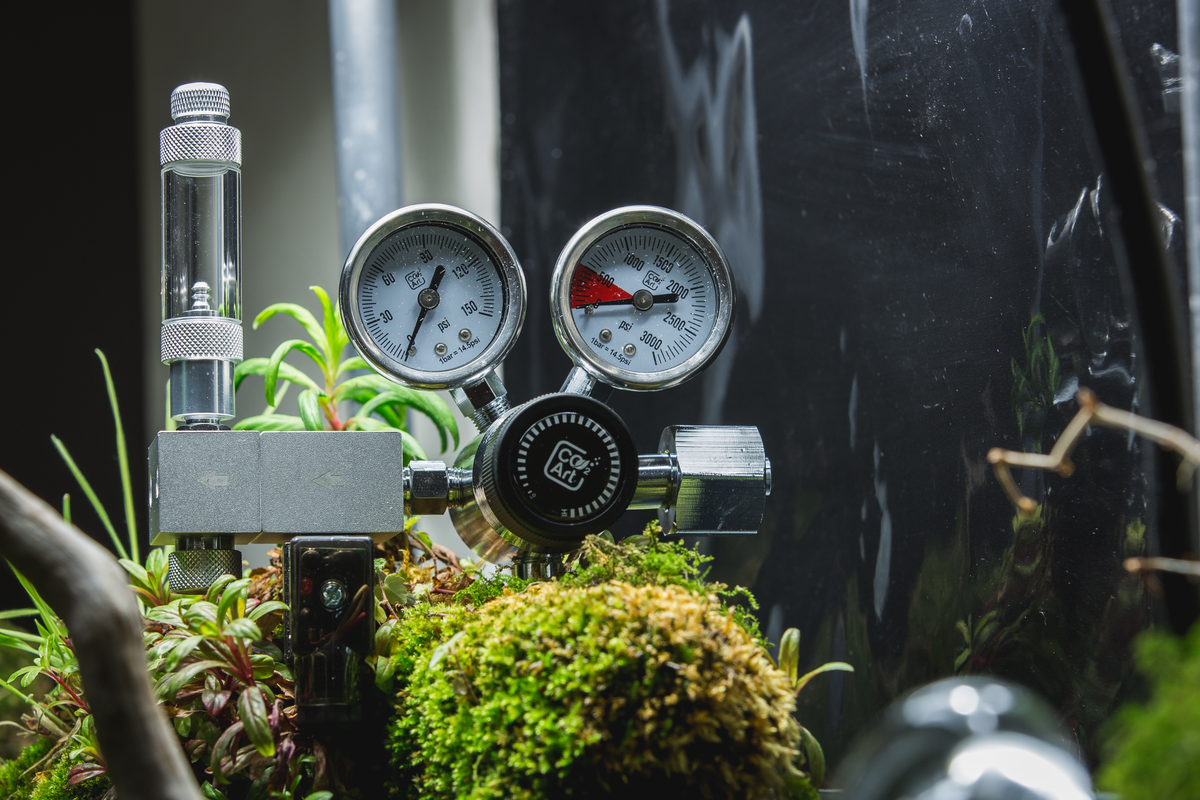
Choosing the right CO2 diffuser

Choosing the right CO2 diffuser

A CO2 diffuser introduces controlled amounts of CO2 into the water, enhancing photosynthesis and ensuring lush, vibrant plants. Without adequate CO2 diffusion, plants may struggle to thrive, impacting the overall balance and aesthetic appeal of the aquarium.

Read moreabout Choosing the right CO2 diffuser

Why inject CO2 for a planted tank, isn't it unnatural?

Why inject CO2 for a planted tank, isn't it unnatural?

CO2 injection is a technique used by aquarists to introduce carbon dioxide (CO2 injection aquarium) into the water of a planted tank. This practice aims to replicate the natural availability of CO2, promoting healthy plant growth and maintaining an aesthetically pleasing underwater garden.

Read moreabout Why inject CO2 for a planted tank, isn't it unnatural?

Under gravel aquarium filters extraordinary or extinct

Under gravel aquarium filters extraordinary or extinct

Under gravel filters have both passionate advocates and critics within the aquarium community. These filters are praised for their simplicity, cost-effectiveness, and natural approach to biological filtration. However, their drawbacks, such as maintenance challenges and incompatibility with finer substrates and heavily planted aquariums, cannot be ignored.

Read moreabout Under gravel aquarium filters extraordinary or extinct
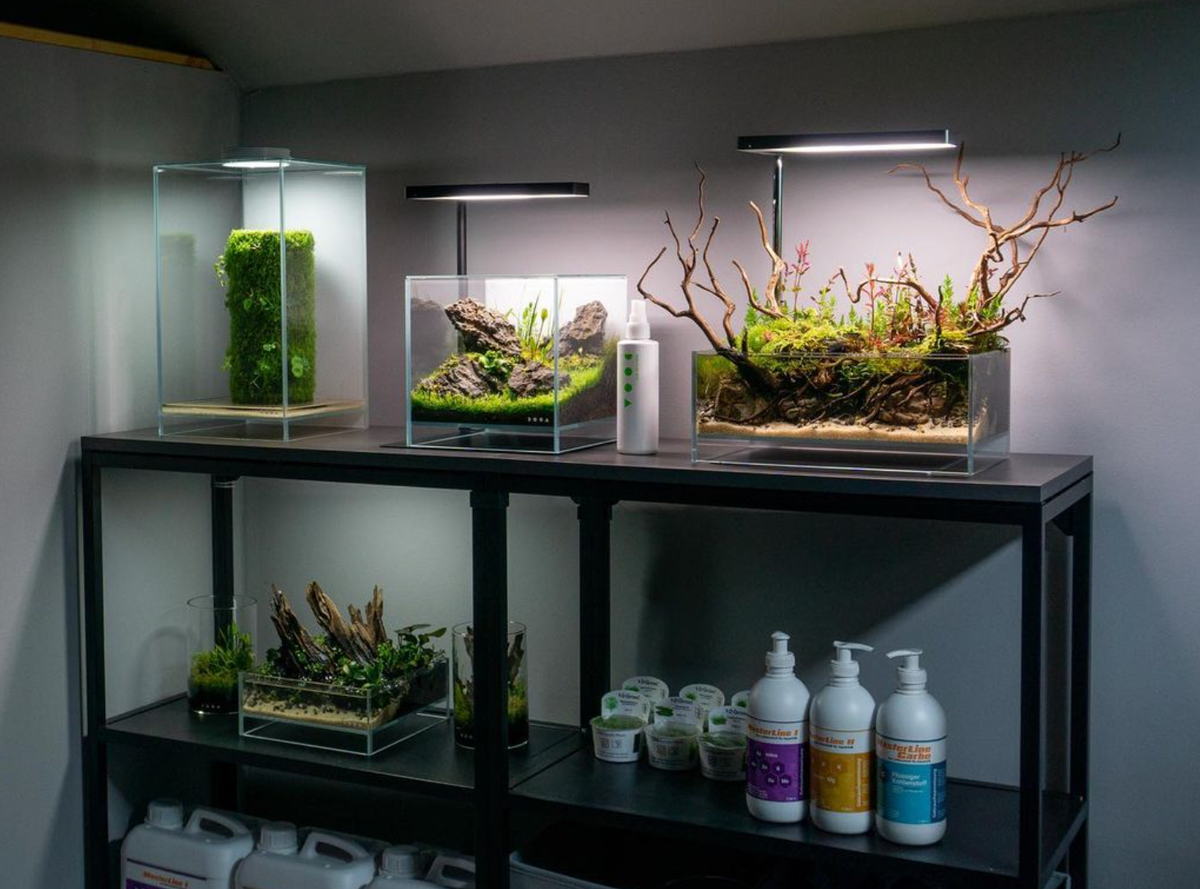
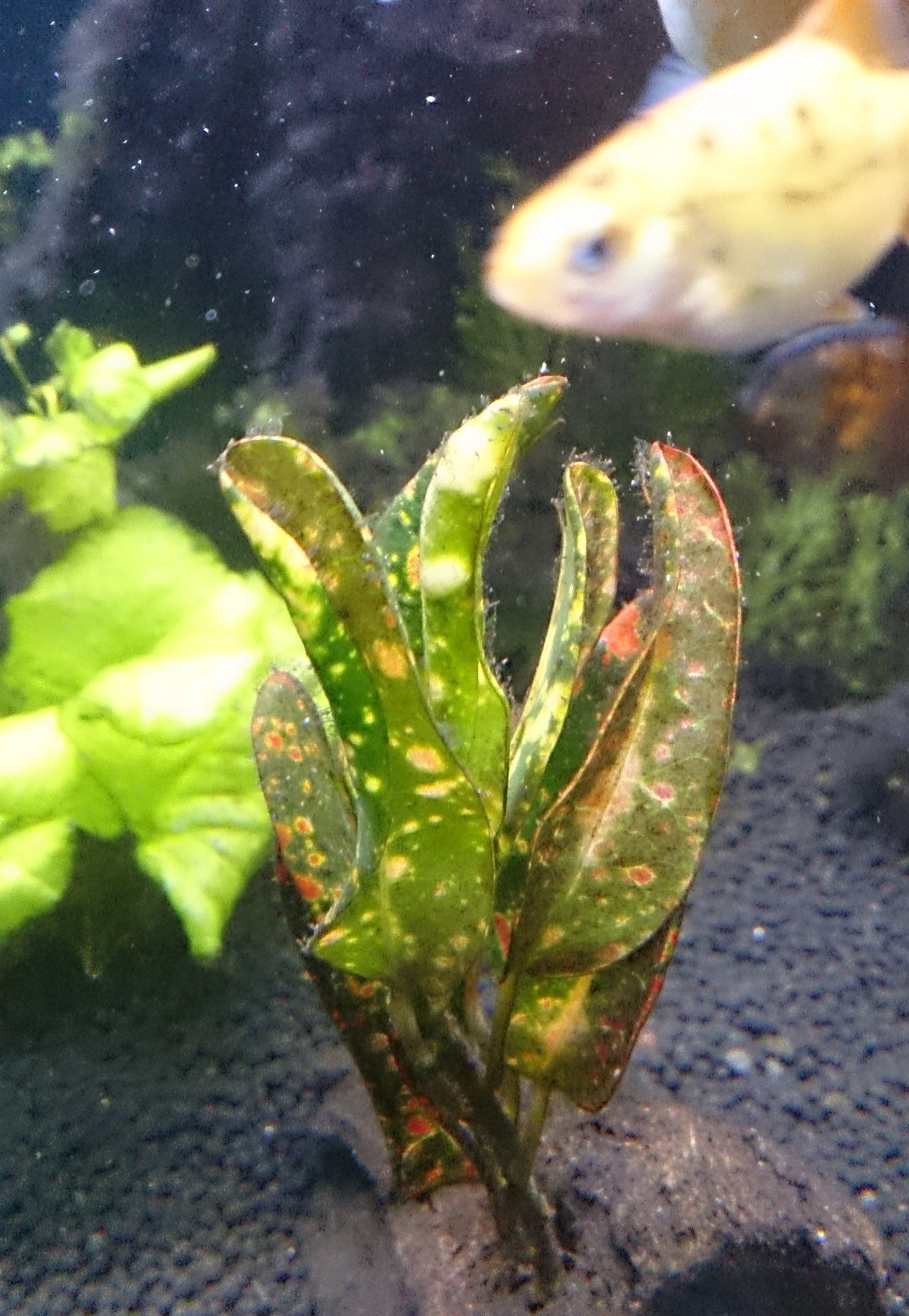
Symptoms of minerals deficiencies in planted aquarium
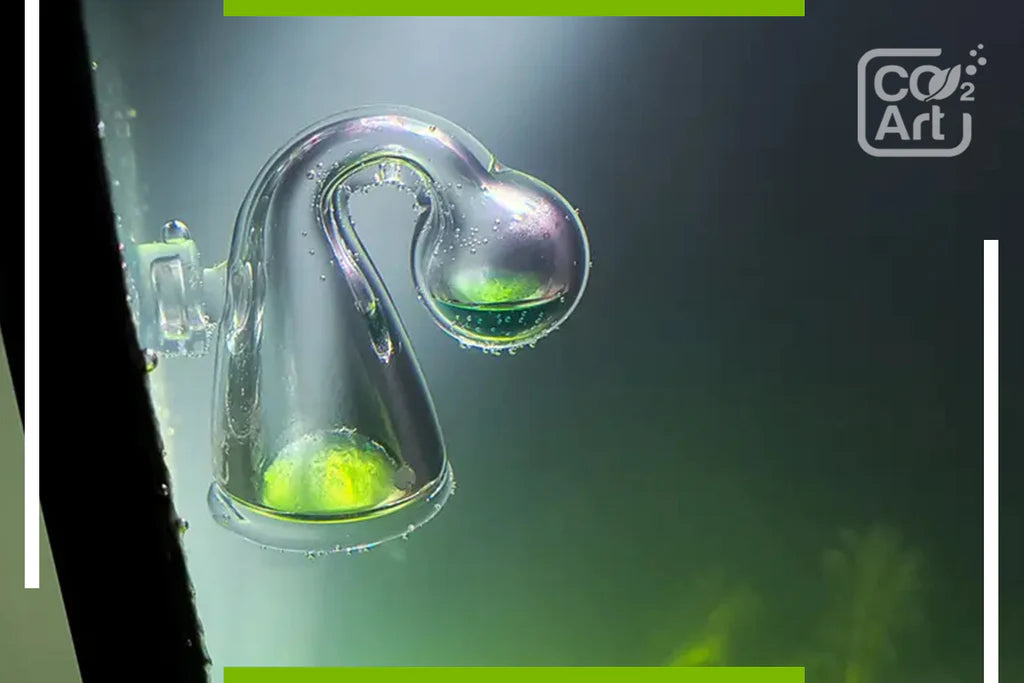
Symptoms of minerals deficiencies in planted aquarium

Maintaining a balanced supply of essential nutrients is vital for the health and growth of plants in aquariums. Symptoms of mineral deficiencies in planted aquariums can include a range of issues such as nitrogen deficiency, potassium deficiency, and phosphorus deficiency, among others. 

Read moreabout Symptoms of minerals deficiencies in planted aquarium

pH swings low pH and CO2 in planted tank
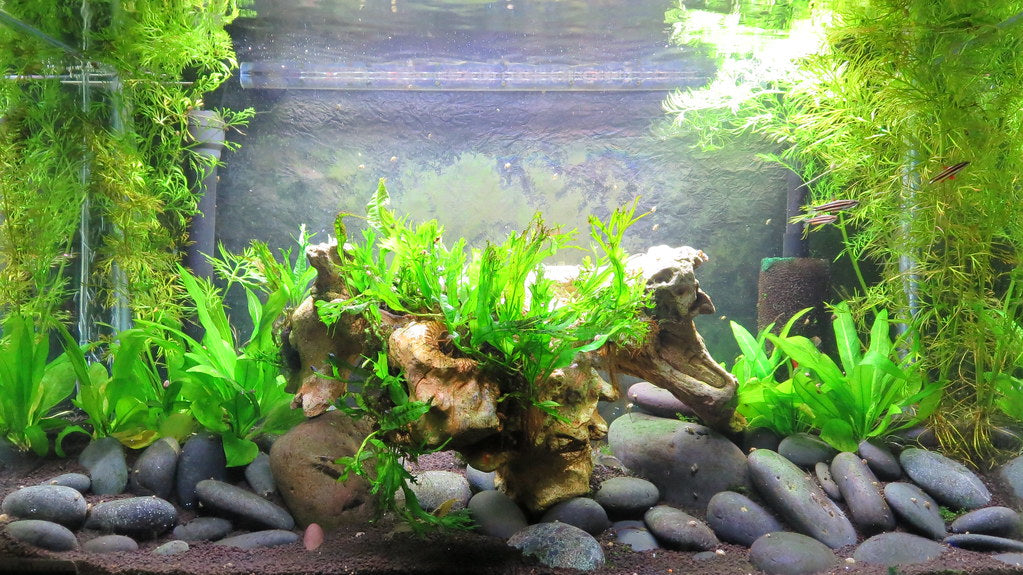
pH swings low pH and CO2 in planted tank

Maintaining a stable pH in a planted aquarium is essential for the health and well-being of both fish and plants. Understanding the role of carbon dioxide and its effects on pH, along with monitoring CO2 levels using tools like a drop checker, can help prevent harmful pH swings.

Read moreabout pH swings low pH and CO2 in planted tank

No ferts, no dosing, no CO2 planted tanks - how valid are they?

No ferts, no dosing, no CO2 planted tanks - how valid are they?

Embracing the principles of no ferts, no dosing, and no CO2 can lead to a rewarding and fulfilling aquarium experience. With careful planning, appropriate plant selection, and regular maintenance, non CO2 planted tanks can thrive, showcasing the beauty and resilience of aquatic plants in a natural, balanced environment. 

Read moreabout No ferts, no dosing, no CO2 planted tanks - how valid are they?


My Wishlist

Loding your saved items

Don't lose your wishlist!

My Wishlist

Loding your saved items

Don't lose your wishlist!