

Understanding the Importance of Regular Testing
Testing your aquarium water is not just a routine task; it's an essential part of maintaining a healthy environment for your fish. Understanding the need for testing aquarium water and the frequency at which it should be done is crucial for every aquarium owner.
The Basics of Aquarium Water Tests
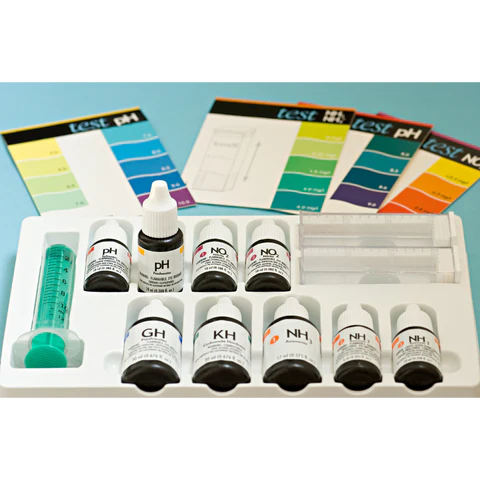
Aquarium water tests are necessary to check various water parameters such as pH, ammonia, nitrites, nitrates, and water hardness. These tests give you an insight into the health of your aquatic environment, ensuring your fish thrive.
Initiating Water Test for Aquarium
When you start a new aquarium, a water test for aquarium should be done more frequently. It's essential during the initial stages to monitor the water parameters closely as the ecosystem establishes itself.
Regular Aquarium Testing: A Key to Fish Health
Regular aquarium testing helps in detecting any potential problems early on. It guides you in making necessary adjustments, be it in feeding, filtration, or general tank maintenance.

How Often Should I Test My Aquarium Water?
A common question among beginners is "how often should I test my aquarium water?" The answer can vary depending on several factors, such as the age of the aquarium, the type of fish, and the recent changes made to the tank.
Ensuring Aquarium Water Quality
Maintaining optimal aquarium water quality is paramount. This means testing the water for any toxic substances like ammonia and adjusting the tank's environment to keep it safe for your aquatic inhabitants.
Testing Aquarium Water Quality Regularly
Regular testing aquarium water quality is vital to prevent any harmful conditions that could stress or harm your fish. This includes checking for pH levels, nitrite levels, and ammonia.
The Role of Water Changes
Regular water changes are essential in maintaining a healthy aquarium. Testing the water before and after a water change can help you understand how these changes affect the overall water quality.
Utilizing Test Strips for Quick Checks
For quick and convenient testing, many aquarists use test strips. While not as precise as liquid test kits, they offer a quick overview of your aquarium water's condition.
The Frequency of Testing in a Freshwater Aquarium
In a freshwater aquarium, testing might need to be done more frequently compared to a mature, stable tank. This helps in closely monitoring parameters like nitrite levels and ammonia.
Monitoring Ammonia Levels
Ammonia is highly toxic to fish and must be closely monitored, especially in new tanks. Regular testing for ammonia is crucial in preventing fish fatalities.
Understanding Carbonate Hardness
Carbonate hardness (KH) testing is vital as it affects pH stability. Regular testing can help in maintaining the right KH levels, ensuring a stable environment for your fish.
The Necessity of Regular Aquarium Maintenance
Consistent maintenance, including aquarium water testing, is essential. It allows for early detection and rectification of any issues that might harm the inhabitants of your aquarium.
Incorporating Testing into Your Routine
Make aquarium water testing a part of your regular maintenance routine. This ensures that the environment remains healthy and balanced for your fish.
Advanced Testing for Experienced Aquarists
For more experienced aquarists, advanced testing methods can offer deeper insights into the water chemistry, helping in fine-tuning the aquarium environment for specific fish or plant species.
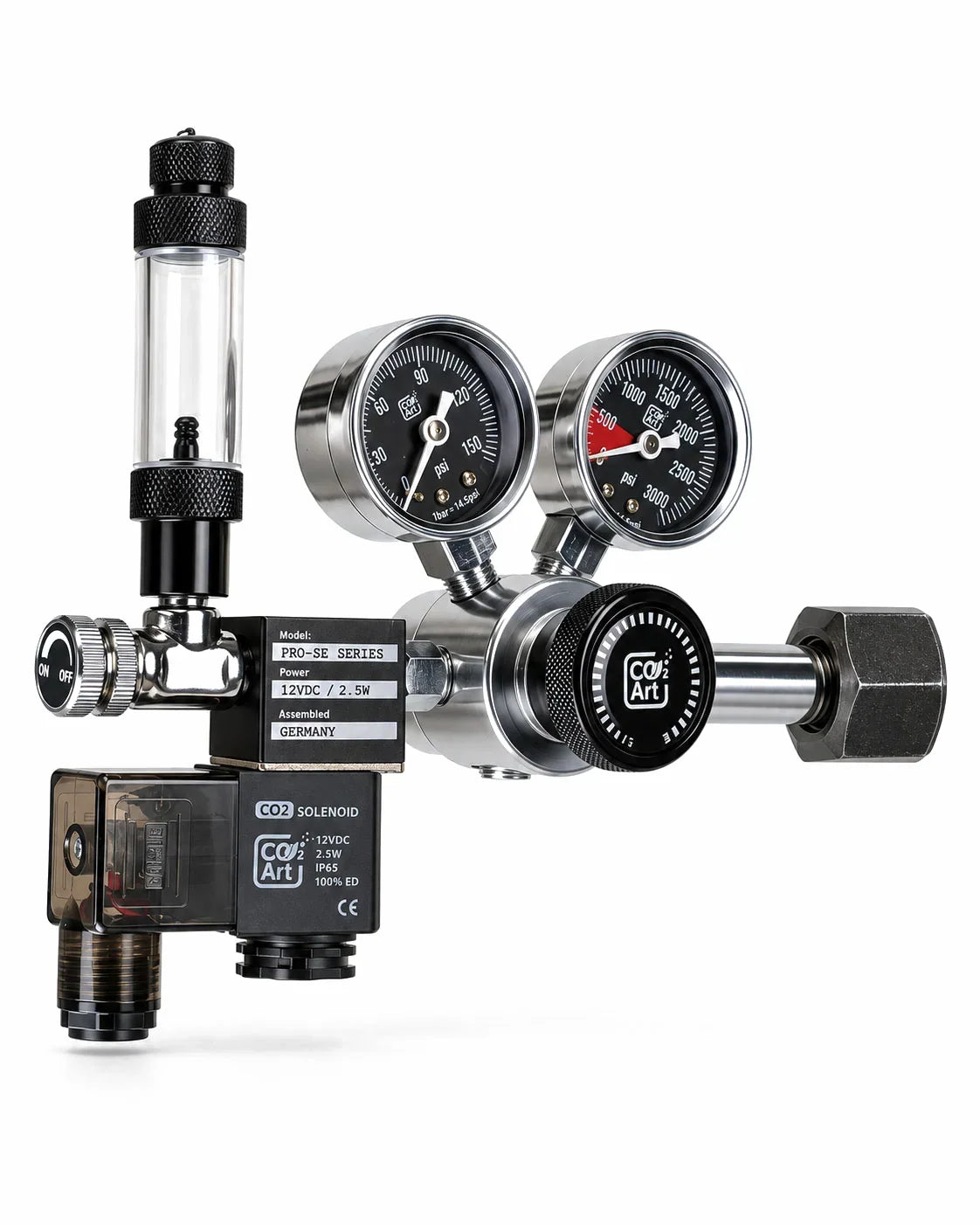
Testing CO2 Concentration in Aquarium Water
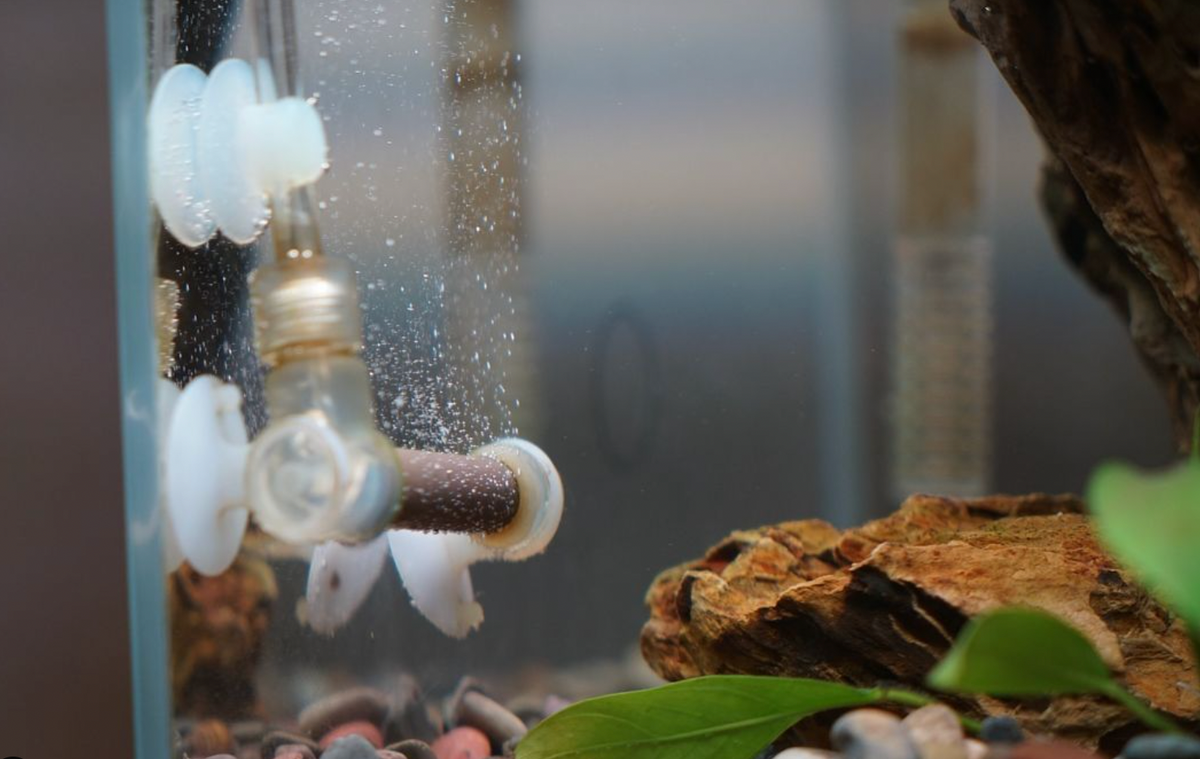
Testing for CO2 concentration in an aquarium is crucial, as it directly impacts plant growth and the health of your fish. One of the most effective methods for this is using a drop checker.

A drop checker works by changing color to indicate the level of CO2 in the water, providing a visual representation that's easy to read. This tool is filled with a solution that reacts to the CO2 concentration, typically turning from blue (low CO2) to green (optimal level) to yellow (too much CO2). The benefits of using a drop checker are manifold. It offers real-time feedback on the CO2 levels, allowing for prompt adjustments, which is vital for maintaining a stable and healthy environment in your aquarium. Unlike other testing methods that might require complex calculations or interpretation, a drop checker simplifies the process, making it accessible even for beginners. By ensuring a balanced CO2 level, you're not only promoting lush plant growth but also creating a habitat where your fish can thrive.

Conclusion: The Key to a Healthy Aquarium
In summary, regular testing of your aquarium water is a non-negotiable aspect of fishkeeping. It's essential for the well-being of your fish and the overall health of your aquarium. Whether you're a beginner or a seasoned aquarist, understanding and maintaining water quality through frequent testing can make all the difference in the success of your aquatic environment.

Share:
What Size CO2 Cylinder Should I Get for My Aquarium?
Low Tech vs High Tech Planted Aquarium