



How to Properly Grow Aquarium Plants
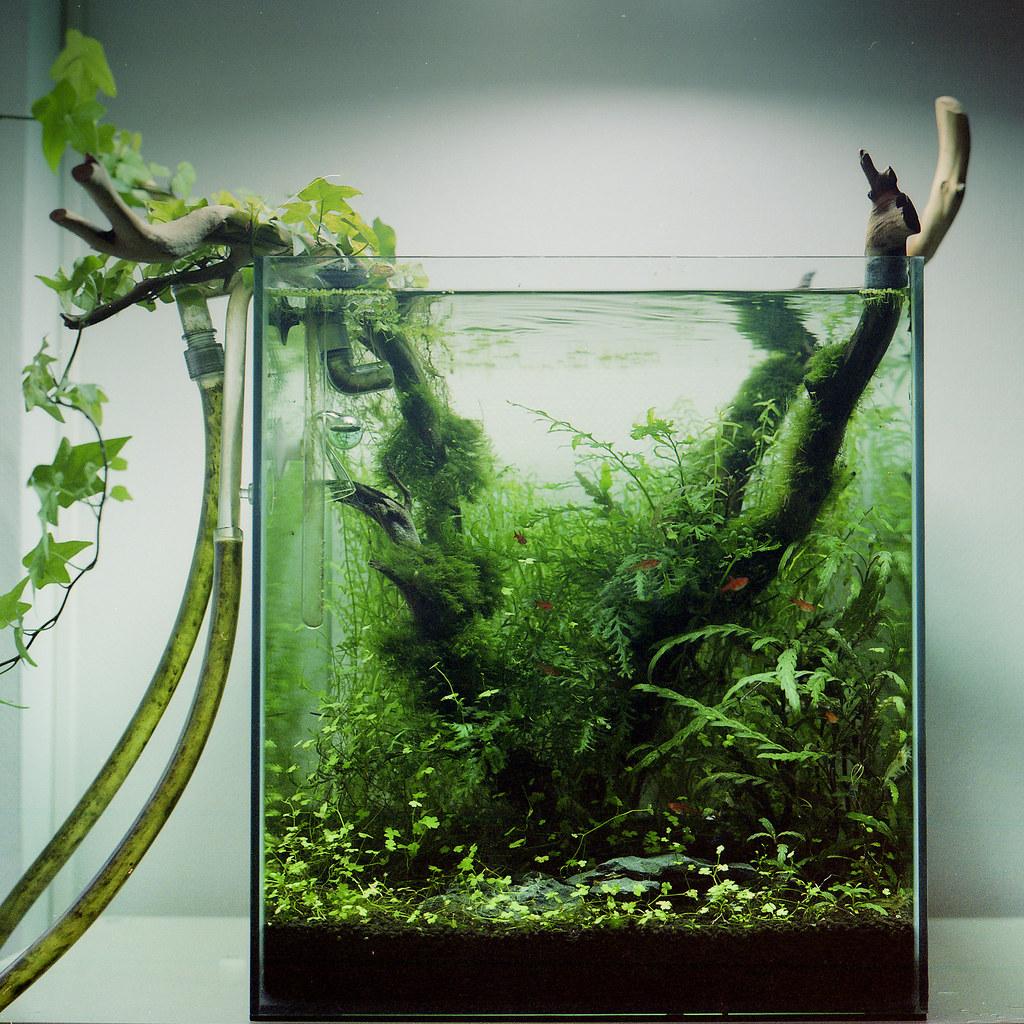
Nothing changes the feel of an aquarium quite like a thriving carpet of plants or a wall of colourful stems swaying in the current. But if you've ever watched a ''sure thing'' plant melt away within a week, or stared at a slowly yellowing leaf wondering what went wrong, you know healthy growth isn't automatic.
Aquarium plants rely on four things working together: light, CO2, nutrients, and stable water conditions. Get one badly out of balance and you'll see it- slow growth, leggy stems, algae creeping across leaves. The good news is that none of this requires guesswork. Once you understand what your plants need, growing a lush, established aqauscape becomes a matter of consistency, not luck.
Choosing Plants That Suit Your Aquarium
One of the best things you can do for your plants is to choose species that are suitable for the conditions you can provide. Before buying a new plant, consider the amount of light in your aquarium, whether you use injected CO2, the type of substrate you have, and how much time you want to spend maintaining the tank. This is particularly important when learning how to grow carpet grass in aquarium, as many carpeting species require stronger light and consistent CO2 to spread properly across the substrate.
Before choosing your plants, consider these three important factors:
Lighting-
Match the plant's requirements to the amount of light available in your aquarium. More demanding carpeting plants often need stronger light to grow densely across the substrate.
CO2-
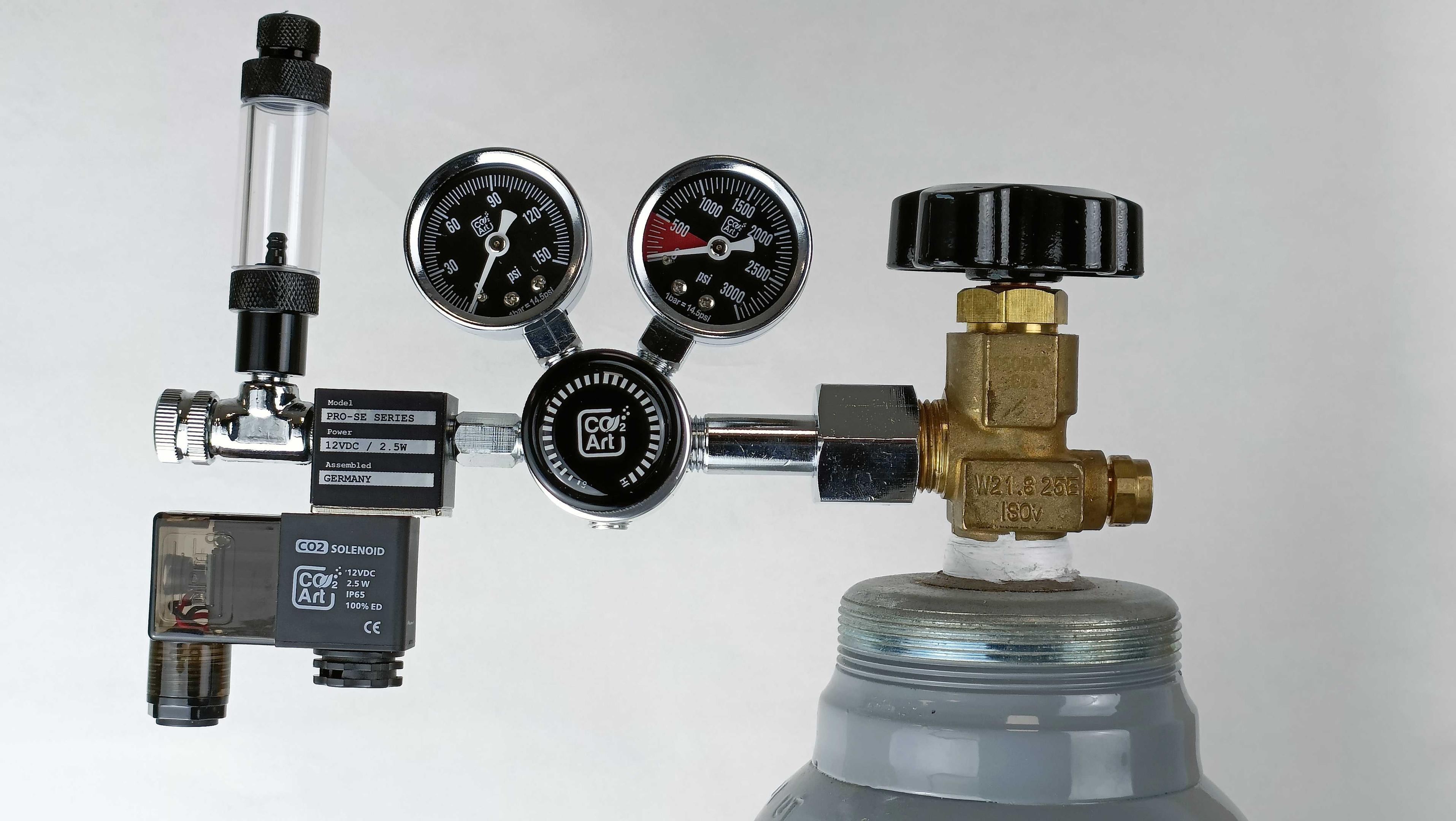
Find out whether the species needs injected CO2 or can grow successfully without it. Consistent CO2 can make a significant difference for demanding plants. A reliable setup like CO2Art's Pro-SE Series regulator makes it easy to keep output steady rather than fluctuating, which matters more to plants than the CO2 level itself.
Maintenance-
Consider the plant's growth rate and mature size. Fast-growing species may need frequent trimming, while slower-growing plants generally require less maintenance.
There is a huge variety of plants available, from easy species suitable for beginners to demanding plants that perform best in high-tech aquariums. Some plants are excellent for absorbing nutrients quickly, while slower-growing species are better suited to creating permanent structure within an aquascape. It is also important to consider the eventual size of a plant. A species that looks small when purchased may become much larger once established, potentially blocking light from plants underneath it.
Take some time to research the mature size, growth rate, lighting requirements, CO2 needs, and preferred planting method of each species before adding it to your aquarium. Choosing plants that naturally suit your setup will make maintaining them much easier and give you a much better chance of achieving healthy growth.
Understanding Different Plant Growth Habits
Not every aquarium plant grows in the same way, and understanding these differences can help you decide where each species should be placed. Some plants spread horizontally along the substrate, some grow upwards in dense groups, while others attach themselves to rocks and wood instead of growing in the substrate. Even among aquarium grass types, you can find significant differences in leaf shape, height, growth rate, and care requirements.
Carpeting plants are generally used in the foreground because they remain relatively short and can spread across the substrate. Stem plants are often placed toward the middle or back of the aquarium because they grow upwards and can create height and depth. Rhizome plants such as Anubias and Bucephalandra can be attached to hardscape and are useful for adding detail to areas where rooted plants may be difficult to grow.
When planning your aquascape, think about how each plant will look not only when it is first planted but also when it reaches its mature size. Fast-growing plants can quickly fill empty areas but may require frequent trimming, while slower-growing plants can take longer to establish but often require less maintenance. Combining different growth habits can create a more natural-looking aquarium and ensure that every part of the space is being used effectively.
Giving Carpet Plants the Right Start
Few things create as much visual impact in an aquascape as a thick foreground of plants. An aquarium grass carpet can make rocks appear taller, create the impression of a miniature meadow, and help tie the entire composition together. However, a dense carpet does not appear overnight. The way you plant the foreground in the beginning can have a major impact on how successfully it eventually spreads.
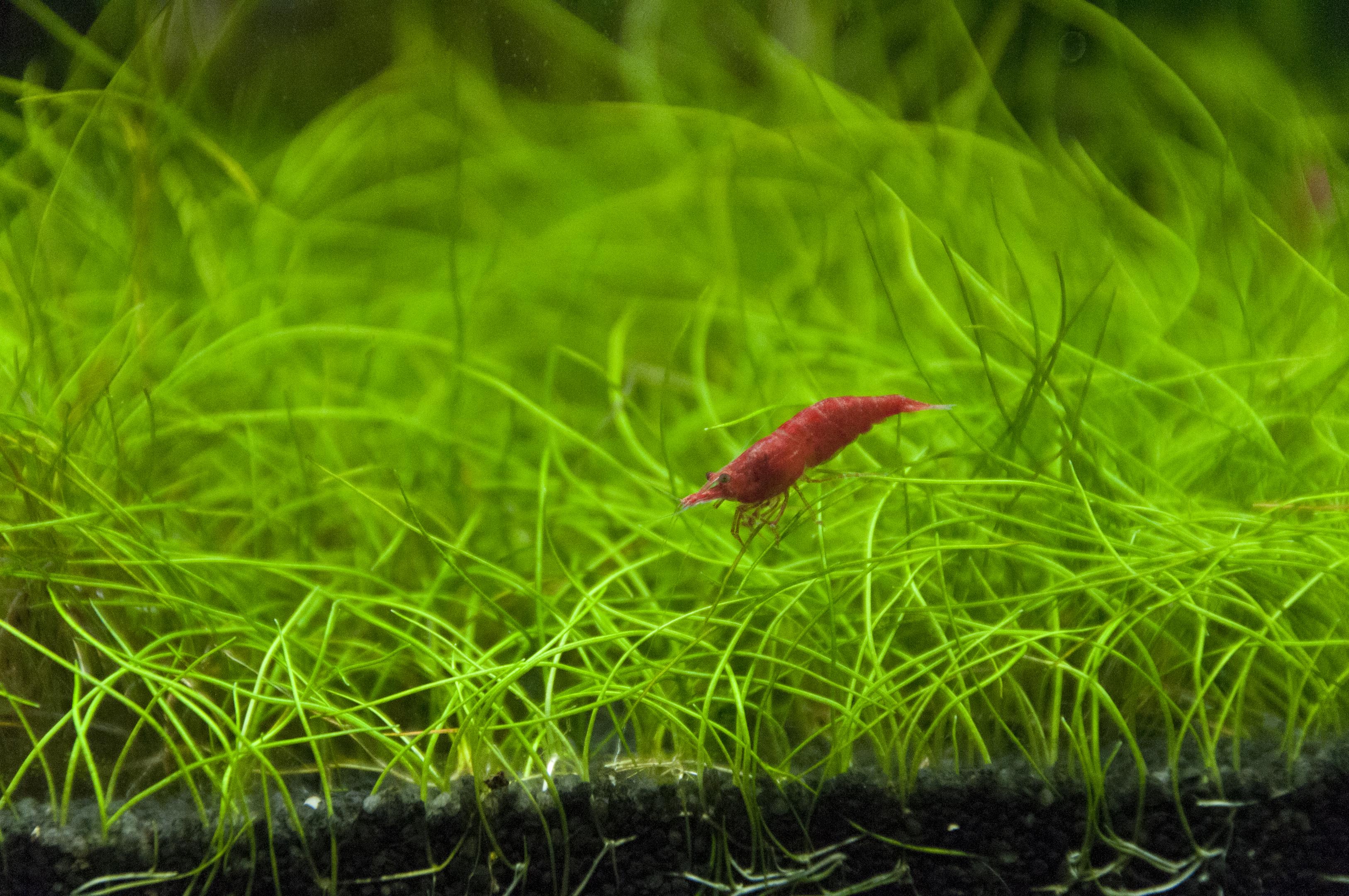
Instead of planting one large clump, divide carpeting plants into smaller portions and distribute them evenly across the area you want to cover. Each portion should have enough space to establish roots and produce new growth. Plant the roots into the substrate while keeping the leaves above the surface. If the plants are buried too deeply, they may struggle to grow or begin to deteriorate, while planting them too shallowly can allow them to become dislodged.
For the best chance of creating a dense carpet:
Plant in small portions-
Dividing the plant allows each portion to establish its own roots and gives new growth space to spread.
Give it enough light-
Carpeting plants stay close to the substrate, so make sure taller plants or floating vegetation do not shade them.
Keep conditions stable-
Consistent CO2, nutrients, and gentle circulation can help the carpet establish and spread more evenly.
Most importantly, be patient. A sparse foreground immediately after planting is completely normal, and with the right conditions, those small portions can gradually spread into a dense carpet.
Supporting Healthy Small-Leaf Growth
Small-leaved plants can produce some of the most delicate and attractive effects in a planted aquarium. Their fine foliage can make an aquascape appear more detailed and natural, but because the leaves are so small, changes in their growing conditions can sometimes become noticeable very quickly. If you are learning how to grow small leaf grass aquarium plants, focus first on stability rather than trying to force rapid growth.
When planting small portions, use aquascaping tweezers to place them carefully into the substrate. Avoid burying the leaves and make sure the roots are secure enough that the plants will not easily float away. Leave small gaps between portions so that new shoots have somewhere to spread.
It is also worth remembering that plants may look different after being introduced to your aquarium. Some are grown outside water before being sold and need to transition to submerged growth. During this process, older leaves may melt or deteriorate while new underwater leaves develop. This does not necessarily mean the plant is dying.
If you notice your plants struggling, pay attention to a few simple warning signs:
Slow or weak new growth-
This can indicate that one or more essential growing conditions are not being met.
Pale, yellowing, or damaged leaves-
Changes in leaf appearance can indicate problems with nutrients, light, or overall plant health.
Increasing algae-
If algae begins covering plants while growth is poor, look at the balance between lighting, CO2, nutrients, and maintenance.
Avoid repeatedly uprooting and replanting plants because they appear to be growing slowly. Developing a strong root system takes time, and disturbing it repeatedly can delay establishment. Stable conditions will give the plants the best opportunity to adapt and begin producing healthy new growth.
Maintaining a Dense Foreground
Once your plants begin spreading, maintaining them becomes just as important as establishing them. A carpet aquarium grass display can eventually become extremely dense, and without occasional maintenance, older growth may become shaded by newer growth above it. Trimming helps maintain the desired height and allows more light to reach the lower parts of the carpet.
Use sharp aquascaping scissors when trimming and work carefully so that you do not pull up the plants you want to keep. After trimming, remove the cut leaves and stems from the aquarium rather than allowing large amounts of plant material to settle into the substrate. Decaying organic matter can contribute to poor water quality and may create additional opportunities for algae.
A simple carpet-maintenance routine should focus on three things:
Trim regularly-
Remove excessive growth before the carpet becomes too tall or starts shading itself.
Remove debris-
Take out cut leaves and dead plant material so they do not accumulate and decompose among the plants.
Maintain circulation-
Make sure gentle water movement reaches the foreground and prevents debris from settling heavily between the plants. Positioning a diffuser like the Flux Bazooka near the outflow helps distribute both CO2 and circulation evenly across the carpet, rather than concentrating it in one corner.
It is also normal for a carpet to grow unevenly during the early stages. Some areas may receive more light, have better circulation, or contain slightly more nutrients in the substrate. Instead of immediately changing everything, observe where the strongest growth is occurring and look for differences in light or water movement.
Regular maintenance does not mean constantly interfering with your plants. In fact, one of the best things you can do is establish a simple routine and stick to it. Consistency allows you to understand how your aquarium behaves and makes it easier to notice when something genuinely changes.
Matching Plants to Your Conditions
When selecting freshwater grass for aquarium use, it is important to look at more than the plant's appearance. A species that looks perfect in another aquascaper's aquarium may behave completely differently in your own tank if the lighting, CO2, substrate, or water conditions are different.
Consider how the plant takes up nutrients. Some species rely heavily on their roots and benefit from a nutrient-rich substrate, while others take nutrients primarily from the water column. In some aquariums, combining a suitable substrate with liquid fertilisation can provide plants with everything they need.
Water movement also plays an important role. Gentle circulation distributes nutrients and dissolved CO2 throughout the aquarium and helps prevent stagnant areas. However, very strong flow can disturb newly planted specimens, especially before their roots have developed.
When choosing a plant, think about its preferred lighting level, whether it requires CO2, how large it will become, how quickly it grows, and how much maintenance it will need. You should also consider whether it is mainly a root feeder or water-column feeder, as this can influence the type of fertilisation and substrate that will work best.
Your plants should be considered when deciding how much light and CO2 to provide. A low-demand plant may grow perfectly well with moderate lighting, while a demanding carpeting species may need much stronger conditions. Instead of trying to make every aquarium suitable for every plant, it is usually easier to build your plant selection around the conditions already available in your aquarium.
Introducing New Carpet Plants to an Established Aquarium
Adding new foreground plants to an established aquascape requires a little more care than planting an empty aquarium. You may already have established roots, delicate hardscape arrangements, livestock, and a mature substrate ecosystem that you do not want to disturb. If you have been researching how to plant carpet seeds in an established aquarium, make sure you first identify exactly what you are purchasing. Products sold as aquarium “seeds” are not necessarily genuine aquatic plants capable of surviving permanently underwater.
For established tanks, planting small portions of suitable carpeting plants is often a safer and more predictable option. Aquascaping tweezers make it easier to reach between existing plants and place new portions without disturbing the surrounding substrate.
Before planting, check three things:
Light availability-
Make sure established plants or hardscape are not blocking too much light from reaching the new carpet.
Substrate-
Ensure there is enough suitable substrate for the new plants to develop roots without heavily disturbing established growth.
Water movement-
Check that gentle circulation reaches the new planting area so nutrients and CO2 can reach the plants. A well-placed diffuser, like the Flux Bazooka, helps distribute CO2 evenly rather than concentrating it near the existing growth.
Work slowly and avoid turning over large areas of substrate. Planting a few portions at a time allows the new carpet to establish gradually without creating unnecessary disruption. Think about where the plants will eventually spread as well. A small gap between portions can actually be useful because it gives new runners or shoots room to expand.
Once planted, leave the new plants undisturbed as much as possible and give them time to develop roots. Patience is particularly important when adding new growth to an established aquarium.
Using Colour to Create Contrast
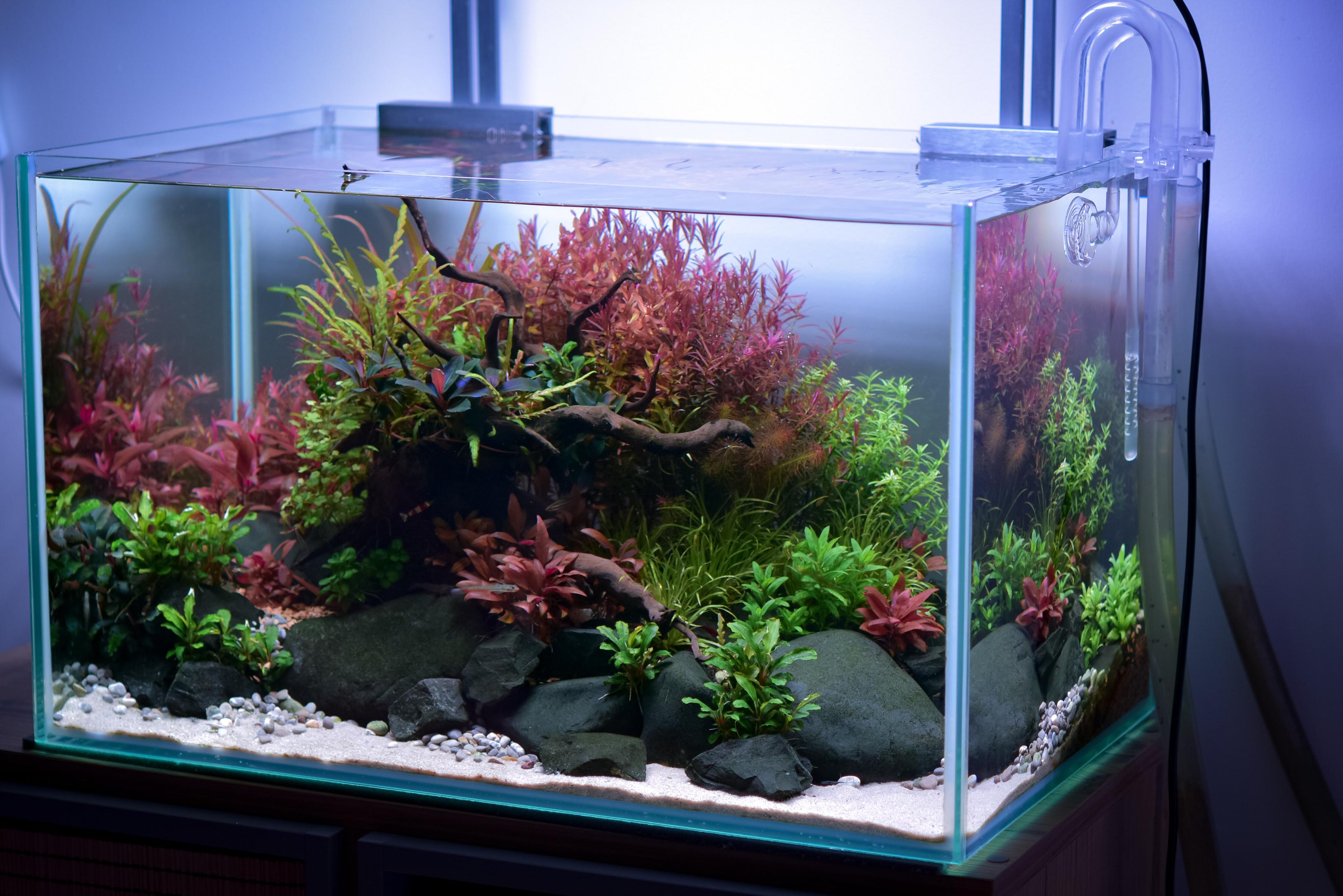
Green plants dominate many aquascapes, so introducing a red carpet plant can be an effective way to create contrast and draw attention to a particular part of the composition. Red plants can range from subtle bronze and burgundy tones to much stronger reds, depending on the species and growing conditions.
Colourful plants often have higher demands than some common green species. Stronger lighting can encourage compact growth and more intense coloration, while a consistent supply of CO2 and nutrients can support the faster growth associated with high-light aquariums. However, increasing the light alone is not the answer. If the plants cannot access enough carbon or nutrients to use that additional light, the aquarium can become more vulnerable to algae.
Think about red plants as accents rather than something that needs to fill the entire aquarium. A small group placed around a focal point can create a strong visual effect, especially when surrounded by different shades of green. The contrast between leaf shapes and colours can also make the aquascape appear deeper and more dynamic.
Remember that plant colour can change as the plant adapts to your aquarium. Give it time to establish before deciding whether it is performing well. With stable conditions and suitable care, colourful plants can become one of the most striking features of your aquascape.
Creating the Right Environment for Long-Term Growth
Once your plants are established, successful growth comes down to maintaining a balance between light, CO2, nutrients, substrate, filtration, and water quality. Light provides the energy plants need for photosynthesis, but too much light can create problems if the aquarium does not have enough CO₂ and nutrients to support the resulting demand. This imbalance can contribute to algae growth, particularly when plant growth is slow or inconsistent.
For healthy long-term growth, focus on three main areas:
Light-
Provide enough light for your chosen plants without unnecessarily increasing its intensity or duration. More light is not always better if the rest of the system cannot keep up.
CO2 and nutrients-
Plants need both carbon and nutrients to make effective use of available light. Keeping these factors consistent is particularly important in high-light aquariums.
Water quality-
Regular water changes and effective filtration help maintain stable conditions, remove accumulated waste, and keep nutrients available to growing plants.
The quality of your aquarium water is equally important. Regular water changes help remove accumulated waste and replenish minerals, while appropriate filtration supports biological stability. An external filter can provide efficient biological filtration while also helping to circulate water throughout the aquarium. Avoid excessive disturbance of the water surface, particularly in a CO2-injected tank, as strong surface agitation can increase gas exchange and cause CO2 to escape more quickly.
Finally, make sure your aquascaping setup and aquarium equipment are appropriate for the plants you have chosen. A reliable light, filtration system, CO2 setup like our Pro-SE Series paired with a Flux Bazooka diffuser, can make maintaining a planted aquarium much easier. Keep up with pruning, remove damaged leaves, clean the glass, check your equipment, and perform regular water changes. Most importantly, give your plants time. Healthy growth is rarely instant, but with stable conditions and consistent care, even a small collection of plants can develop into a lush and thriving underwater landscape.
Conclusion
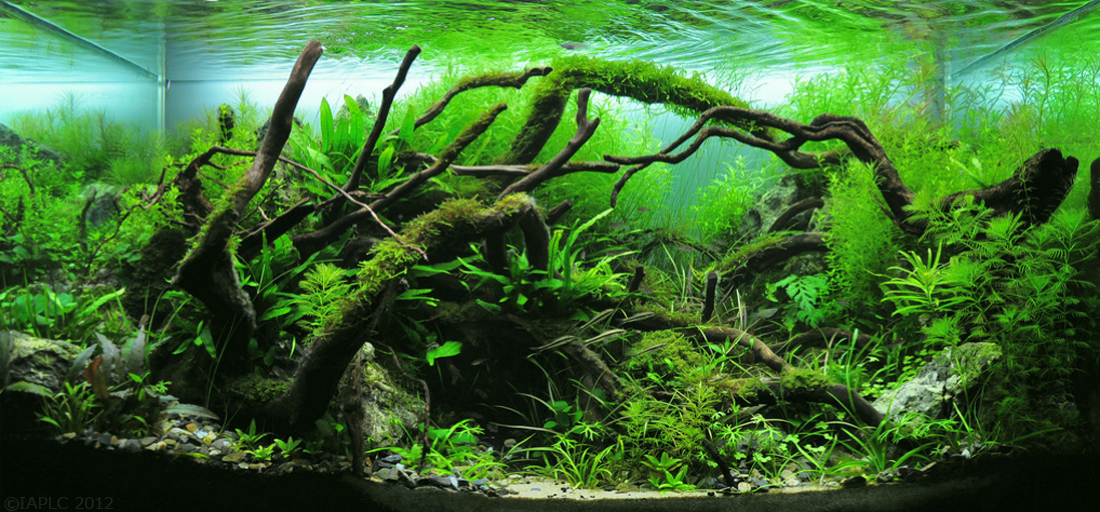
Growing aquarium plants successfully is all about creating the right environment and then giving your plants time to respond. There is no single trick that will make every species grow perfectly. Instead, healthy growth comes from balancing light, CO2, nutrients, water quality, circulation, and maintenance.
Choose plants that suit your aquarium, plant them carefully, observe how they respond, and make changes gradually when necessary. Whether your goal is a dense carpet, a colourful focal point, or a jungle-like aquascape, understanding the basic needs of your plants will help you create a healthier and more beautiful aquarium.
With patience and consistent care, the small plants you carefully place into the substrate today can eventually become the lush underwater landscape you imagined when you first started your aquascape.